Mark Twain, the pen name of Samuel Langhorne Clemens, was an American writer, humourist and lecturer whose work made him one of the defining literary voices of the nineteenth-century United States.
Drawing on his youth in Missouri, experience as a Mississippi riverboat pilot and years of journalism and travel, he wrote fiction and nonfiction that combined vernacular speech, satire and social criticism. Beyond his literary career, Twain became one of the best-known public critics of American imperial expansion after the Spanish-American War.
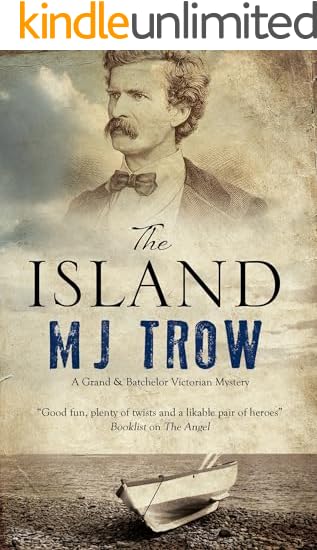
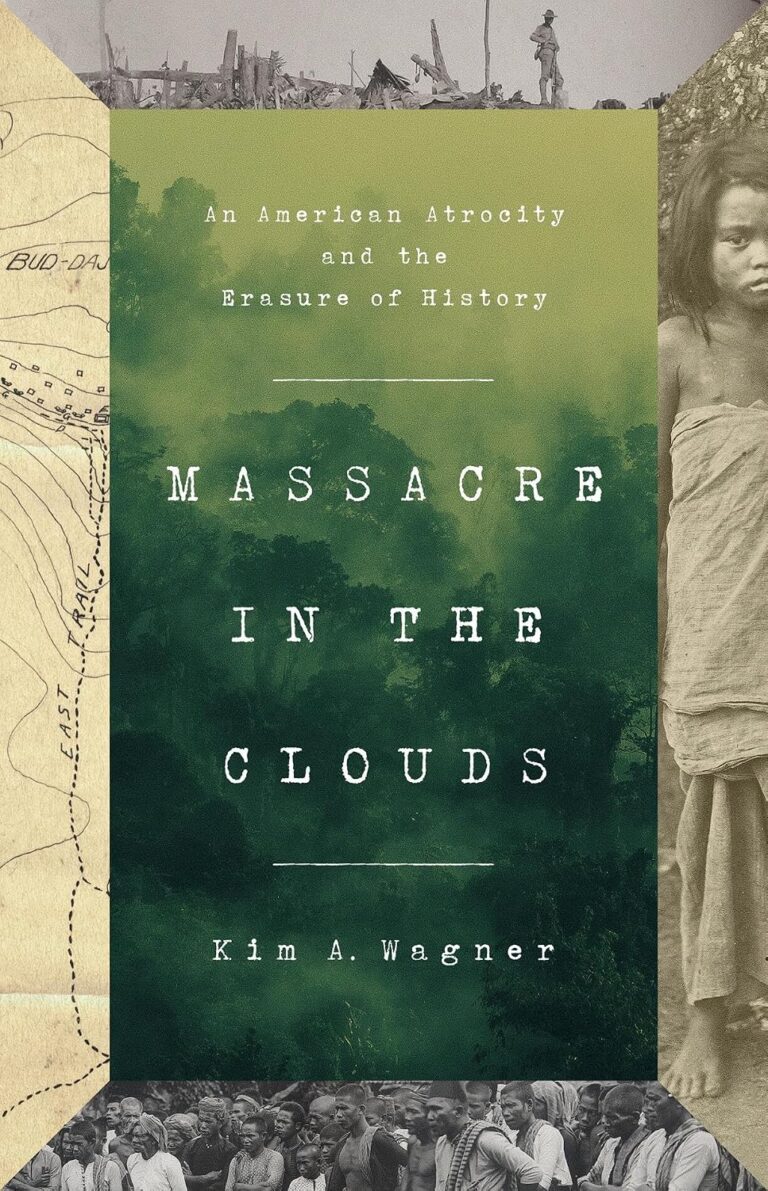
Kim A. Wagner’s Massacre in the Clouds then traces the controversy that followed in the United States. President Theodore Roosevelt praised the action, while critics including Mark Twain and W. E. B. Du Bois challenged the language of victory used to describe it. Wagner shows how the massacre was gradually pushed to the margins of public memory and places it within the wider history of American colonial rule, counterinsurgency and the transfer of imperial practices from European empires to the United States. M. J. Trow’s The Island gives Mark Twain, under his birth name Samuel Clemens, a cameo as a member of Matthew Grand’s extended family during the 1873 Maine wedding mystery.