
Historical person
W. E. B. Du Bois
1868–1963
W. E. B. Du Bois was an American sociologist, historian, editor and civil-rights activist whose career spanned Reconstruction’s aftermath, the rise of Jim Crow and the global anti-colonial movement. Born in Massachusetts in 1868, he studied at Fisk and Harvard and became the first African American to receive a Harvard doctorate. His pioneering sociological research, including The Philadelphia Negro, used empirical methods to challenge racist explanations of inequality and to analyse how discrimination, labour and urban conditions shaped Black life.
Du Bois helped found the NAACP in 1909 and for decades edited its magazine The Crisis, using scholarship and journalism to attack segregation, lynching and disfranchisement. The Souls of Black Folk introduced his influential idea of ‘double consciousness’ and argued against accommodation to racial hierarchy. He also became a major advocate of Pan-Africanism and increasingly embraced socialist and anti-colonial politics. Subjected to federal scrutiny during the Cold War, Du Bois eventually joined the Communist Party and moved to Ghana, where he died in 1963 on the eve of the March on Washington.
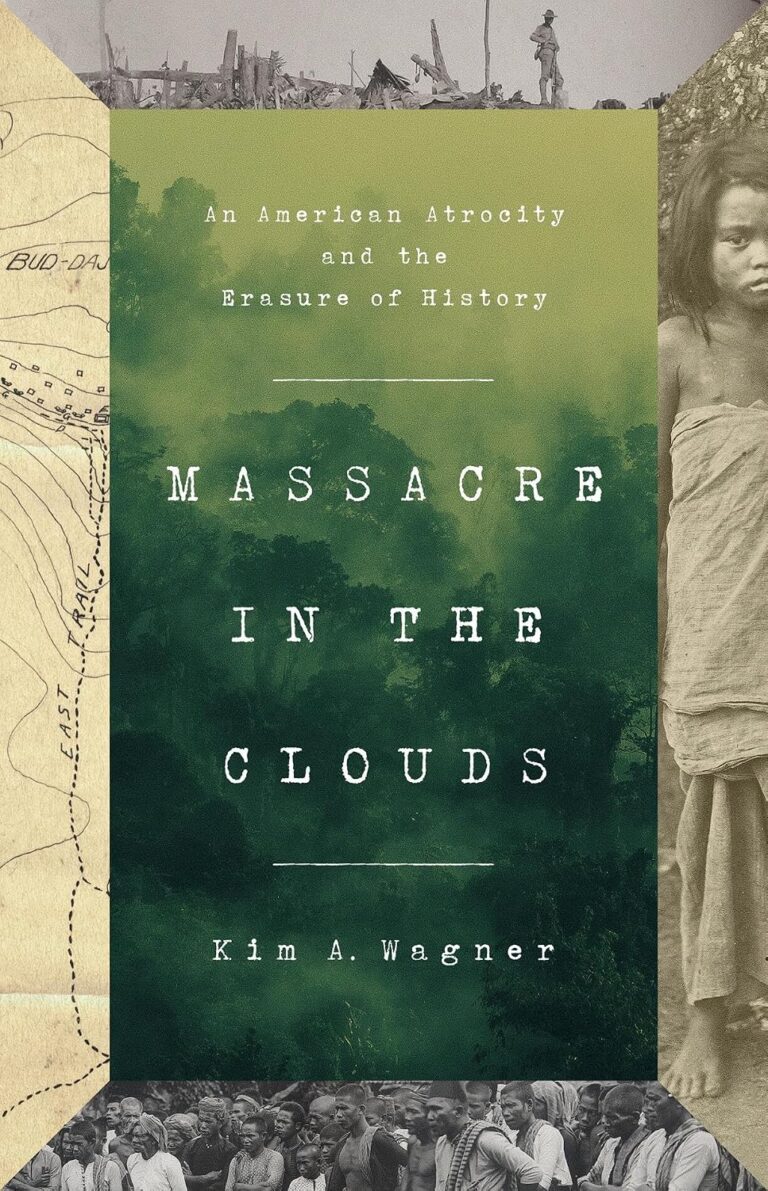
Kim A. Wagner’s Massacre in the Clouds then traces the controversy that followed in the United States. President Theodore Roosevelt praised the action, while critics including Mark Twain and W. E. B. Du Bois challenged the language of victory used to describe it. Wagner shows how the massacre was gradually pushed to the margins of public memory and places it within the wider history of American colonial rule, counterinsurgency and the transfer of imperial practices from European empires to the United States.
Non Fiction
Non Fiction featuring W. E. B. Du Bois (1 book)
Biographies, histories and other non-fiction are listed separately from the historical novels above.