Traditional chronology: c. 19th–18th century BCE
Sarah is a matriarch in Genesis, the wife of Abraham and mother of Isaac. She travels with Abraham from Mesopotamia toward Canaan and Egypt and shares in the covenant narrative in which a son is promised to the elderly couple.
Before Isaac’s birth Sarah gives her Egyptian servant Hagar to Abraham, leading to the birth of Ishmael and later conflict within the household. Genesis records Sarah’s death and burial in the cave of Machpelah, and Jewish, Christian and Islamic traditions all remember her as a foundational ancestral figure.
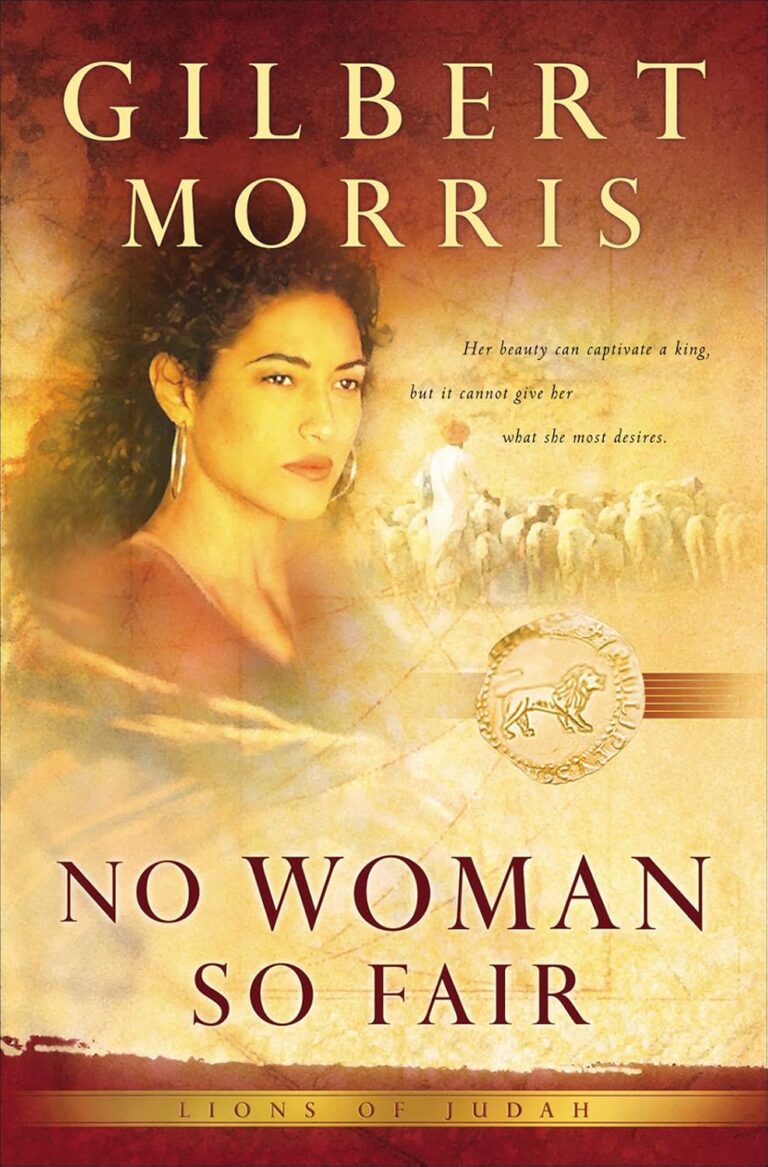
Gilbert Morris’s No Woman so Fair retells Sarah’s life as Sarai beside Abram, concentrating on migration, childlessness and the strain created by a divine promise of descendants that seems impossible to fulfil. Angela Hunt’s Rescued Heart gives Sarah a more inward viewpoint, beginning with her marriage to Abram and following the move from Mesopotamia, the long wait for a child and the household decisions that produce conflict around Hagar and Ishmael. Both novels expand the sparse Genesis narrative through invented dialogue and motive, but they keep Sarah’s central biblical tension intact: faith in a covenant repeatedly tested by age, fear and attempts to secure the promised future by human means.