Traditional chronology: c. 20th–18th century BCE
Abraham is the central patriarch of the Genesis narratives and a foundational figure in Jewish, Christian and Islamic tradition. In Genesis he leaves Mesopotamia for Canaan in response to a divine call and receives a covenant promising descendants, land and blessing.
Genesis also presents Abraham as the husband of Sarah, the father of Isaac and Ishmael, and the head of a pastoral household moving through Canaan and neighbouring regions. The narratives combine family history, covenant and origin tradition; attempts to place Abraham in a precise historical period remain conjectural because no independent contemporary evidence securely dates the patriarchal stories.
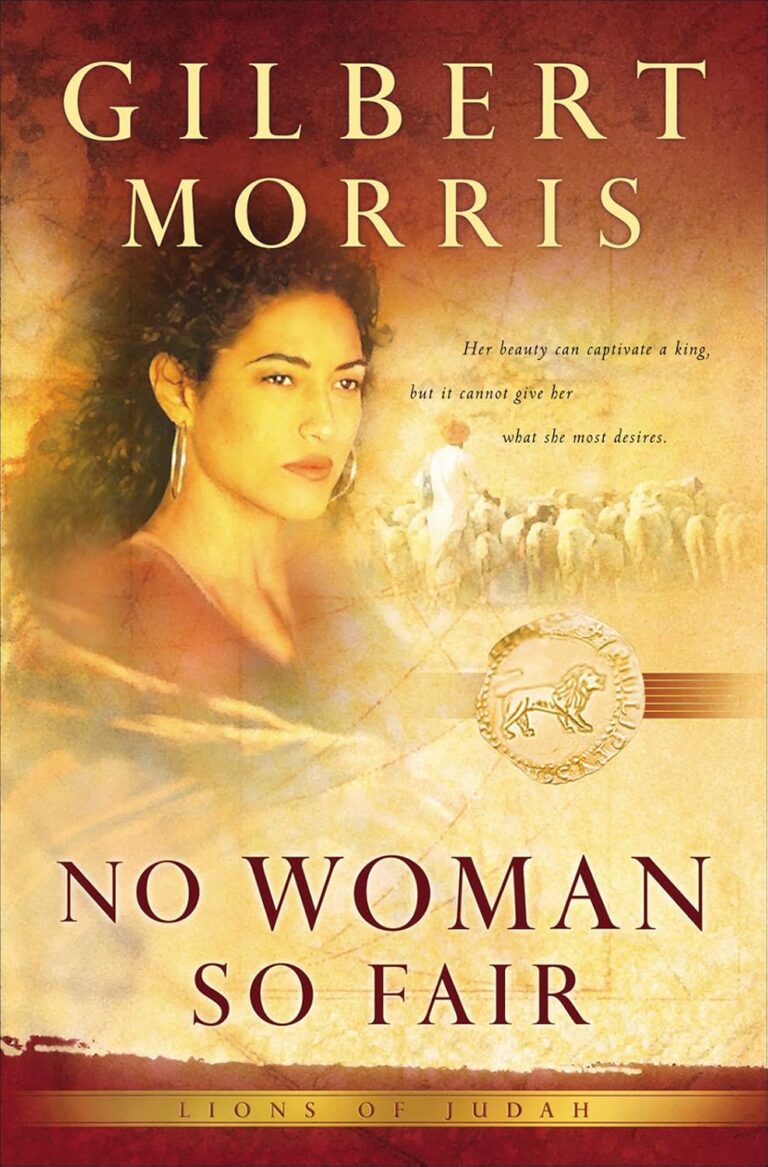
Gilbert Morris’s No Woman so Fair retells the story of Abram and Sarai as they respond to God’s call, migrate from their old home and struggle with the promise that they will have a child despite years of childlessness. Angela Hunt’s Rescued Heart also centres Abraham, initially Abram, but tells the story primarily through Sarai: his decision to follow Adonai carries their household from Mesopotamia into an uncertain future, while his attempts to secure the promised heir shape the marriage, the birth of Ishmael and the eventual fulfilment of the covenant.