Historical person
Owain Glyndŵr
c. 1354–c. 1416
Owain Glyndŵr was a Welsh landholder, soldier and claimant to the title Prince of Wales who led the last major native Welsh revolt against English rule. Descended from the princely houses of Powys and Deheubarth, he had served in English military campaigns before a dispute with the neighbouring lord Reginald Grey and the failure of royal justice helped precipitate rebellion in 1400. Glyndŵr’s supporters captured towns and castles, defeated royal forces and established control over much of Wales.
Glyndŵr developed a programme extending beyond military resistance. He summoned parliaments, sought alliances with France and Scotland, proposed an independent Welsh church and planned Welsh universities. The revolt weakened after 1406, but Glyndŵr was never captured and the circumstances of his death remain uncertain. His career became a central symbol of Welsh political identity, while chronicles, poetry and later literature produced sharply different images of him as prince, patriot, magician and rebel.
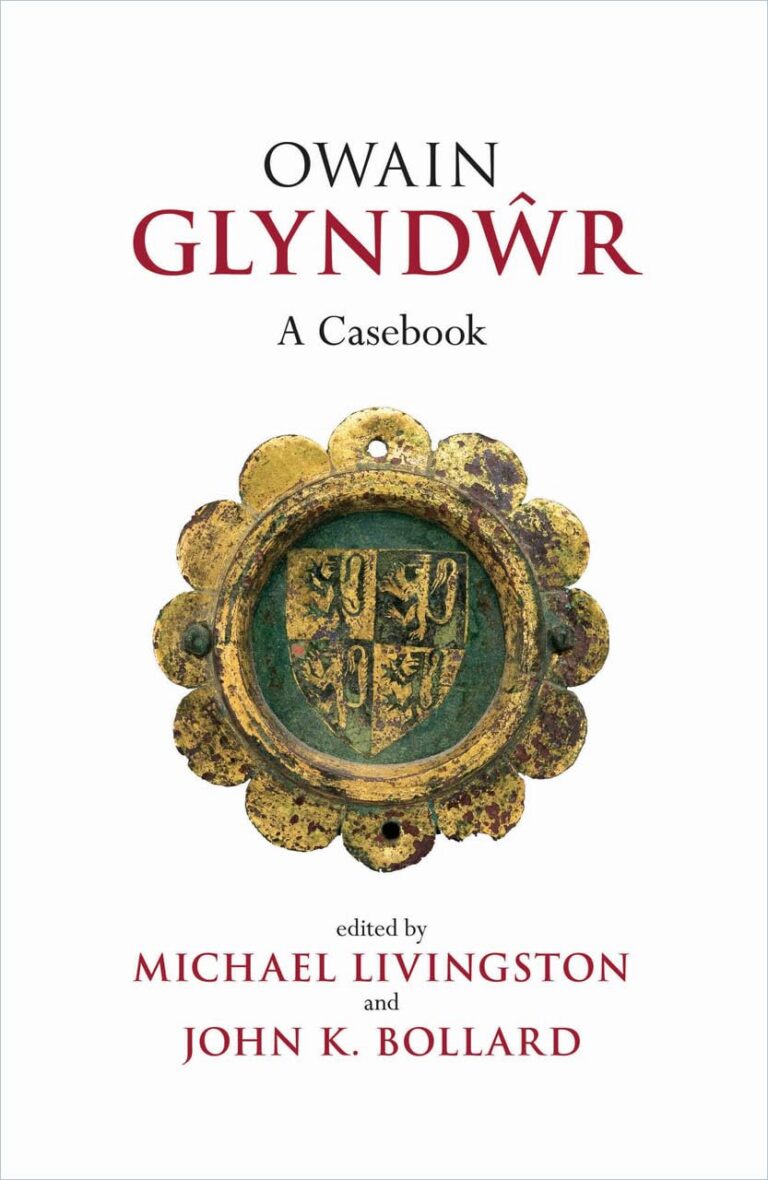
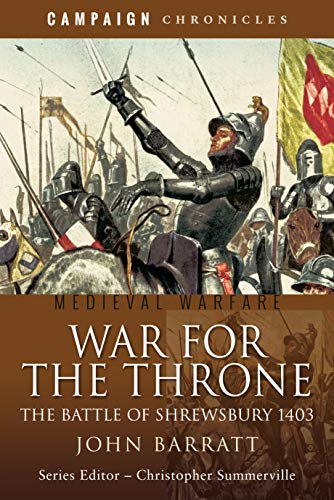
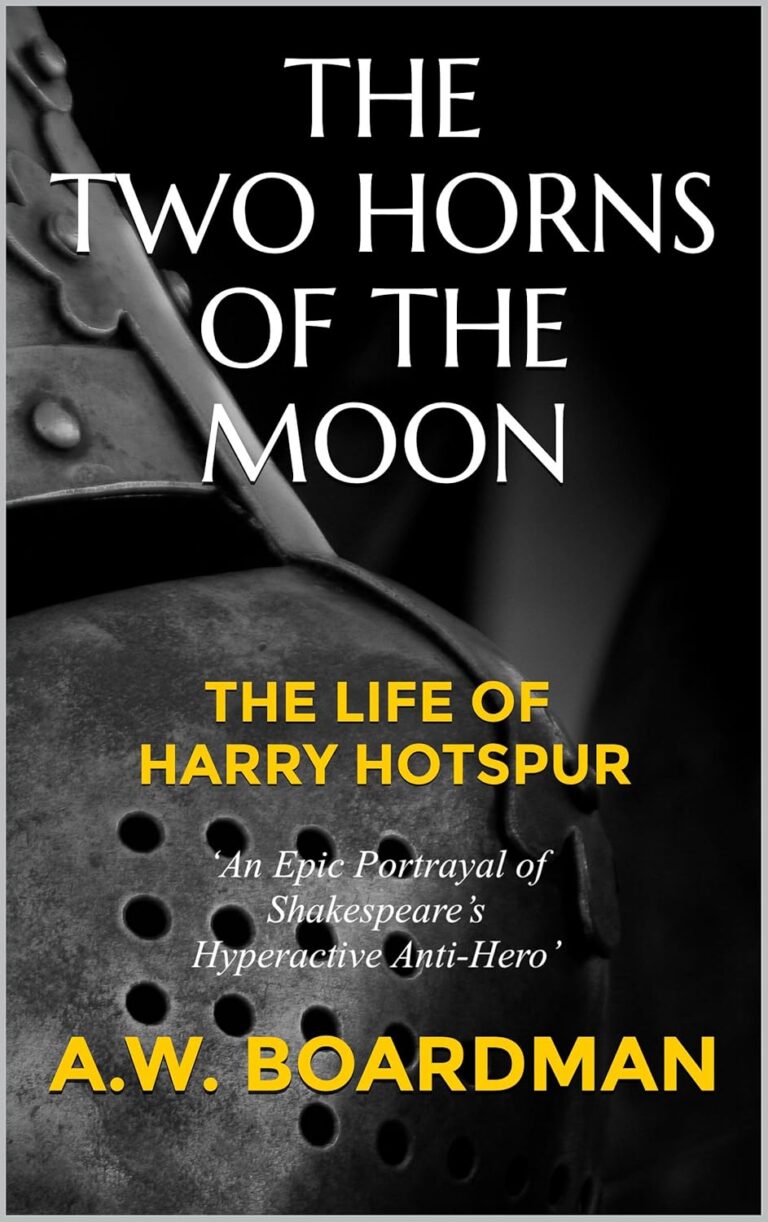
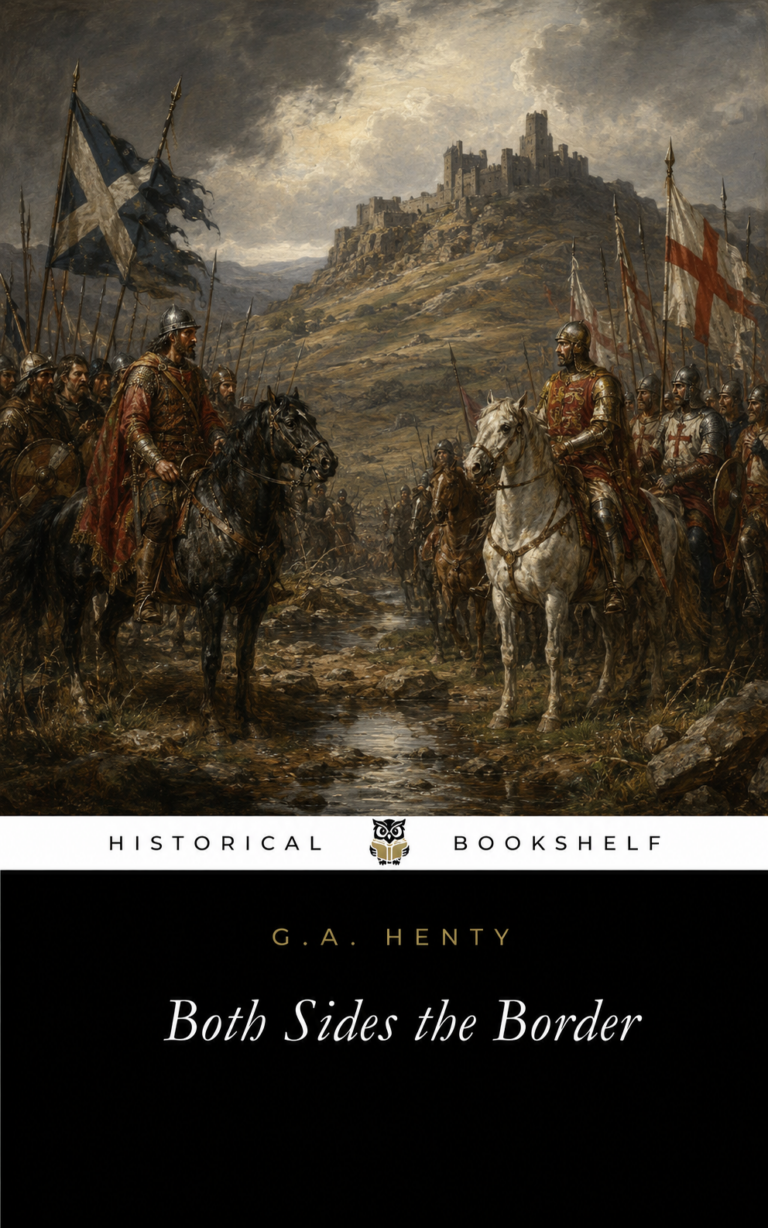
Michael Livingston and John K. Bollard’s Owain Glyndŵr assembles medieval and later evidence for the Welsh prince and the rebellion he led from 1400, making the historical record itself the subject of study. G. A. Henty’s Both Sides the Border places Glyndŵr among the real leaders whose campaigns draw fictional border families into war. Shakespeare’s Henry IV, Part 1 presents him as the formidable Welsh ally of the Percys in their challenge to Henry IV, mixing political rebellion with the play’s deliberately theatrical image of his supernatural confidence. A. W. Boardman’s The Two Horns of the Moon returns to the uprising through historical fiction, while Richard Woodman’s War for the Throne sets Glyndŵr’s campaigns within the wider struggle over Henry IV’s insecure kingship.
Standalone books
Standalone books featuring Owain Glyndŵr (3 books)
Non Fiction
Non Fiction featuring Owain Glyndŵr (2 books)
Biographies, histories and other non-fiction are listed separately from the historical novels above.