c. 1026–1066
Tostig Godwinson was a son of Earl Godwin of Wessex and the brother of Harold Godwinson. He became earl of Northumbria in 1055, but his government provoked opposition among northern nobles and landholders. A revolt in 1065 forced him into exile, and King Edward the Confessor and Harold accepted his replacement by Morcar rather than risk civil war.
Determined to recover power, Tostig sought allies abroad and eventually joined Harald Hardrada’s invasion of England in 1066. Their army defeated the northern earls at Fulford but was surprised by Harold Godwinson at Stamford Bridge on 25 September. Tostig and Harald were both killed. His career links family rivalry, regional politics and the succession crisis that preceded the Norman victory at Hastings.
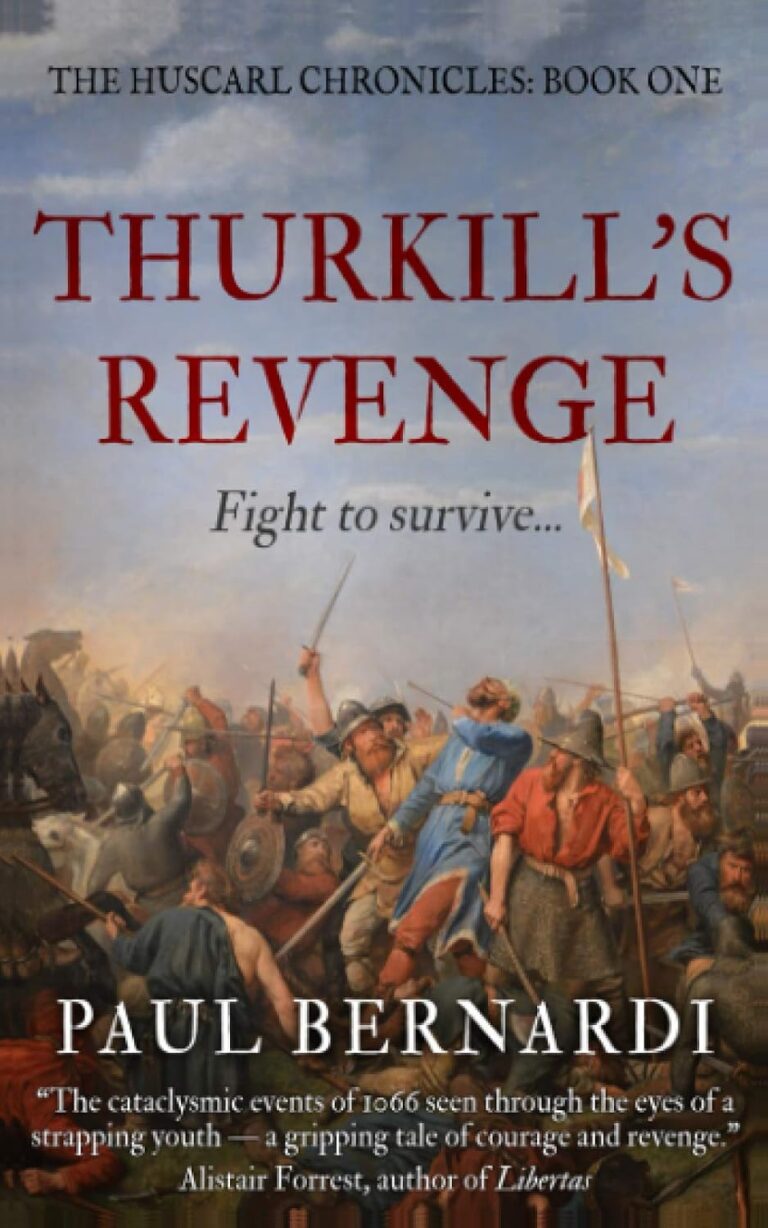
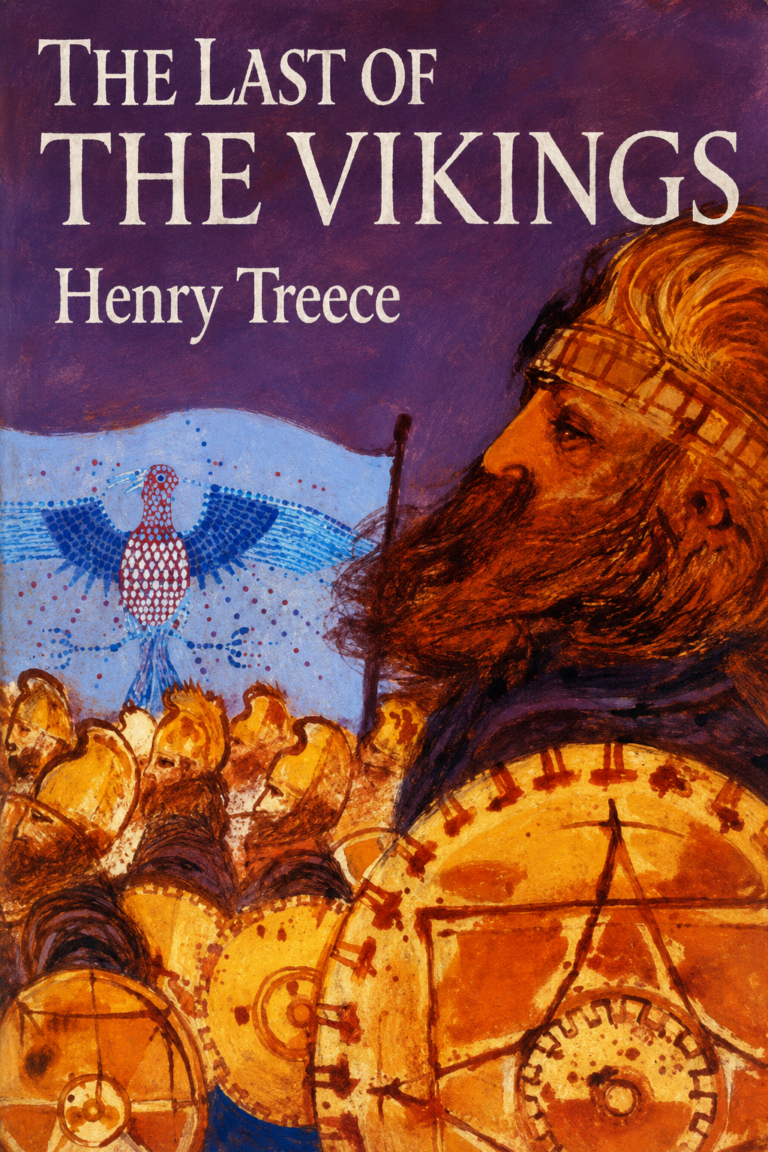
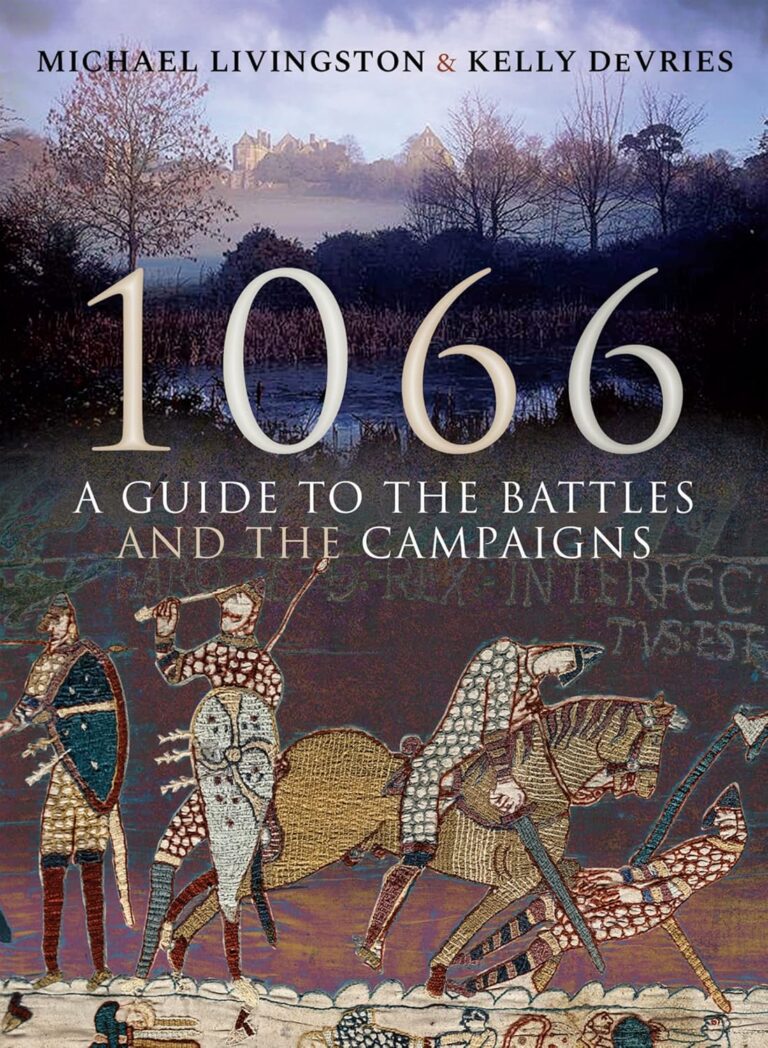
In Michael Livingston’s 1066, beginning with the disputed succession after Edward the Confessor, the book follows Harold Godwinson’s rapid campaign against Tostig Godwinson and Harald Hardrada in the north before turning to William of Normandy’s landing and the Battle of Hastings on 14 October. In Henry Treece’s The Story of the Vikings, in 1066, the exiled English earl Tostig Godwinson offers him a new prize: the throne held by Tostig’s brother Harold. In Paul Bernardi’s Thurkill’s Revenge, as Tostig Godwinson and Harald Hardrada threaten from the north and William of Normandy prepares his invasion across the Channel, Thurkill wants only the chance to prove himself in the shield wall.