Thomas Aquinas was a Dominican friar, theologian and philosopher whose writings became foundational to Catholic scholastic thought. He served in the intellectual world of the papal court and composed liturgical texts for the feast of Corpus Christi at Urban IV’s request. The Saracen portrays him as Fra Tomasso d’Aquino during the debate over a Christian–Mongol alliance.
Aquinas taught in Paris and Italy and produced a vast body of theological and philosophical writing, most famously the Summa contra Gentiles and the unfinished Summa Theologiae. Drawing extensively on Aristotle while engaging Islamic and Jewish philosophers, he developed influential accounts of natural law, ethics, metaphysics and the relation between reason and revelation. Canonised in 1323, he became one of the central authorities of later Catholic theology.
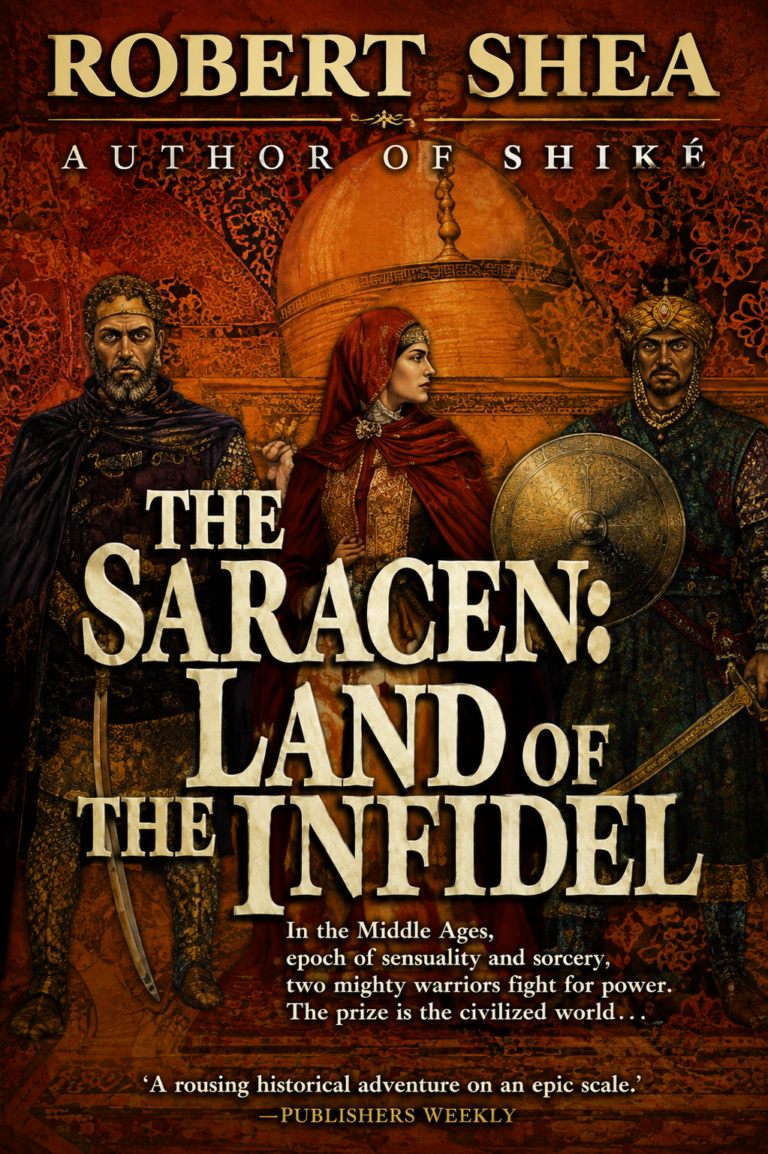
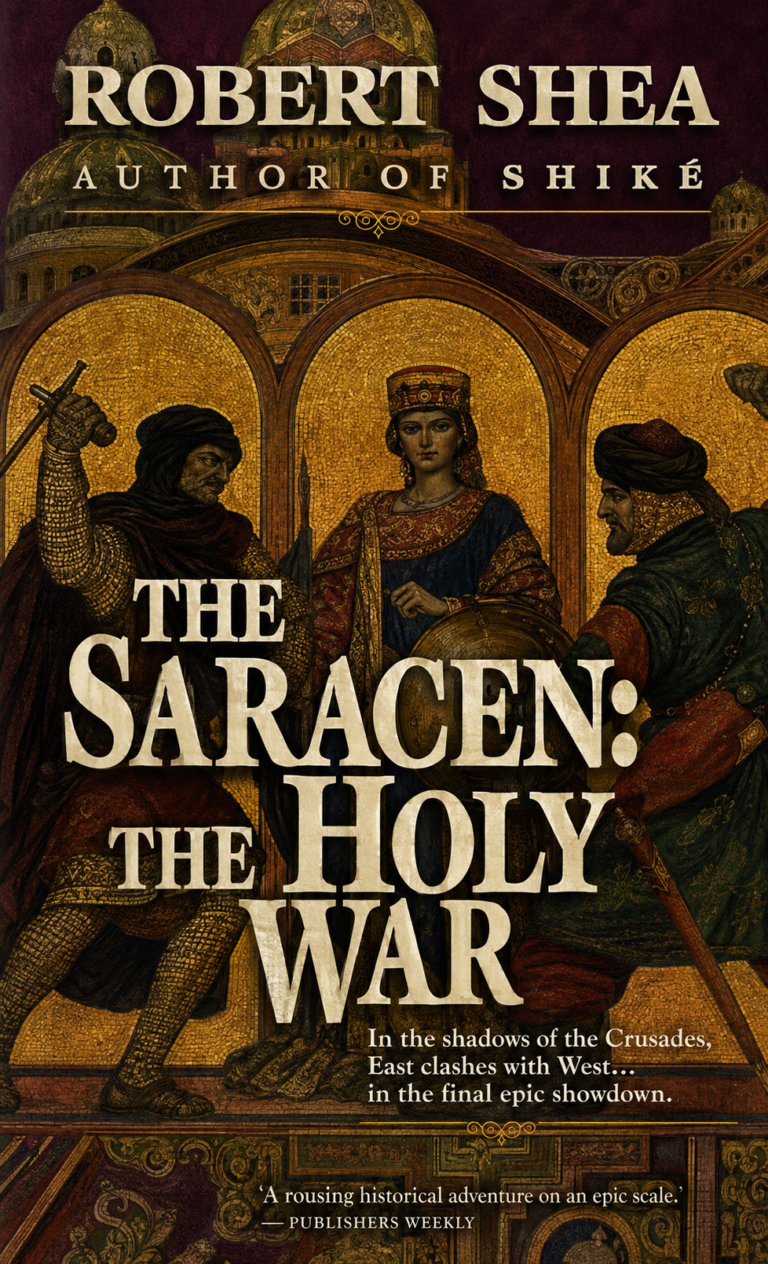
In Robert Shea’s The Saracen Holy War, Baibars, Louis IX, Charles of Anjou, Thomas Aquinas and Hulagu Khan remain part of the political world surrounding the fictional conflict. In Robert Shea’s The Saracen Land of the Infidel, Thomas Aquinas, Louis IX, Hulagu Khan and the troubadour Sordello stand beside fictional conspirators in a story that treats Christian, Muslim and Mongol ambitions from several perspectives.