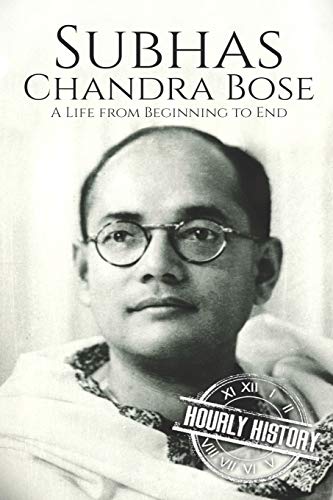
Subhas Chandra Bose was an Indian nationalist leader who rejected gradual constitutional methods and sought armed assistance against British rule. After breaking with the Indian National Congress leadership, he organised the Indian National Army with Japanese support during the Second World War and became a contested symbol of militant anticolonial nationalism.
Bose twice became president of the Indian National Congress but resigned after conflict with the organisation’s dominant leadership and formed the Forward Bloc. Escaping British surveillance in 1941, he sought Axis assistance first in Germany and later in Japanese-controlled Asia. He reorganised the Indian National Army and headed the Provisional Government of Free India before dying in an air crash in August 1945, according to the evidence accepted by most historians.
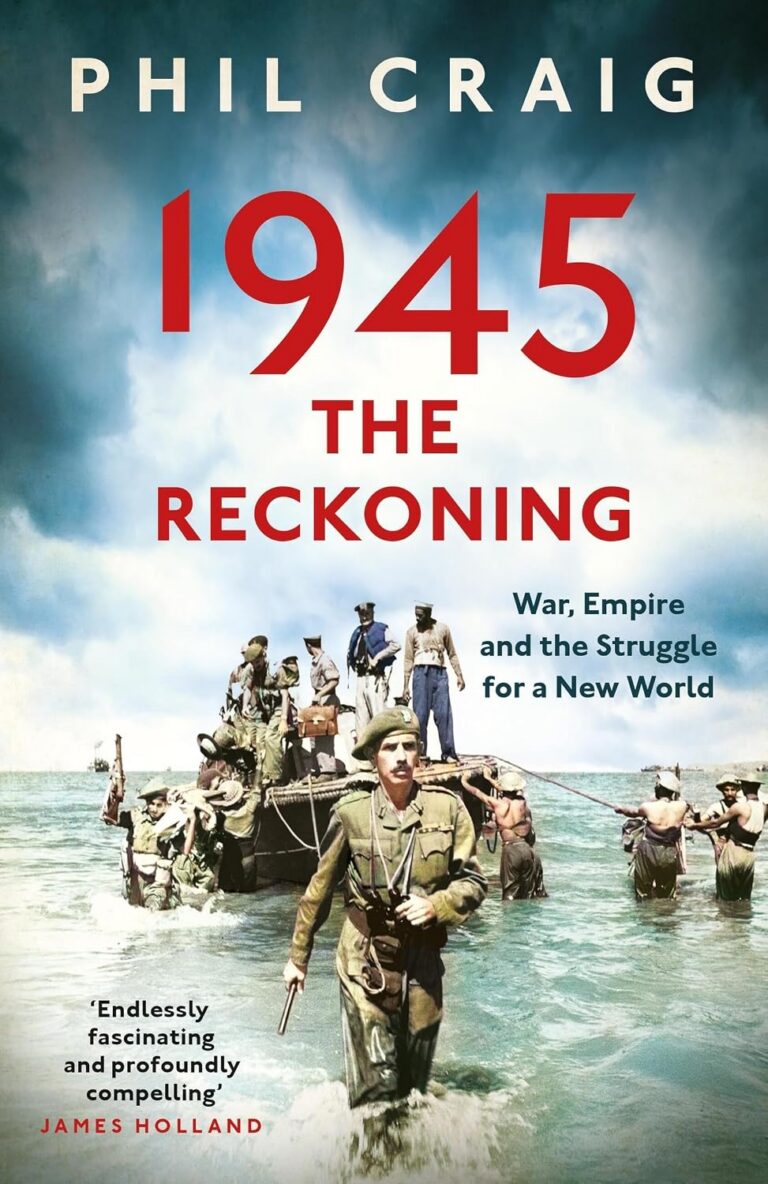
In Phil Craig’s 1945, in India, loyalty to the Raj competed with support for Subhas Chandra Bose and the Indian National Army; in Borneo, Australian special operations became entangled with imperial priorities; and across Southeast Asia the surrender of Japan created a sudden vacuum of military and political power. In Nitish K. Sengupta’s Bengal Divided, it then compares the trajectories of West Bengal and East Pakistan, including the Bengali language movement, military rule and the growth of a distinct Bangladeshi nationalism that culminated in independence in 1971. Chittaranjan Das, Subhas Chandra Bose, Kazi Nazrul Islam, A. K. Fazlul Huq, H. S. Suhrawardy, Shyama Prasad Mukherjee and Sheikh Mujibur Rahman are treated as political actors within the broader breakdown of a common Bengali nation. Historical accounts that place Subhas Chandra Bose in context include Hourly History’s Subhas Chandra Bose and Hourly History’s The Partition of India. Abir Mukherjee’s Smoke and Ashes places Subhas Chandra Bose among the nationalist organisers challenging British authority in Calcutta in 1921, tying Sam Wyndham’s investigation to the city’s campaigns of protest and boycott.