George I was Elector of Hanover and became King of Great Britain and Ireland in 1714 under the Protestant succession established by Parliament. His accession displaced the senior Catholic Stuart line and founded the Hanoverian dynasty in Britain.
The reign faced Jacobite rebellion, financial crisis and continuing European war. George’s dependence on ministers and frequent attention to Hanover contributed to the development of cabinet government, though he remained an active dynastic and diplomatic ruler.
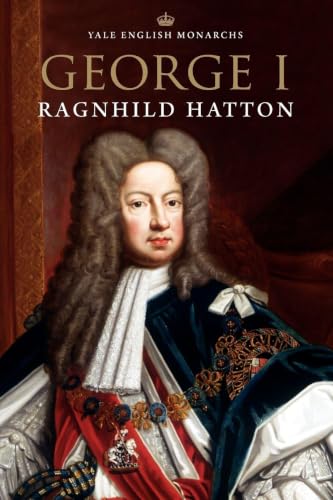
G. P. R. James’ Henry Smeaton: A Jacobite Story of the Reign of George I places the new Hanoverian king at the centre of the succession dispute that produces the Jacobite Rising of 1715. Laura Purcell’s Mistress of the Court enters the royal household from another angle, showing George’s accession intensifying the already bitter conflict between the king and his son, the future George II. John Miller’s Early Modern Britain, 1450–1750 sets the Hanoverian succession within the longer constitutional and religious transformation of Britain. Ragnhild Hatton’s George I challenges the familiar caricature of an indifferent foreign monarch, examining his diplomacy, administration and family politics. Tim Blanning’s George I (Penguin Monarchs) concentrates on the Protestant succession, Jacobitism and the evolving relationship between monarchy, ministers and Parliament.