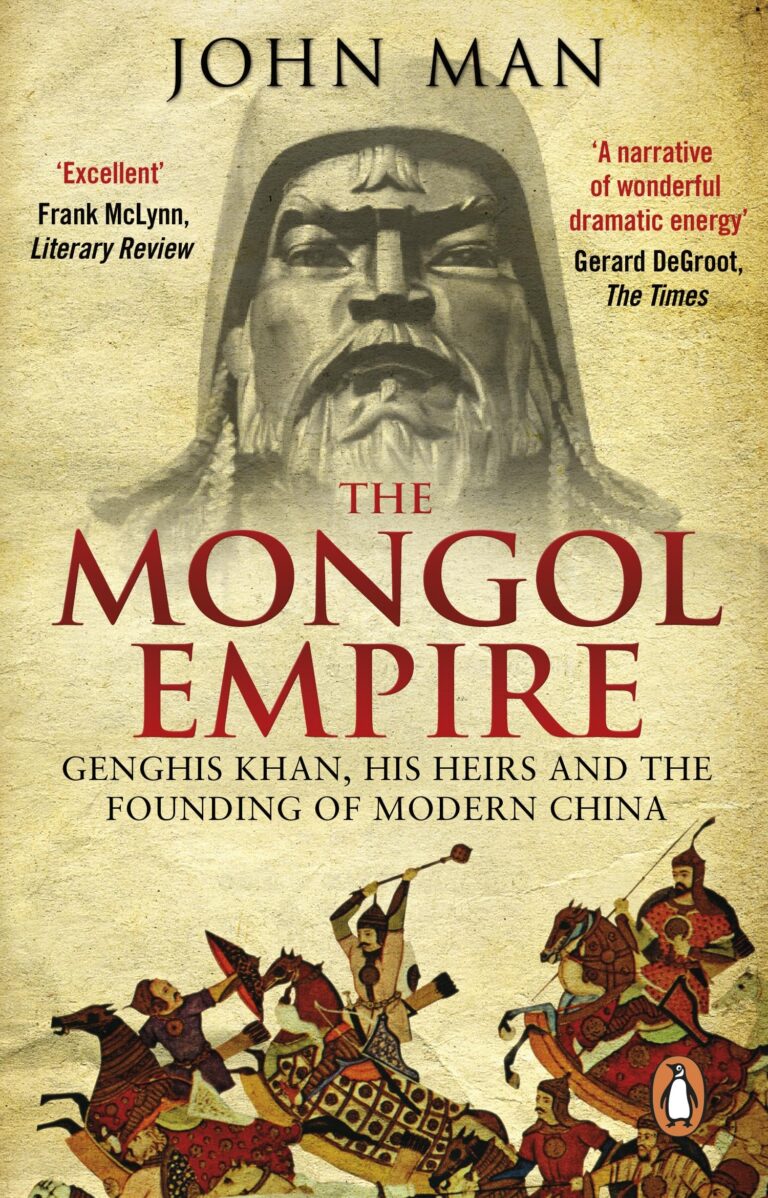
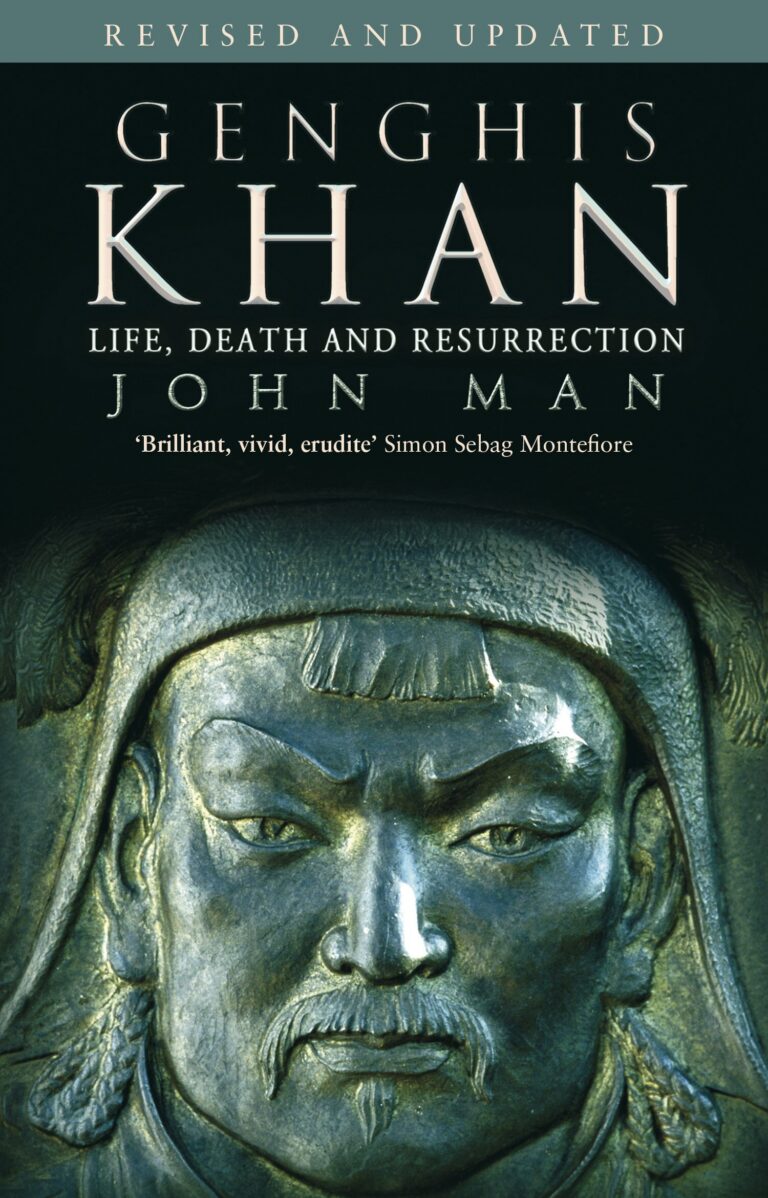
Genghis Khan, born Temüjin, united competing Mongol groups and was proclaimed universal ruler in 1206. Through disciplined organisation, diplomacy, terror and highly mobile warfare, his armies conquered northern China, Central Asia and much of the Islamic east. He created institutions that distributed command across loyal followers and family members, while his campaigns caused immense destruction and population loss.
Genghis Khan reorganised conquered peoples into a military-political system based on decimal units, personal loyalty and promotion that could cut across older tribal divisions. His campaigns destroyed or absorbed powerful states including the Khwarazmian Empire and opened routes across Eurasia that his successors expanded further. He died in 1227 during the campaign against the Western Xia; the location of his burial remains unknown.
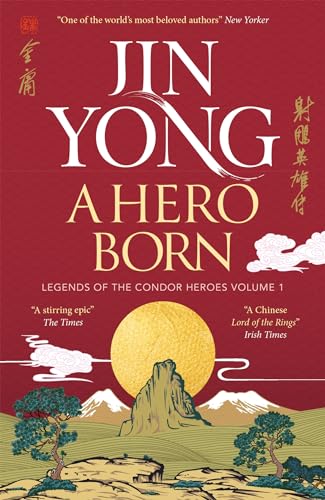
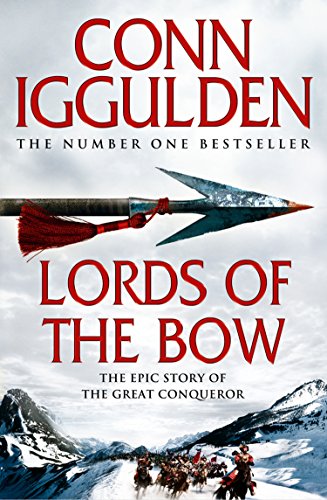
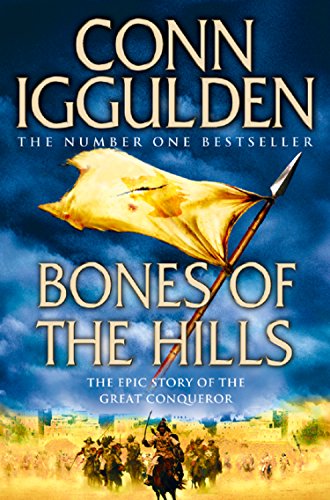
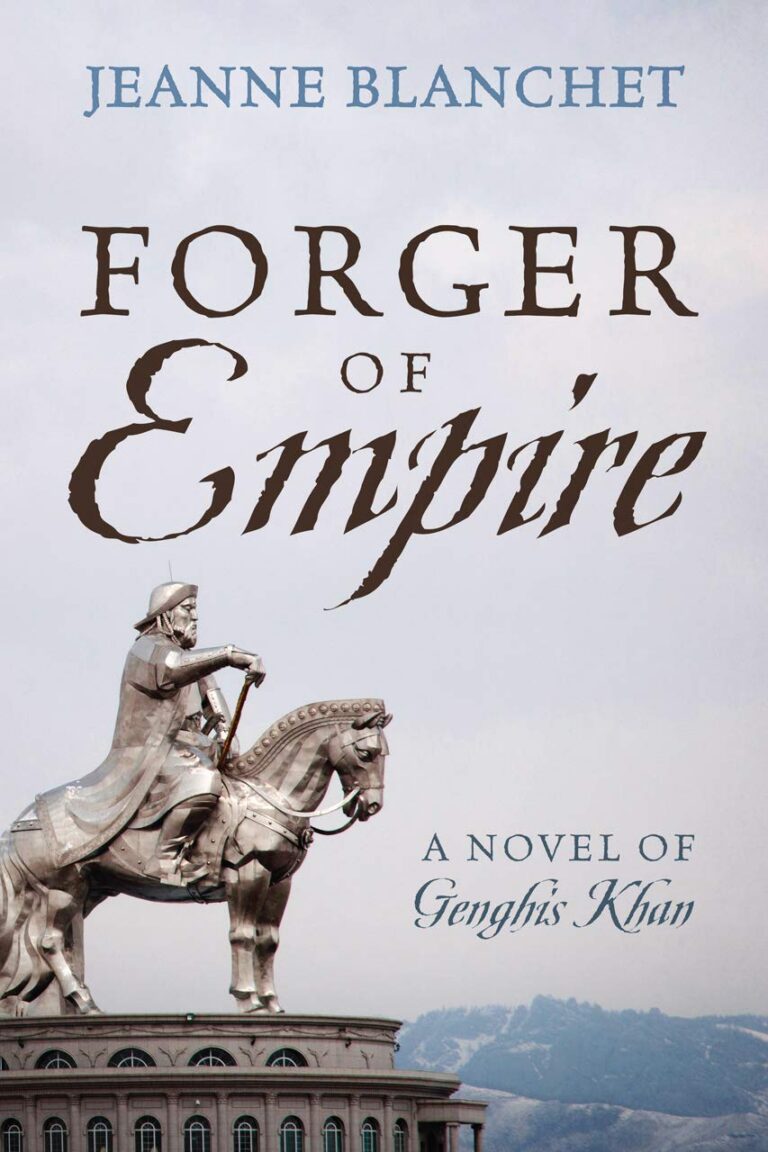
Jin Yong’s A Hero Born places the young Guo Jing among Temüjin’s followers, so the future Genghis Khan is seen first as a steppe leader building power through loyalty, family and war. A Heart Divided returns to that relationship after conquest has transformed Temüjin into an imperial ruler and forces Guo Jing to choose between personal obligations and resistance to Mongol expansion into China. Conn Iggulden’s Lords of the Bow follows Genghis as he turns a confederation of tribes into an army capable of breaking the fortified states of northern China. Bones of the Hills moves west into the Khwarazmian campaign and the increasingly urgent succession problem among his sons. Jeanne Blanchet’s Forger of Empire takes the biographical route, beginning with Temüjin’s abandoned childhood and following the alliances, rivalries and discipline through which he creates the Mongol state.