David II was king of Scots from 1329 until 1371 and the only surviving son of Robert the Bruce. Much of his childhood was spent in France because of renewed English-backed attempts to place Edward Balliol on the Scottish throne.
Captured at the Battle of Neville’s Cross in 1346, David remained a prisoner in England for eleven years. His reign was dominated by war, ransom negotiations and difficult relations with powerful nobles, and he died without children.
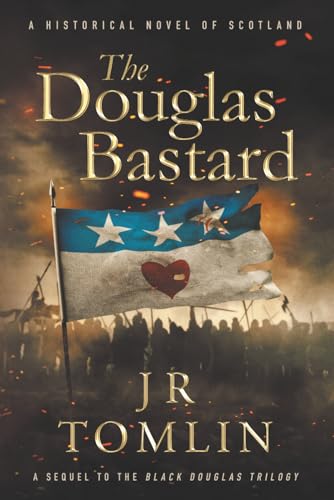
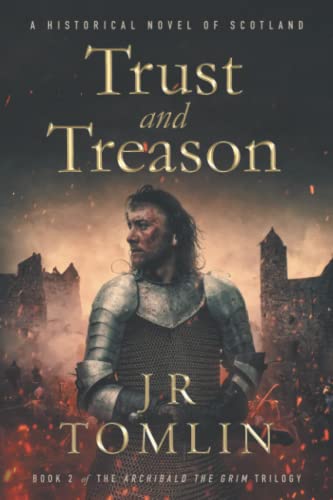
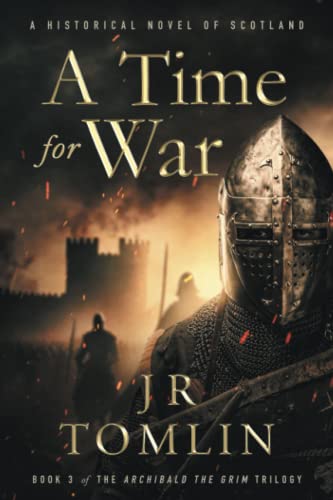
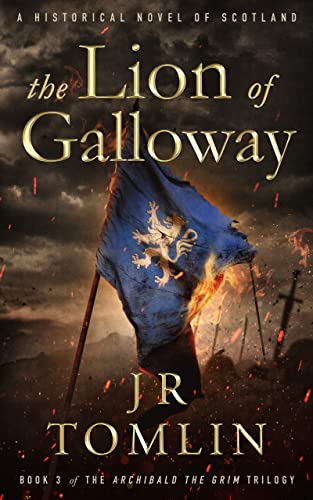
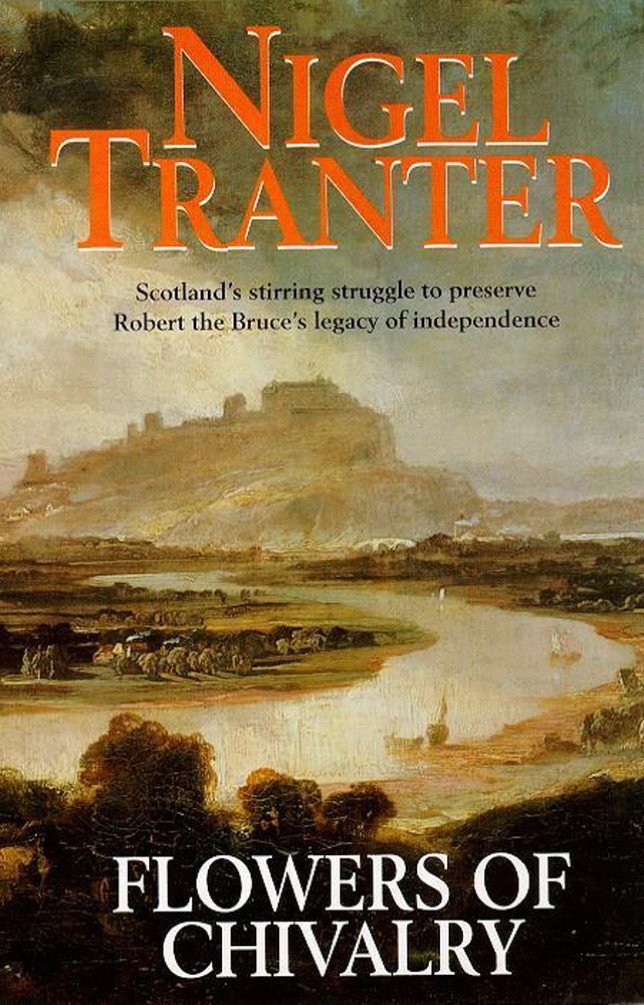
In Bernard Cornwell’s Vagabond, after Crécy, Thomas of Hookton returns to England while continuing his search for the Holy Grail and the truth about his family. He is drawn into the Scottish invasion of 1346 and fights at the Battle of Neville’s Cross, where the English defeat and capture King David II of Scotland. In J.R. Tomlin’s A Time for War, Archibald Douglas joins his cousin in an operation that could restore lost territory but risks drawing the full weight of English power back across the border. Edward’s return transforms a local offensive into another invasion of Scotland. Outnumbered forces must abandon conventional battle, protect civilians and deny supplies to the advancing army, while Archibald learns that preserving the kingdom may require retreats and sacrifices that resemble defeat. Further fictional perspectives on David II of Scotland can be found in Nigel Tranter’s Flowers of Chivalry, J.R. Tomlin’s The Douglas Bastard, J.R. Tomlin’s Trust and Treason, and J.R. Tomlin’s The Lion of Galloway.