Books
8 Best Novels About Slavery in the Antebellum Mississippi Valley, 1830–1861
Bestselling authors first, then star rating.

As an Amazon Associate, I earn from qualifying purchases.
Purchases made through qualifying Amazon links may earn Historical Bookshelf a small commission at no extra cost to you. Read the Amazon affiliate disclosure.
Phase
1830–1861
During the decades before the American Civil War, slavery shaped households, agriculture, transport and commerce throughout the Mississippi Valley. Missouri entered the Union as a slave state in 1821, while the expansion of cotton cultivation farther south intensified the forced movement and sale of enslaved people through river ports and overland trading routes.
State laws restricted movement, property, education and assembly, and slave patrols and local courts enforced racial control. At the same time, the river created routes of communication and escape. Enslaved boat workers, domestic servants, hired labourers and plantation workers experienced different conditions, but all remained vulnerable to sale, family separation and violence.
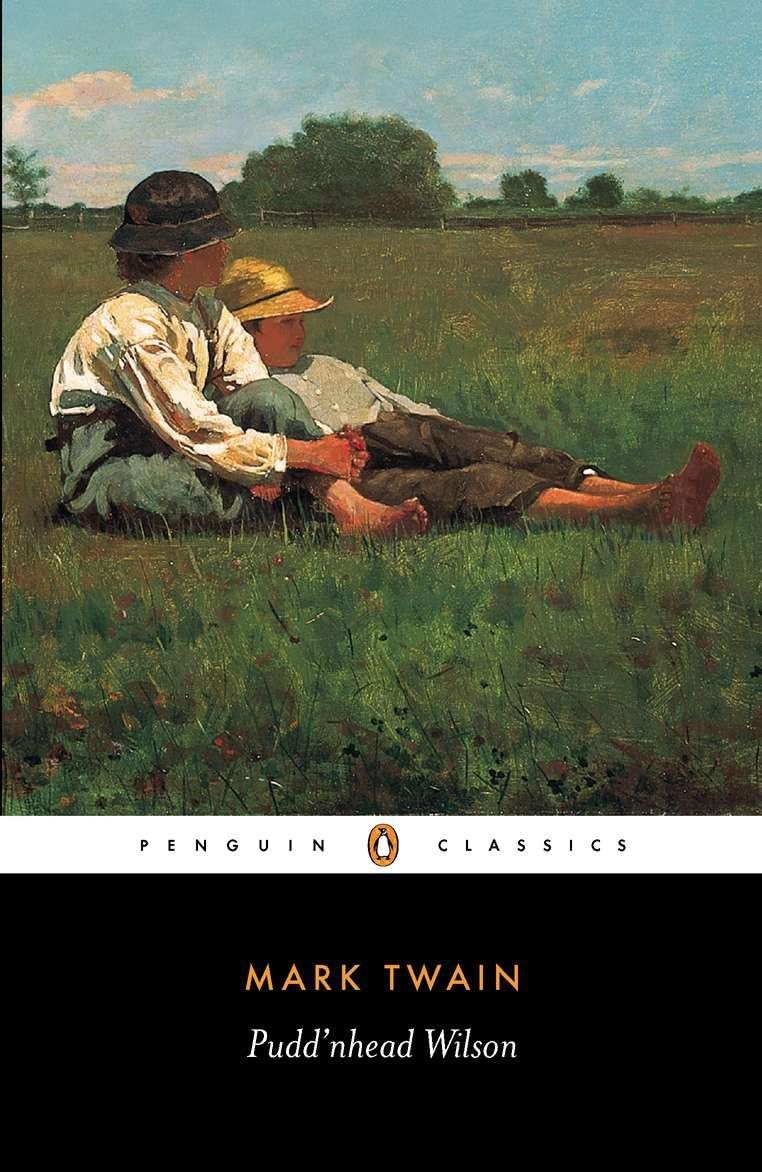
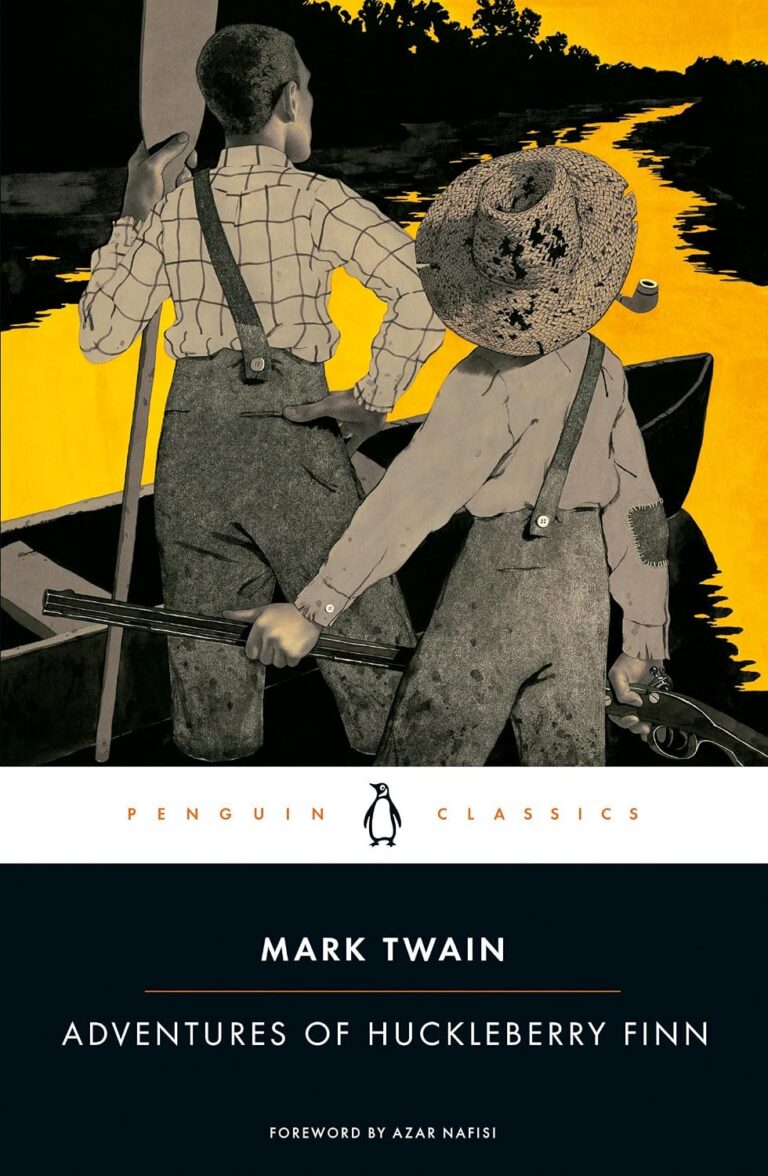
For historical fiction, this context illuminates the legal fictions and moral choices at the centre of Mark Twain’s work. Adventures of Huckleberry Finn follows Jim’s flight from enslavement down the river, while Pudd’nhead Wilson uses exchanged infants, sale and a murder trial to expose the arbitrary construction of race and status in a Missouri slaveholding town.
Books
Bestselling authors first, then star rating.