Constantine XI Palaiologos was the last Byzantine emperor, ruling from 1449 until the Ottoman conquest of Constantinople in 1453. With only limited western assistance, he organised the defence of the city against Mehmed II and died during the final assault. His body was never securely identified, helping to create later legends about his survival and eventual return.
Before becoming emperor, Constantine governed the Byzantine Morea in the Peloponnese and tried to strengthen the remaining imperial territories there. As emperor he supported the controversial reunion of the Greek and Latin churches in the hope of securing western military aid. When Mehmed II attacked Constantinople in 1453, Constantine rejected demands to surrender and was killed during the final Ottoman breakthrough.
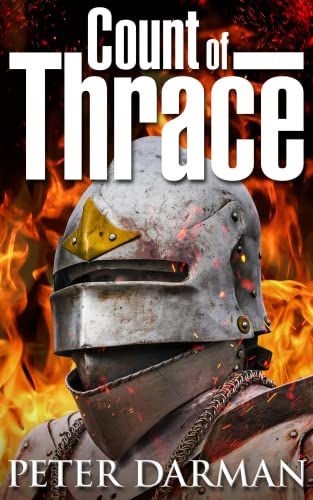
In Roger Crowley’s Constantinople, in the spring of 1453 Sultan Mehmed II brought the resources of the expanding Ottoman state against Constantinople, the diminished but still formidable capital of the Byzantine Empire. Constantine XI Palaiologos organised a defence built around the Theodosian walls, a small Byzantine force and foreign volunteers led by the Genoese commander Giovanni Giustiniani. In Simon Turney’s Prince, Constantine Palaiologos is still a prince, expected to serve his dynasty in a world where marriage, tribute and military preparedness are inseparable. Constantine XI Palaiologos is treated fictionally in Peter Darman’s Count of Thrace.