Miyamoto Musashi was a Japanese swordsman, strategist and rōnin of the early seventeenth century who became famous for an undefeated or near-undefeated record in duels. Tradition credits him with developing the two-sword style associated with the Niten Ichi-ryū school.
In later life Musashi wrote The Book of Five Rings, a treatise connecting swordsmanship with broader principles of strategy and discipline. His duel with Sasaki Kojirō and many other episodes became heavily romanticised, making it necessary to distinguish surviving records from later legend.
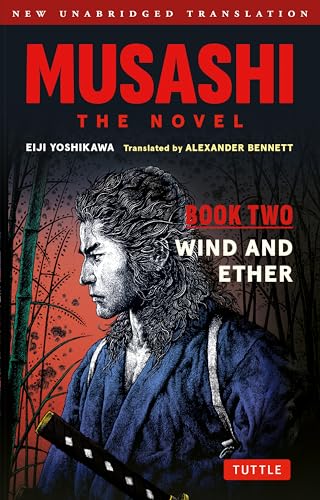
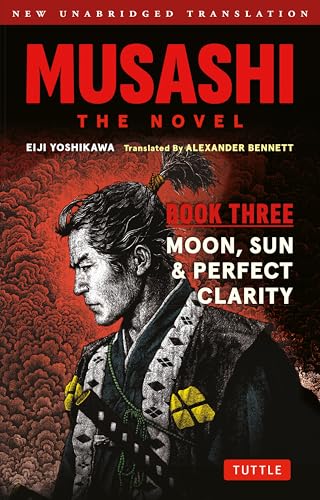
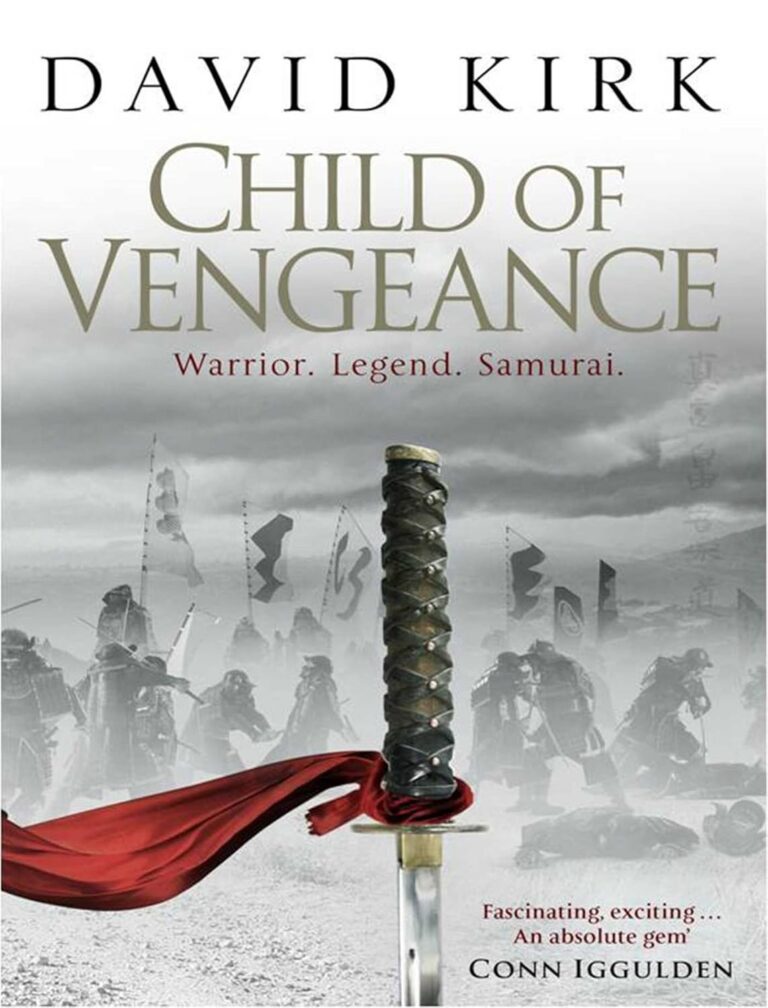
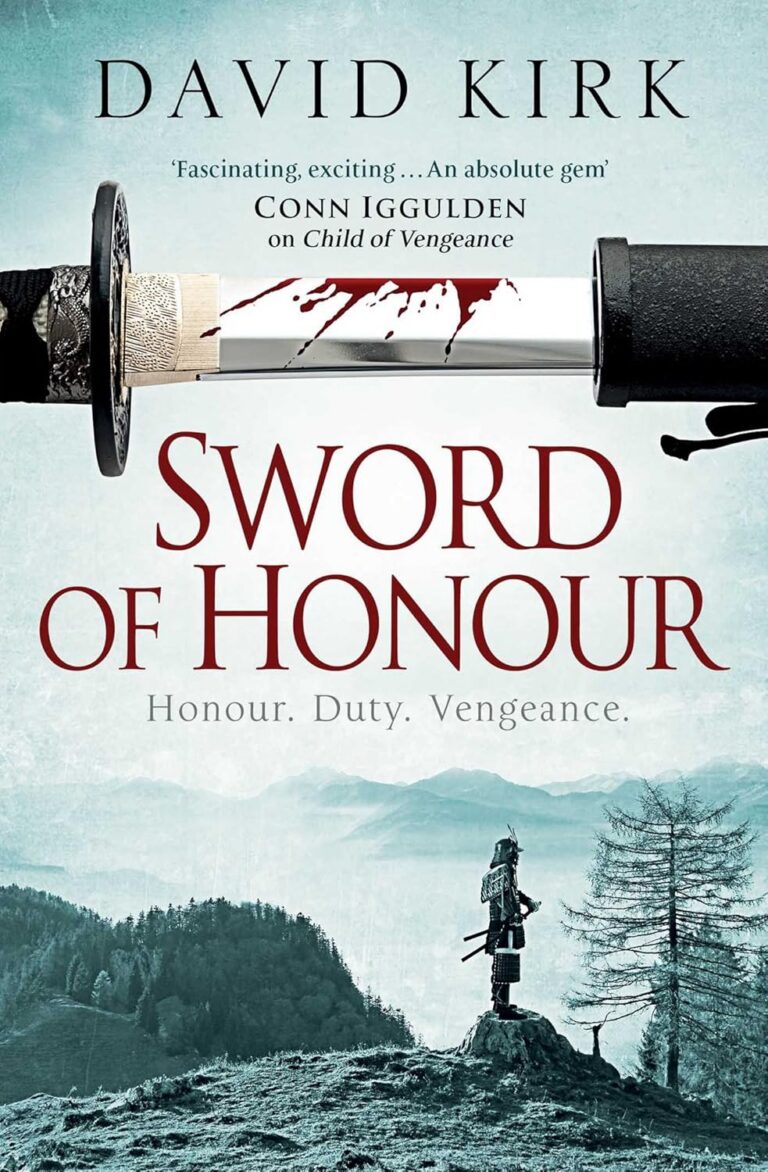
In David Kirk’s Child of Vengeance, Training, betrayal and personal loss force Bennosuke to decide whether honour requires obedience, vengeance or independent judgement. His path leads to the Battle of Sekigahara in 1600, where rival coalitions fight for control of Japan and the defeated young warrior begins to assume the name Miyamoto Musashi. In Eiji Yoshikawa’s Earth, Water & Fire, after surviving the defeat at Sekigahara in 1600, the reckless Takezō returns to his village as a hunted fugitive. Capture and confinement under the Zen monk Takuan Sōhō begin his transformation into Miyamoto Musashi, but a new name does not immediately quiet his pride. Further fictional perspectives on Miyamoto Musashi can be found in David Kirk’s Sword of Honour, Eiji Yoshikawa’s Moon, Sun & Perfect Clarity, and Eiji Yoshikawa’s Wind & Ether.