Historical person
Tokugawa Ieyasu
1543–1616
Tokugawa Ieyasu was born Matsudaira Takechiyo at Okazaki in 1543 and grew up amid the hostage-taking, shifting alliances and warfare of Japan’s Sengoku period. After years under Imagawa influence he allied with Oda Nobunaga and steadily consolidated his base in eastern Japan. Following Nobunaga’s death in 1582, Ieyasu became both collaborator and rival to Toyotomi Hideyoshi. Hideyoshi’s settlement transferred him to the Kantō, where he built an exceptionally strong territorial and administrative position centred on Edo.
After Hideyoshi died, Ieyasu defeated the principal opposing coalition at Sekigahara in 1600 and was appointed shogun by Emperor Go-Yōzei in 1603. He transferred the title to his son Hidetada in 1605 but continued to direct major policy. The Osaka campaigns of 1614–15 destroyed the remaining Toyotomi challenge, while regulations for daimyō and the imperial court helped establish the political framework of Tokugawa rule. He died at Sunpu in 1616, leaving a shogunate that endured until 1867.
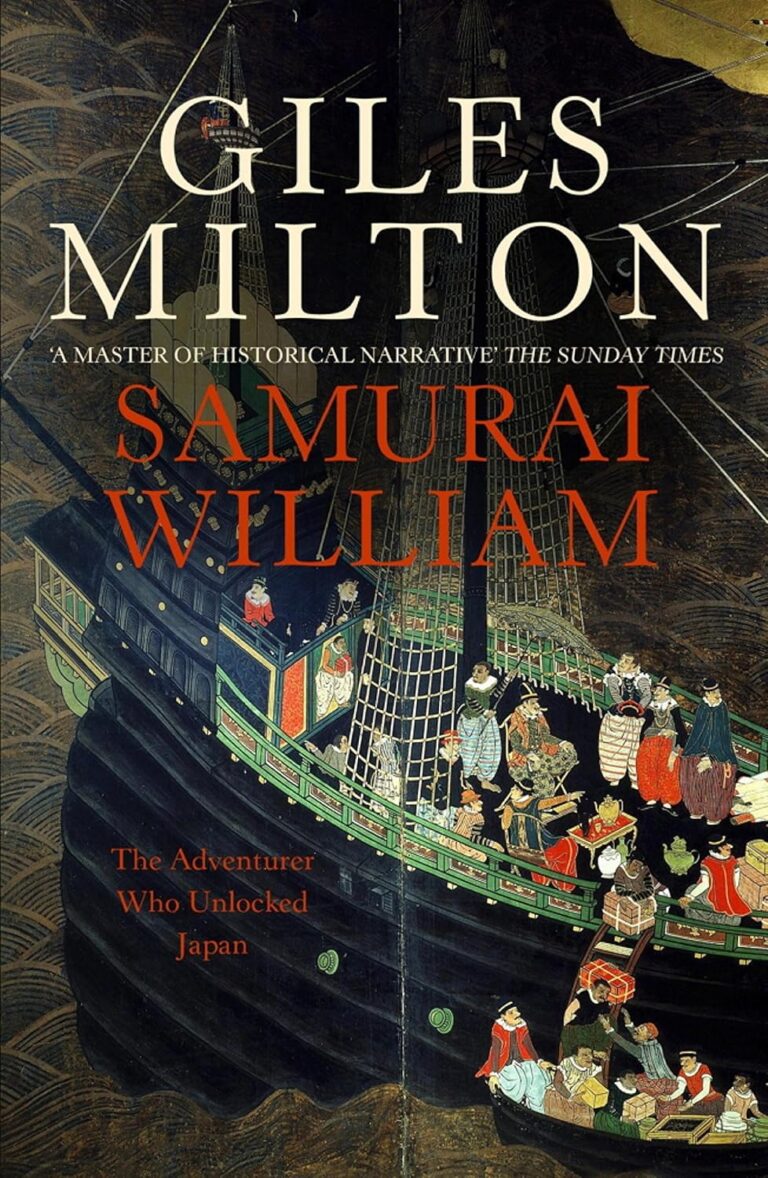
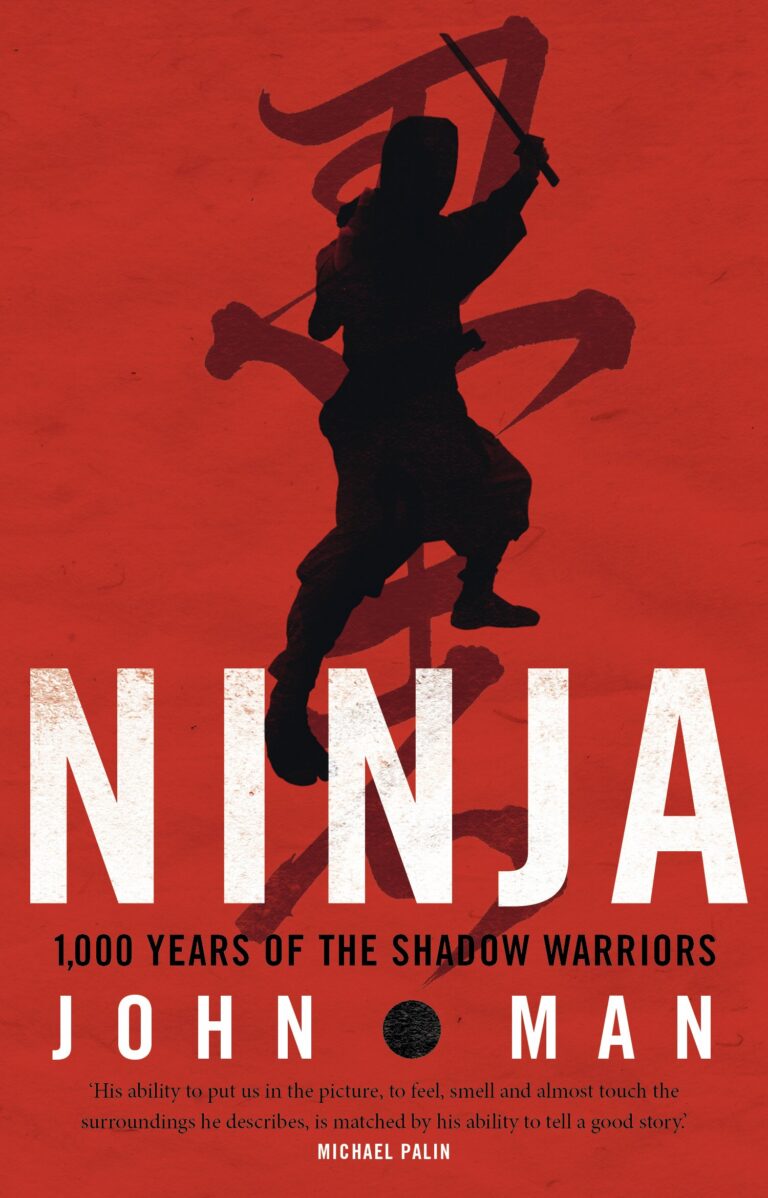
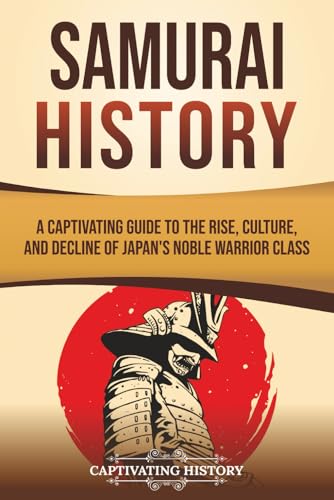
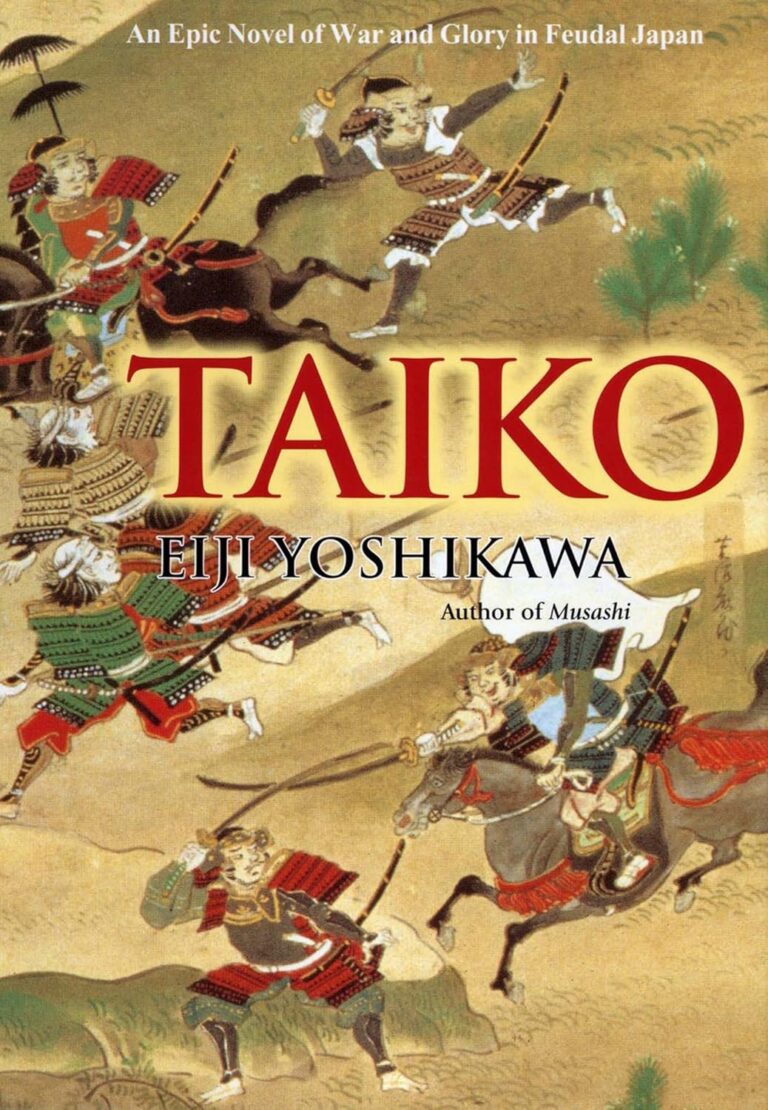
Eiji Yoshikawa’s Taiko presents Ieyasu within the struggle for unification dominated by Nobunaga and Hideyoshi. Giles Milton’s Samurai William deals directly with Ieyasu’s employment of the English navigator William Adams and his interest in foreign knowledge and trade. John Man’s Ninja and Samurai History place him within the military transformation that ended prolonged civil war and created the Tokugawa political order.
Standalone books
Standalone books featuring Tokugawa Ieyasu (1 book)
Non Fiction
Non Fiction featuring Tokugawa Ieyasu (3 books)
Biographies, histories and other non-fiction are listed separately from the historical novels above.