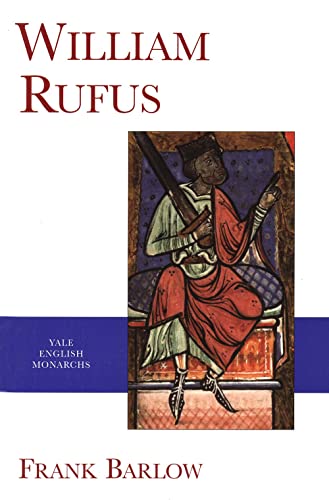
William II, known as William Rufus, was king of England from 1087 to 1100. He defended the Anglo-Norman realm against rebellions, fought his brother Robert Curthose and clashed with church leaders before dying from an arrow wound while hunting in the New Forest.
William II of England also held the offices or ranks of duke and monarch of England. William II of England belonged to the House of Normandy. William II of England was born in Normandy and died in New Forest National Park.
Paul Doherty’s The Death of the Red King makes William II’s fatal New Forest hunting expedition the starting point for a mystery about succession, loyalty and whether the king’s death was accident or murder. David Field’s Traitor’s Arrow likewise exploits the uncertainty surrounding Rufus’s death as political danger rather than treating the traditional story as settled fact. John Gillingham’s William II (Penguin Monarchs) reassesses his kingship, military campaigns and clashes with the Church, and Frank Barlow’s William Rufus similarly separates the energetic ruler from the hostile monastic tradition that shaped his reputation. Cecelia Holland’s Two Ravens places William within the hard political world of the Anglo-Norman realm, using his court and conflicts as part of the pressures facing its fictional protagonists.