Books
Phase
Siberian Katorga and Penal Exile
1801–1917 CE
Throughout the nineteenth century, the Russian Empire sent criminal convicts, political offenders and people expelled through administrative procedures to Siberia. Katorga was the harshest judicial punishment, combining confinement and forced labour with loss of civil status and, commonly, compulsory settlement after the term had been served. Prison fortresses, mines, construction work and transport stages formed parts of a dispersed system rather than a single uniform institution.
The state treated exile both as punishment and as a means of controlling and populating imperial territory east of the Urals. Conditions varied sharply by location, sentence and social rank, but overcrowding, corporal punishment, chains, disease and difficult labour were recurring features. Reforms under Nicholas I and Alexander II altered administration and limited some punishments without ending the fundamental use of Siberia as a penal destination.
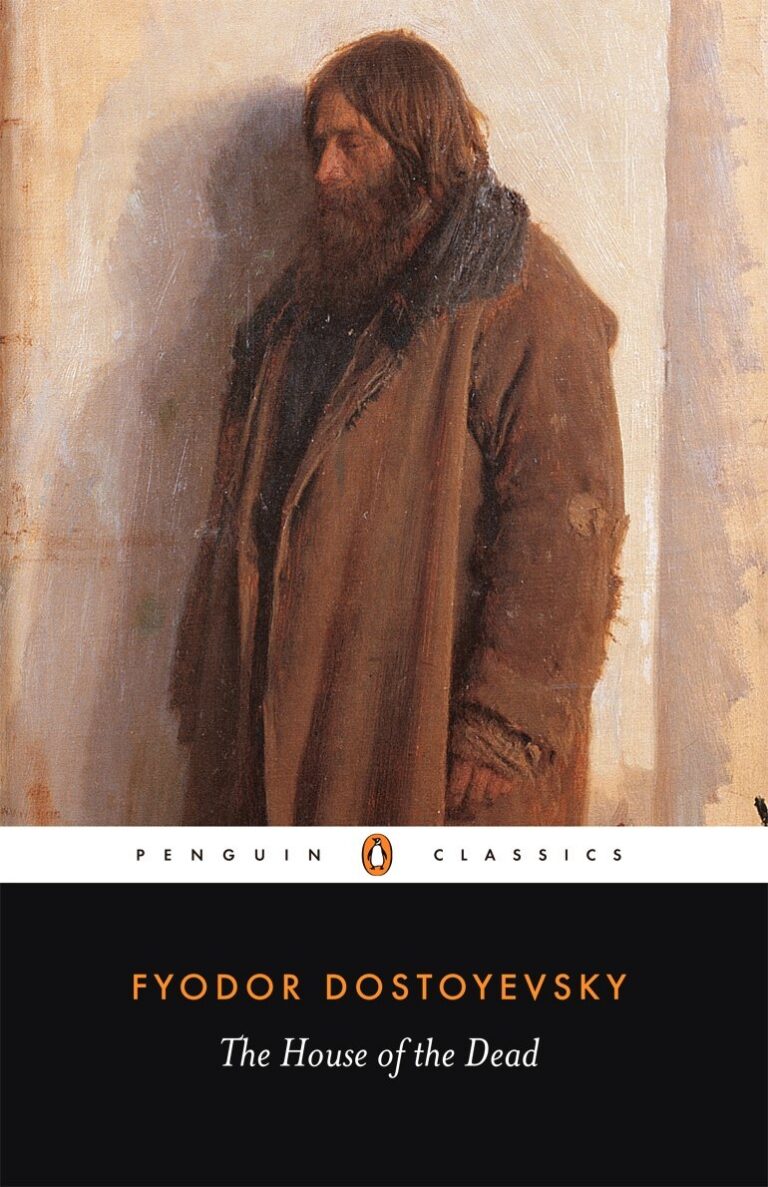
Fyodor Dostoyevsky’s The House of the Dead is one of the most influential literary representations of katorga. Based on his imprisonment in the Omsk fortress from 1850 to 1854, it records barrack routines, labour, punishment, religious observance and the social relationships among convicts through a fictional narrator. The work links personal endurance and moral reflection to the wider institutions of Imperial Russian penal exile.