
Historical person
Michael Francis O’Dwyer
1864–1940
Michael Francis O’Dwyer was an Irish-born officer of the Indian Civil Service who became lieutenant-governor of the Punjab in 1913. His administration coincided with the First World War, when Punjab supplied large numbers of recruits, taxes and resources to the British war effort. O’Dwyer viewed nationalist agitation through a security lens and supported coercive legislation, surveillance and collective punishments, policies that made his government increasingly confrontational as wartime pressures and post-war political demands intensified.
During the unrest of April 1919, O’Dwyer backed the use of martial measures in Punjab and publicly supported Brigadier-General Reginald Dyer after Dyer’s troops fired on an unarmed crowd at Jallianwala Bagh in Amritsar. The two men are often confused, but O’Dwyer was the civilian lieutenant-governor, not the officer who ordered the shooting. He continued defending the repression after retirement. In 1940 Udham Singh assassinated him at Caxton Hall in London, explicitly presenting the killing as revenge for Amritsar.
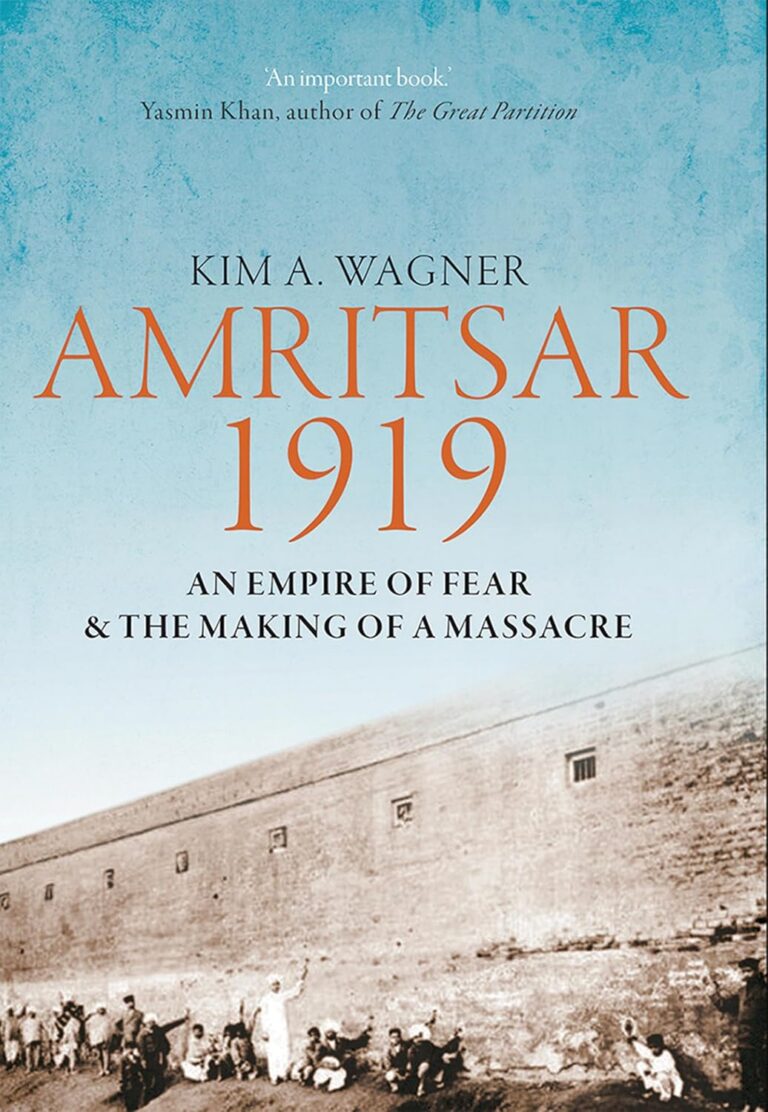
Kim A. Wagner’s Amritsar 1919 places Michael O’Dwyer, lieutenant-governor of the Punjab, at the administrative centre of the crisis that culminated in the Jallianwala Bagh massacre. Wagner traces the coercive policies, surveillance and arrests carried out under his government before 13 April and examines O’Dwyer’s defence of Brigadier-General Dyer afterwards, making imperial fear and official decision-making as important to the account as the firing in the garden itself.
Non Fiction
Non Fiction featuring Michael Francis O’Dwyer (1 book)
Biographies, histories and other non-fiction are listed separately from the historical novels above.