John Oldcastle was an English nobleman, soldier and prominent supporter of Lollardy. Once associated with Henry V, he was condemned for heresy, escaped imprisonment and became linked to a failed rising before being captured and executed.
Oldcastle escaped from the Tower of London after his 1413 conviction for heresy and became associated with an abortive Lollard rising against Henry V in January 1414. He remained at large for several years before being captured in Wales and executed in 1417. Later tradition transformed him into a rebellious Protestant precursor, and Shakespeare’s Falstaff was originally associated with the name Oldcastle before theatrical and political pressure prompted a change.
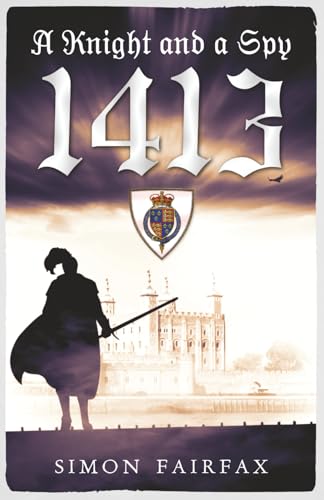
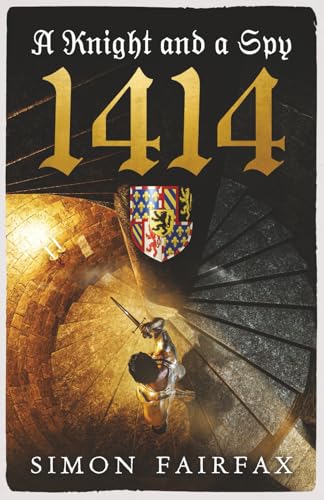
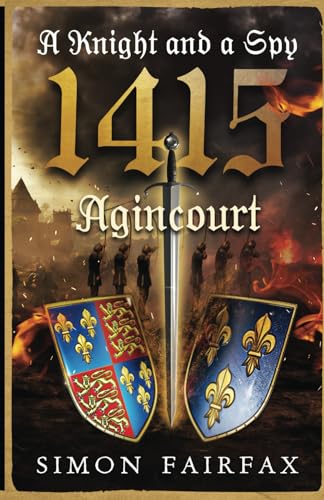
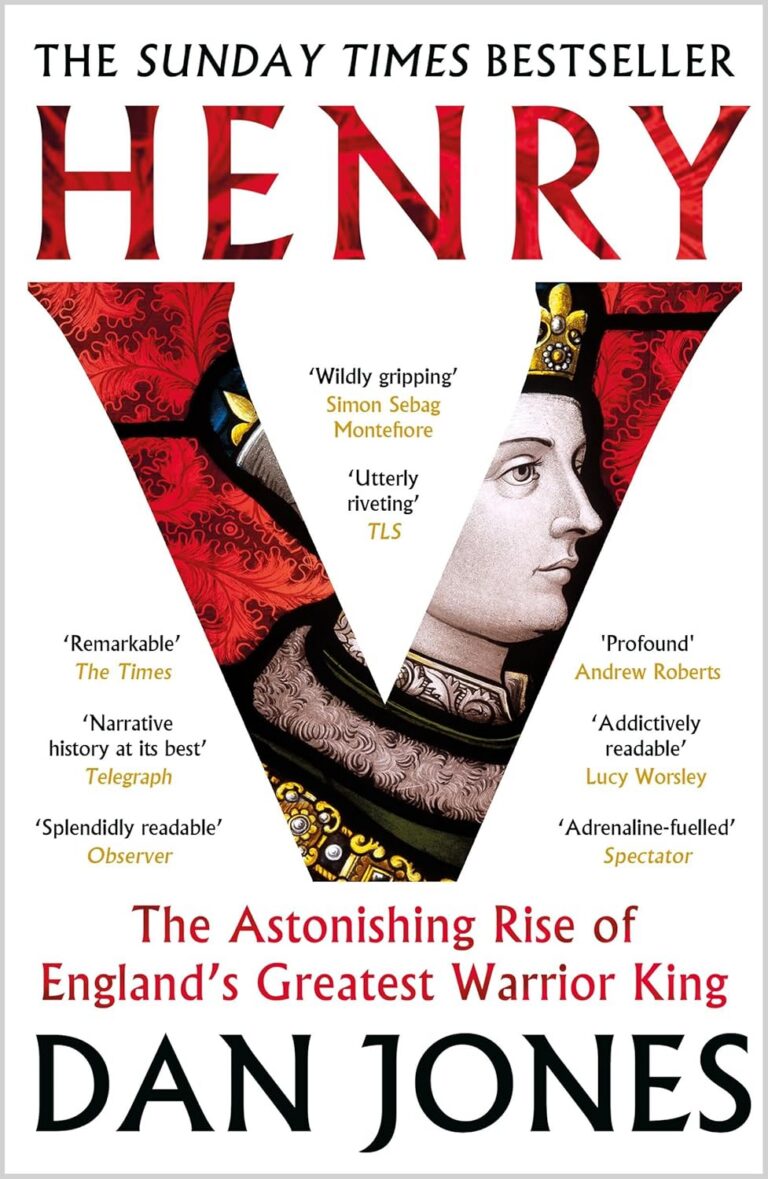
Simon Fairfax’s A Knight and a Spy 1413 brings John Oldcastle’s Lollard cause into the first year of Henry V’s reign, when religious dissent and conspiracy test the new king’s security as well as his former friendship with Oldcastle. A Knight and a Spy 1414 carries the danger forward as the government prepares for war in France and continues to hunt networks associated with Lollard resistance. Dan Jones’ Henry V reconstructs the historical relationship directly, showing how the prince’s former companion became a condemned heretic and rebel whose escape and attempted rising forced Henry to choose royal and religious authority over personal loyalty.