Historical person
Grand Duchess Anastasia Nikolaevna of Russia
1901–1918
Grand Duchess Anastasia Nikolaevna was the youngest daughter of Emperor Nicholas II and Alexandra Feodorovna to survive infancy, born in 1901 as the fourth of their five children. She grew up with her sisters Olga, Tatiana and Maria and her younger brother Alexei in the highly protected world of the Russian imperial family. Family letters and photographs show an energetic, mischievous child fond of jokes and practical tricks, while her education and daily routine were broadly shared with her sisters rather than organised around an expected political role.
The February Revolution of 1917 ended Nicholas II’s reign and turned the imperial family into prisoners. They were confined first at Tsarskoye Selo, then transported to Tobolsk and finally to the Ipatiev House in Yekaterinburg. Bolshevik guards killed Anastasia, her parents, siblings and attendants in the early hours of 17 July 1918. Rumours that she had survived produced several famous impostors, especially Anna Anderson, but the recovery and genetic testing of Romanov remains in the late twentieth and early twenty-first centuries established that all five imperial children died with their parents.
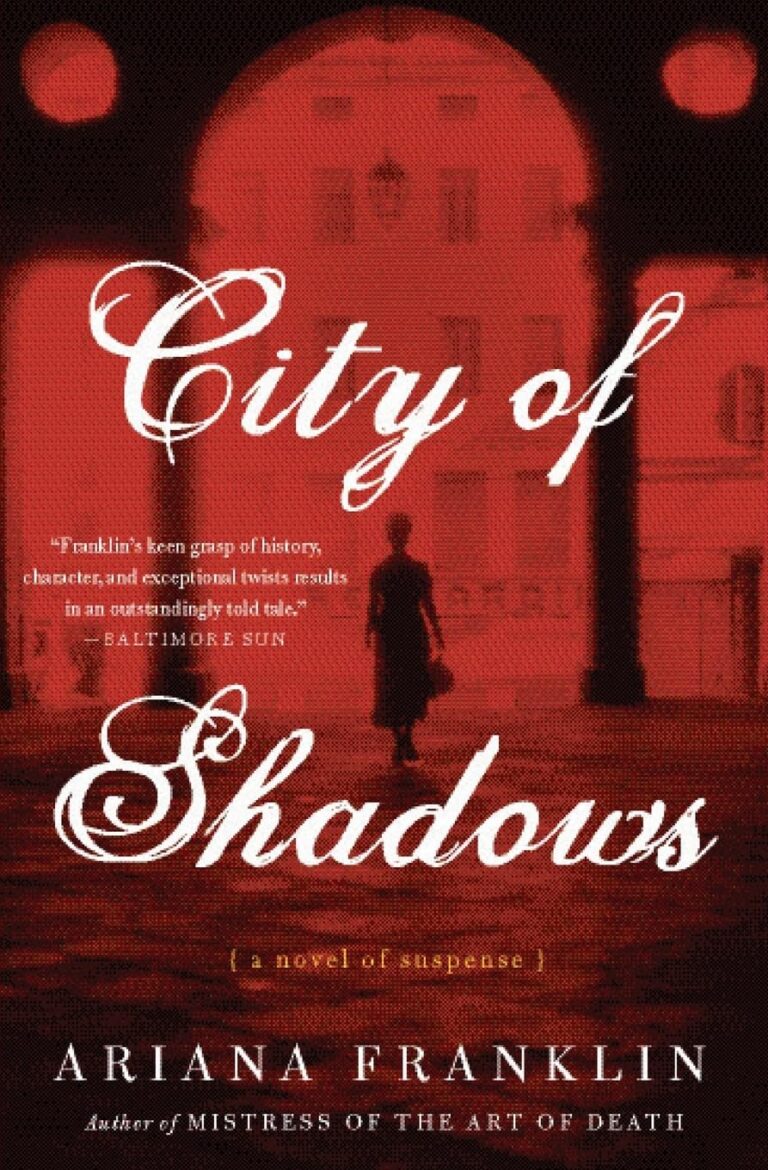
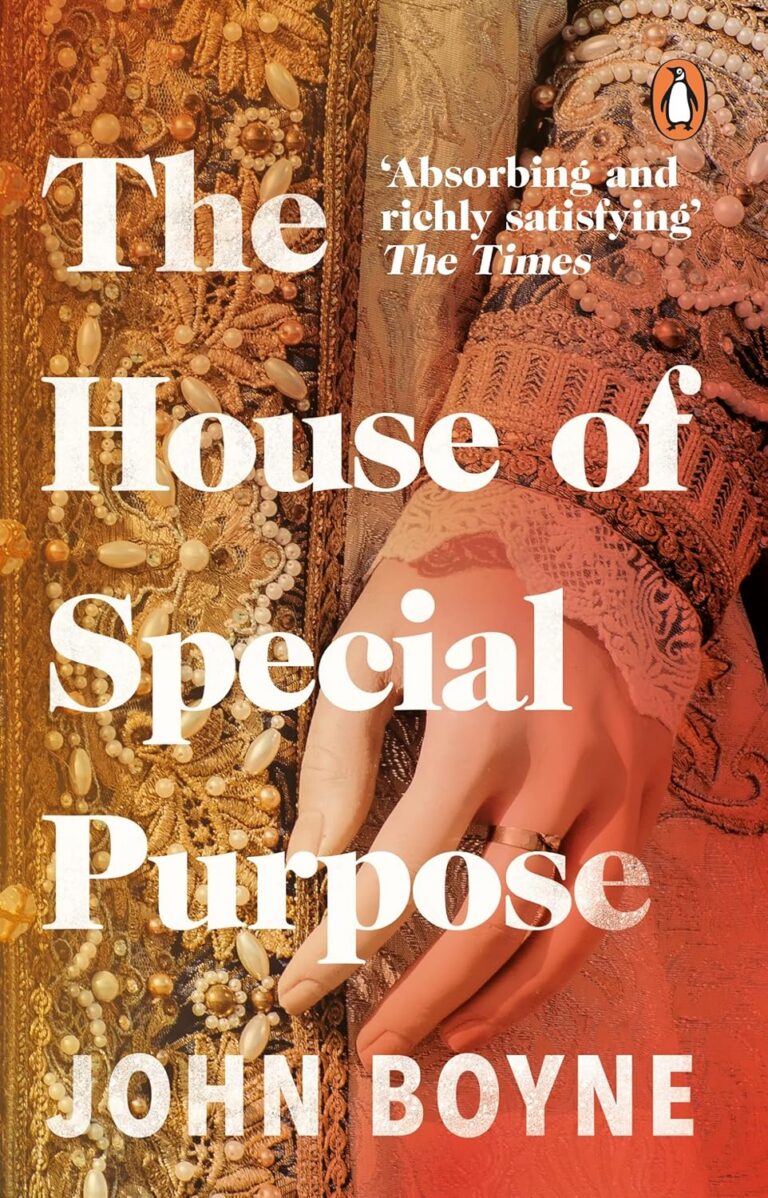
In Colin Falconer’s Anastasia, American journalist Michael Sheridan rescues an amnesiac Russian refugee who calls herself Anastasia and resembles the youngest daughter of Nicholas II. In John Boyne’s The House of Special Purpose, Georgy Daniilovich Jachmenev keeps vigil beside his dying wife Zoya and remembers the Russia of his youth. Ariana Franklin’s City of Shadows turns the post-war Anastasia mystery into part of its plot when a disturbed young woman in Berlin claims to be Grand Duchess Anastasia, forcing the characters to confront both Romanov history and the possibility of fraud.
Standalone books