Erasmus studied and worked across the Low Countries, France, England, Italy, Switzerland and the German lands. His editions, translations, correspondence and satirical works promoted textual scholarship, education and moral reform while he remained critical of both ecclesiastical abuses and confessional extremism.
Erasmus was the leading northern European humanist of his generation and profoundly influenced education, biblical scholarship and debates over reform. Desiderius Erasmus also worked as Christian humanist and Theologian. Desiderius Erasmus was born in Rotterdam and died in Basel.
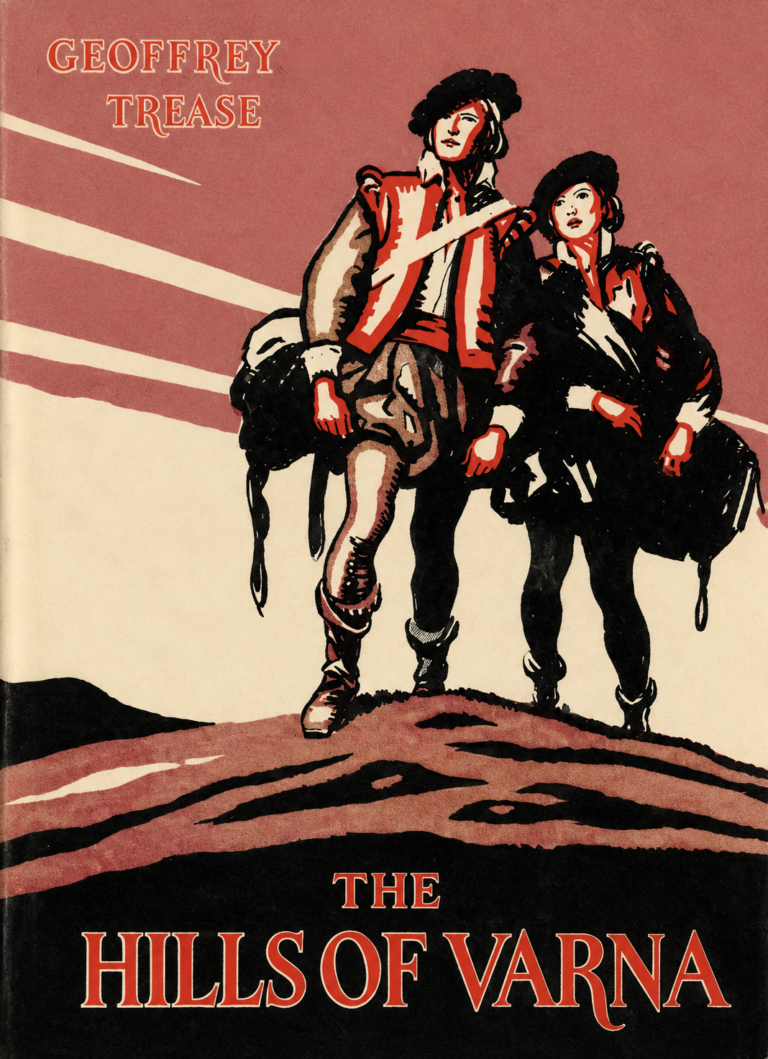
Geoffrey Trease’s The Hills of Varna brings Erasmus into a story about the circulation of books, scholarship and religious ideas, making the humanist movement part of the intellectual forces unsettling late medieval Europe. Rozsa Gaston’s Maid of Honour places the young Anne Boleyn in Margaret of Austria’s Mechelen court, where influential scholars and humanist learning form part of the education she encounters; Erasmus belongs to that cosmopolitan intellectual world surrounding Margaret’s Netherlands.