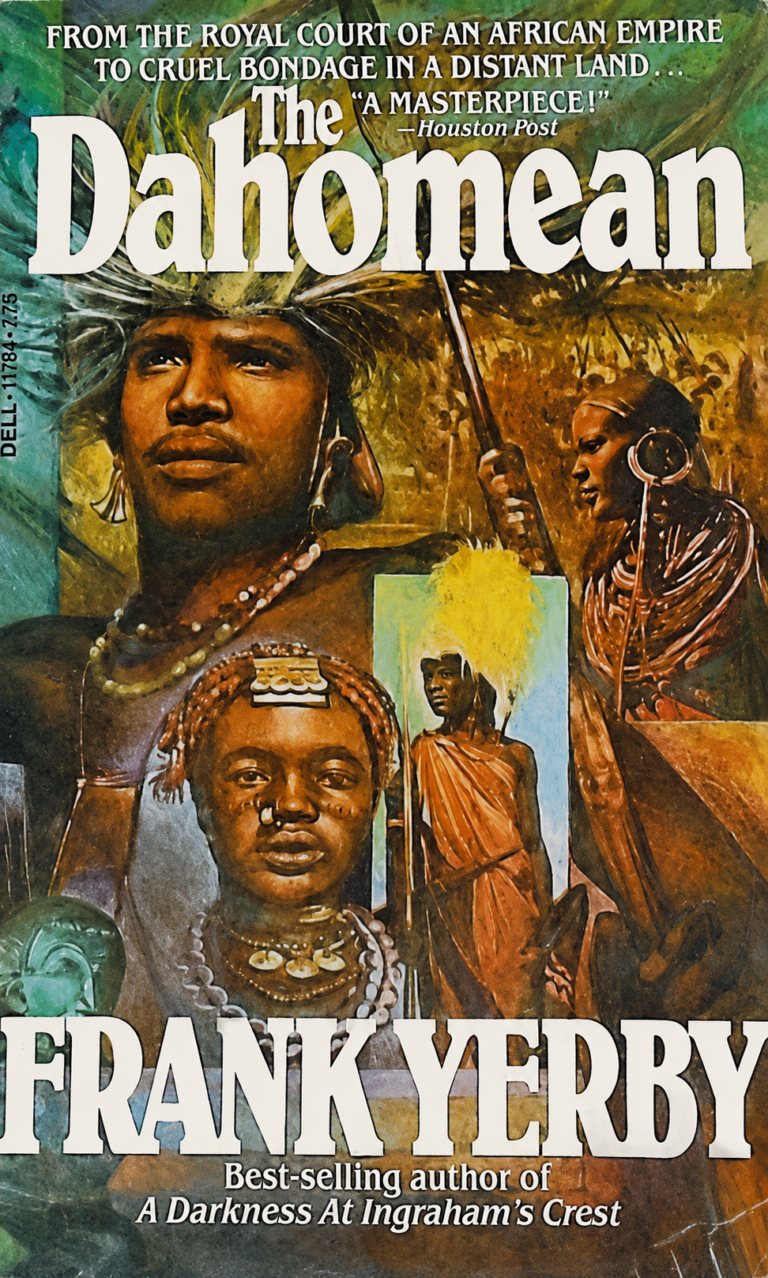
c. 1500–1867 CE
The Atlantic Slave Trade connected ports, merchants and states in Europe, Africa and the Americas through the forced transportation and sale of enslaved Africans. Its routes changed over time, but the system became fundamental to plantation economies in the Caribbean and the Americas and profoundly reshaped societies on both sides of the Atlantic.
African participation took many forms and cannot be reduced to a single political pattern: some rulers and merchants supplied captives, some communities resisted slave raiding, and many states changed their military and economic policies in response to Atlantic demand. European commercial and colonial expansion created the oceanic market that sustained the system and carried captives into hereditary racial slavery overseas.
More specific child contexts should be used when a novel is principally about a particular African kingdom, port, voyage, abolition campaign or slaveholding society.