

Book
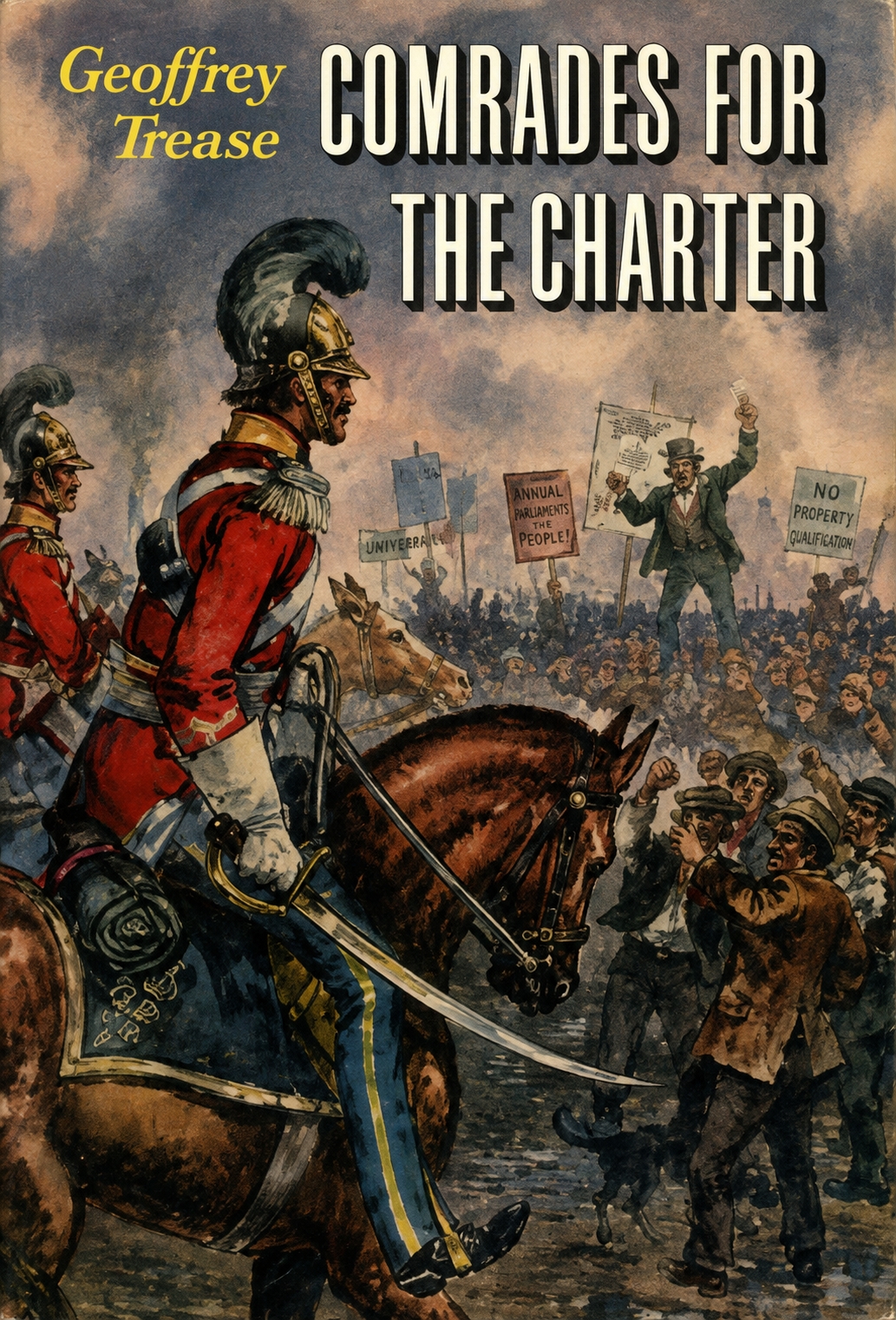
Comrades for the Charter
First published 1934
Young people become involved with working-class activists demanding political representation during the Chartist agitation. Their loyalties are tested by poverty, public meetings, state surveillance and the danger that protest may turn violent.
The book approaches nineteenth-century reform from below, showing how voting rights, wages and housing were connected in everyday experience. Trease treats Chartism as a serious democratic movement rather than a picturesque disturbance.
More from this period
4 more top-rated novels about Chartist Movement
Ranked by rating and voting volume; books already shown on this page are omitted.



More by the author
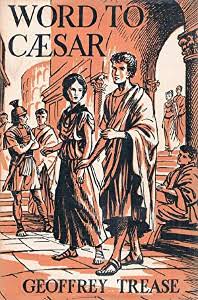
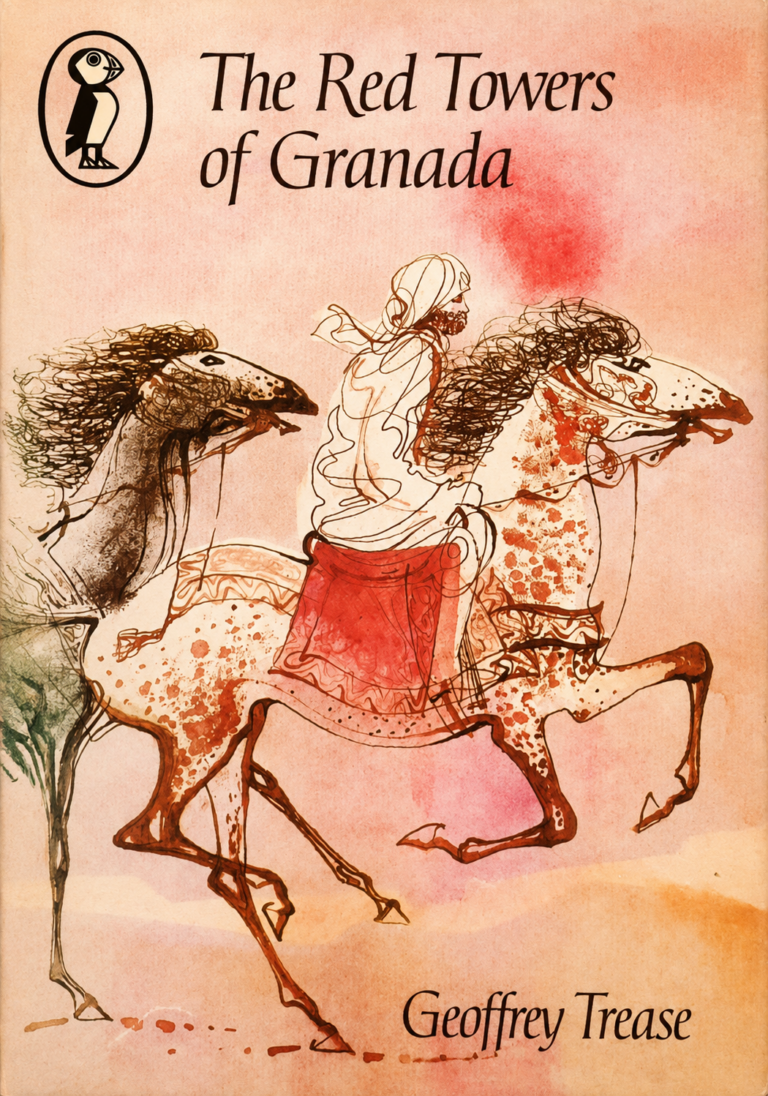
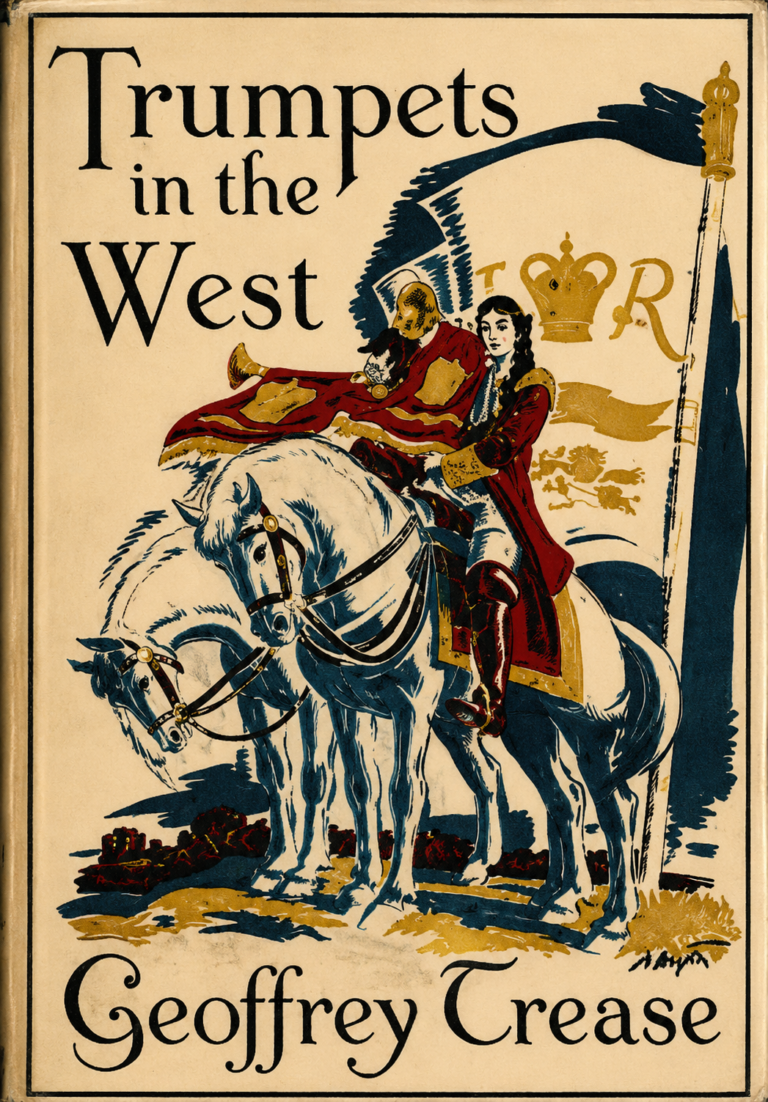
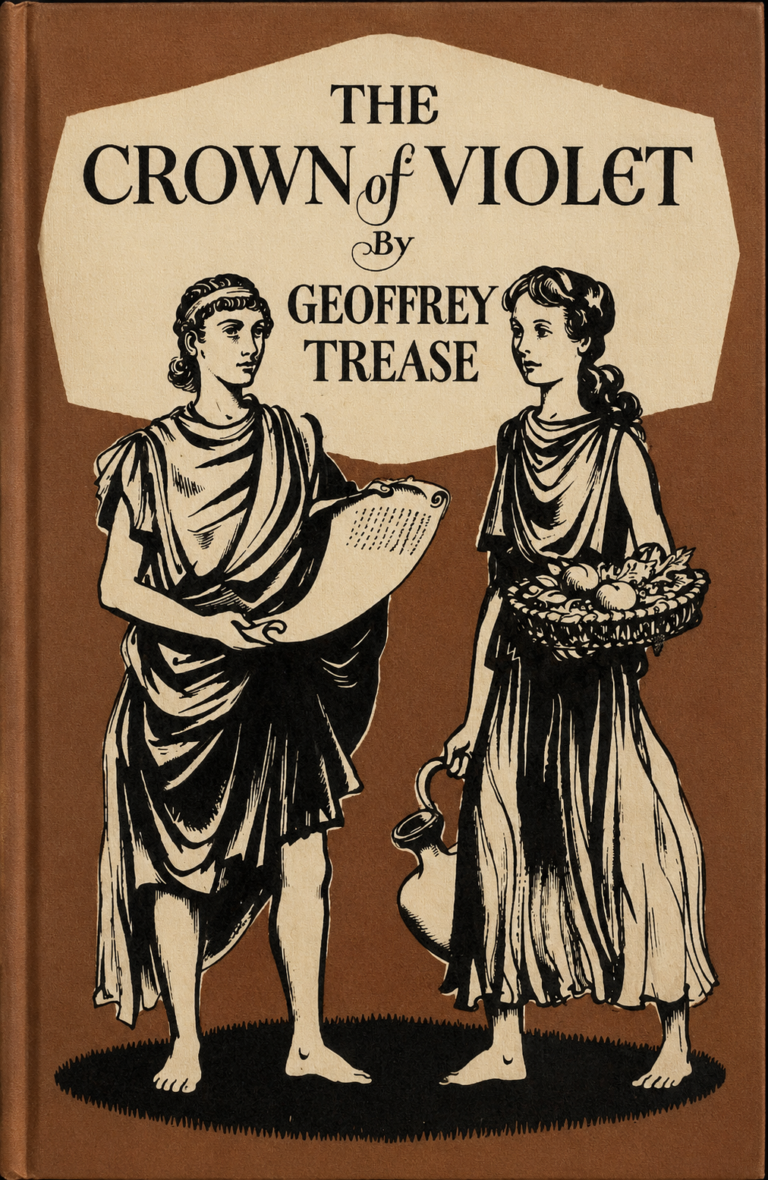
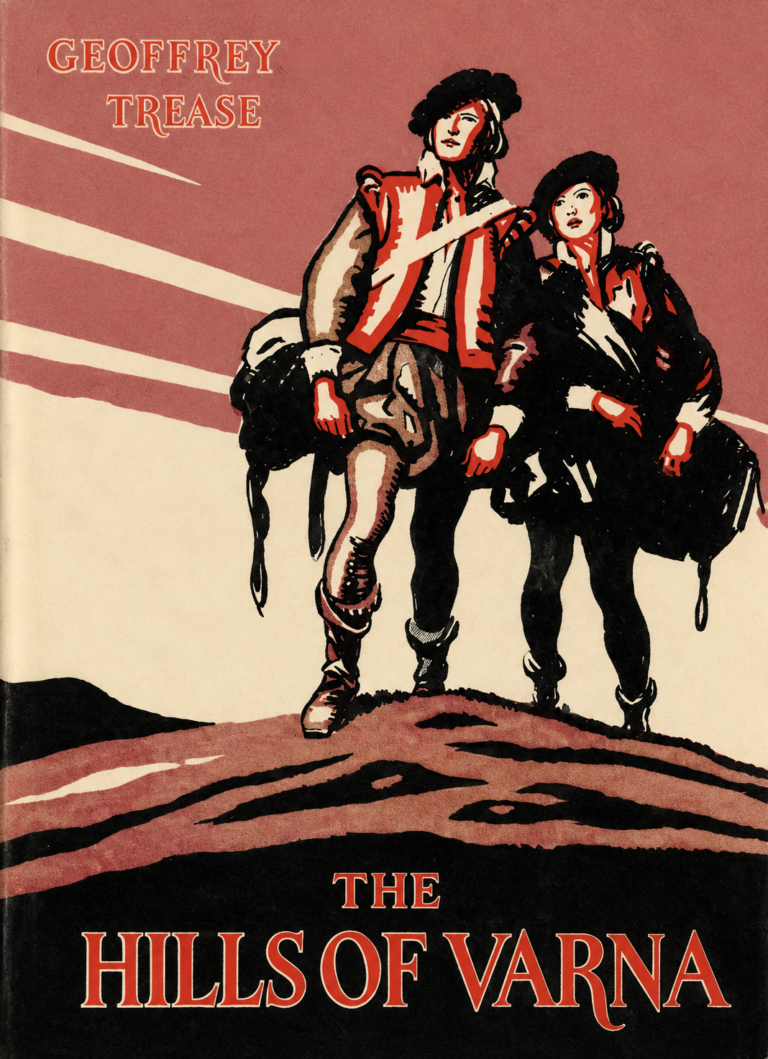
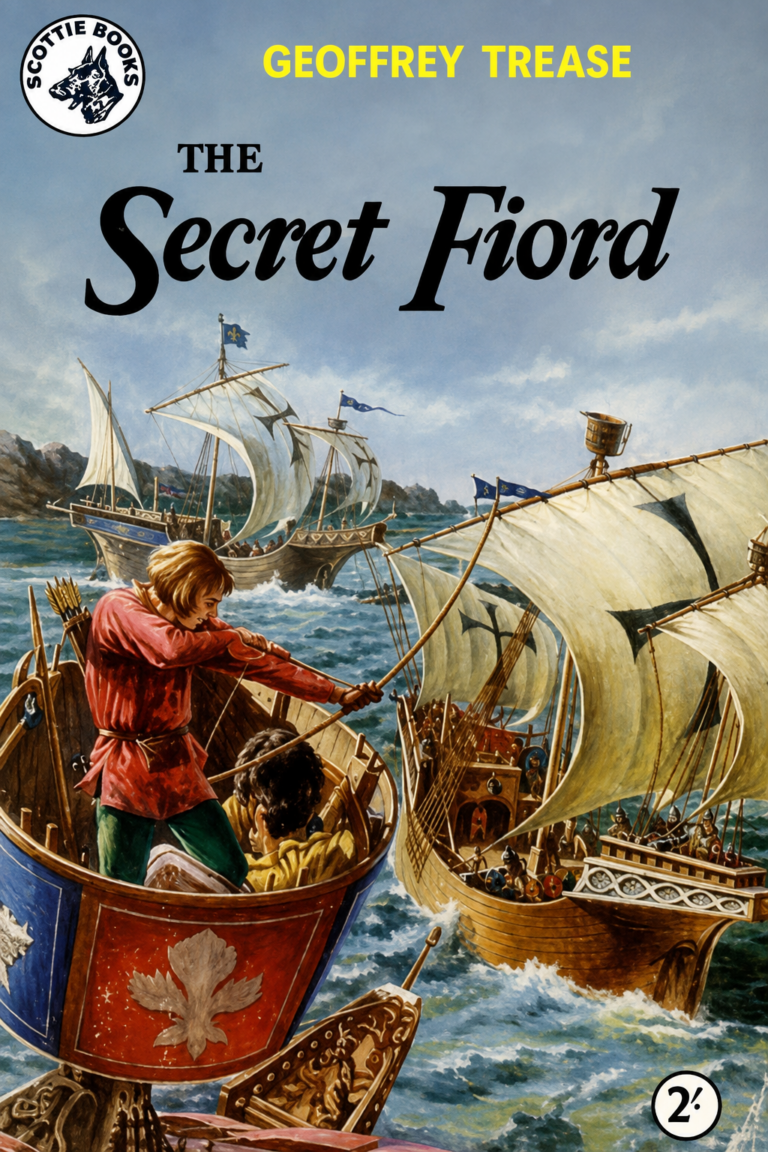
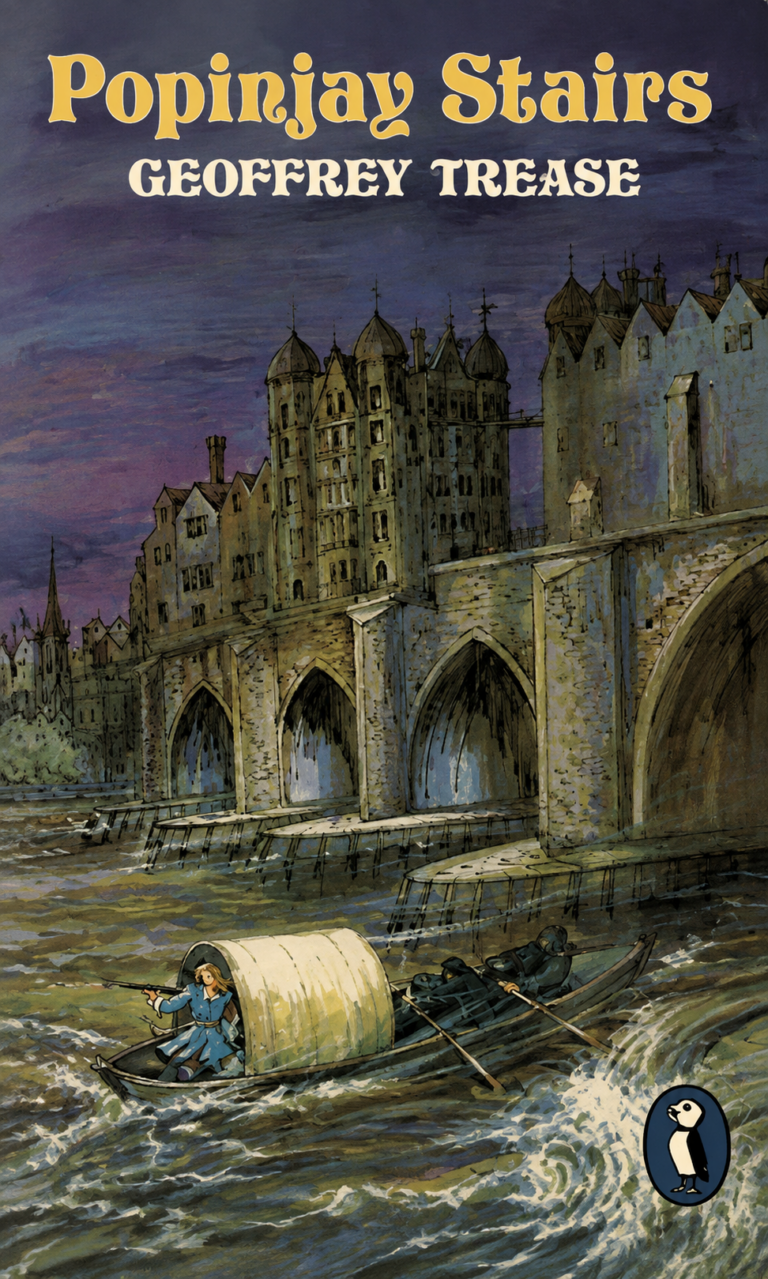
Other books by Geoffrey Trease
Discover more
Authors similar to Geoffrey Trease
Recommended from shared genres and periods.
 Gilbert Morris
104 books
Gilbert Morris
104 books
 Richard Woodman
37 books
Richard Woodman
37 books
 David Field
46 books
David Field
46 books
 Philippa Gregory
32 books
Philippa Gregory
32 books
 Ken Follett
16 books
Ken Follett
16 books