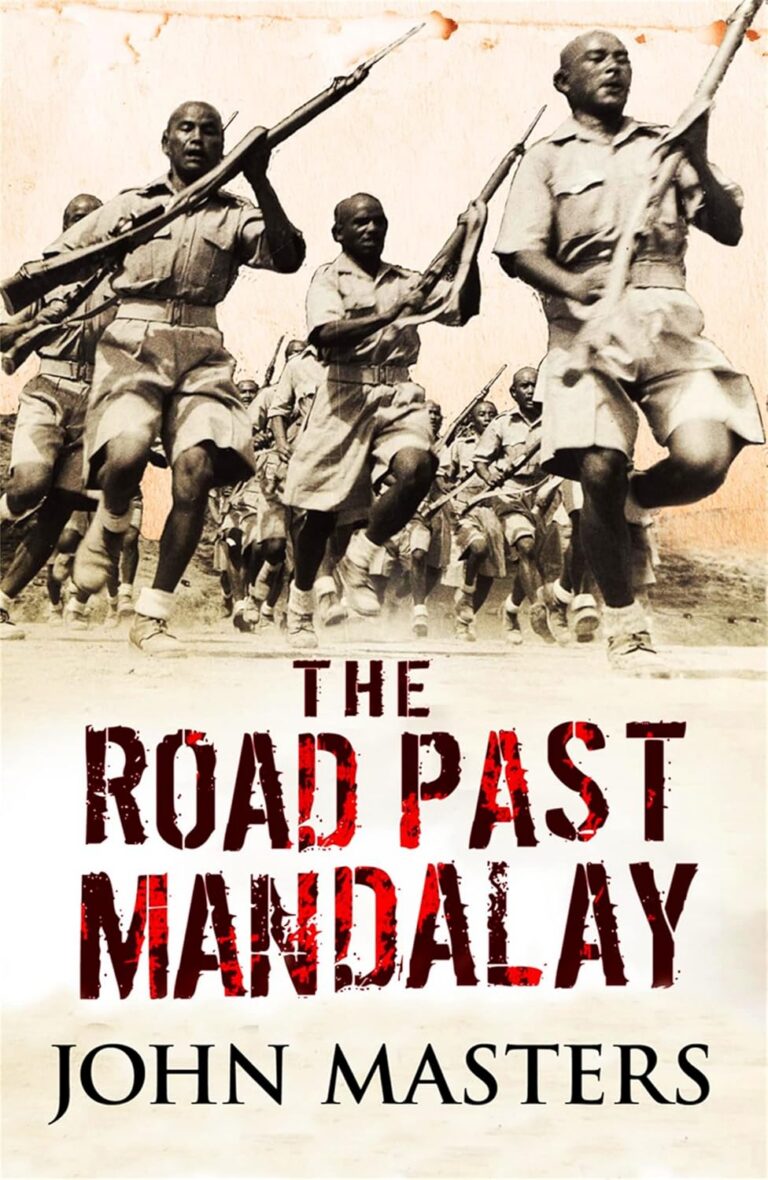
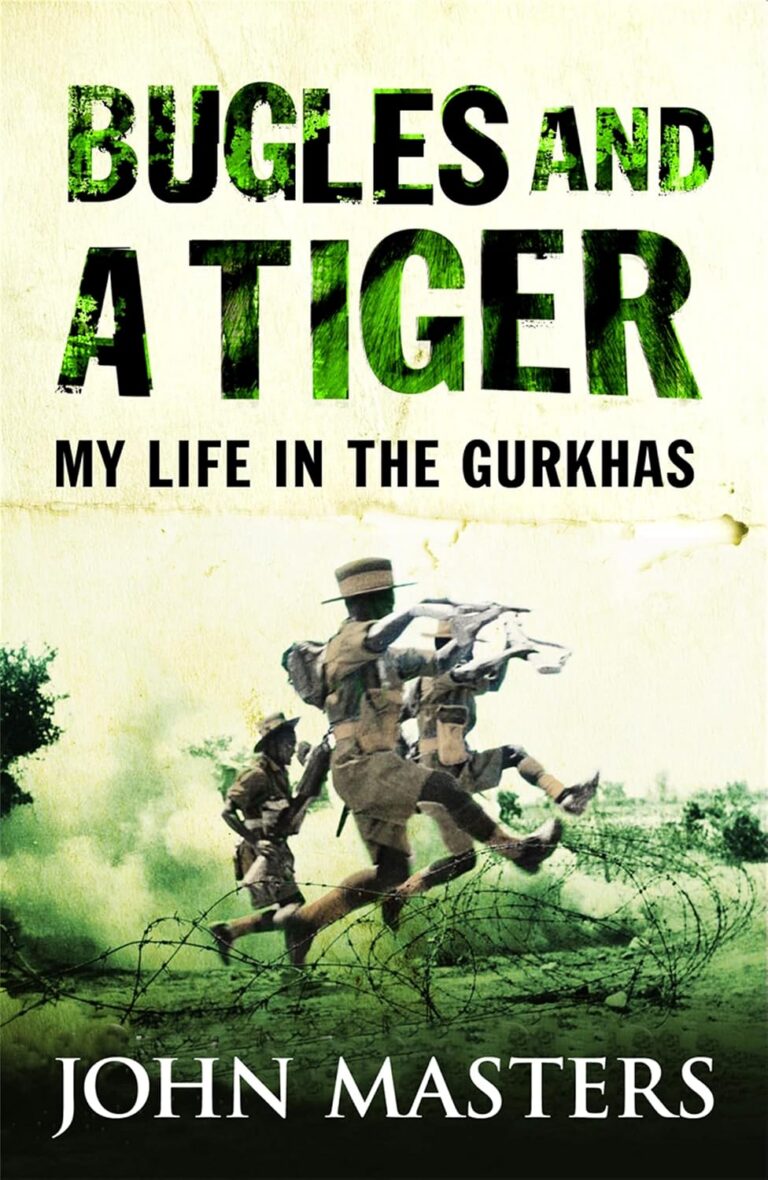
John Masters (1914–1983) was a British novelist and soldier whose writing was deeply shaped by his upbringing and military career in India. Born in Calcutta into a family with a long tradition of service in the Indian Army, he was educated in England and at the Royal Military College, Sandhurst, before joining the 4th Prince of Wales’s Own Gurkha Rifles. He served on the North-West Frontier and during the Second World War in Iraq, Persia and Burma, where he commanded part of the 111th Indian Infantry Brigade during the Chindit campaign behind Japanese lines. After Indian independence he left the army and settled in the United States, becoming a full-time writer. His military memoirs, particularly Bugles and a Tiger and The Road Past Mandalay, are regarded as important firsthand accounts of the Indian Army and the Burma campaign.
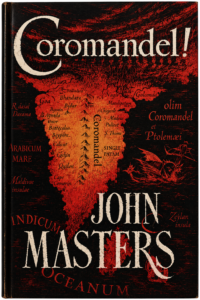
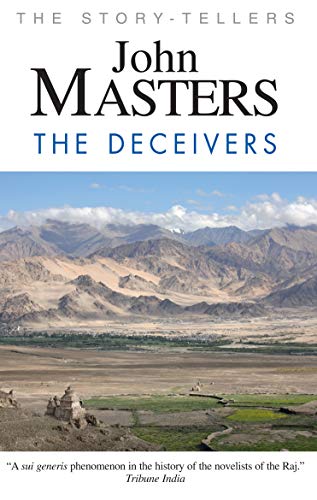
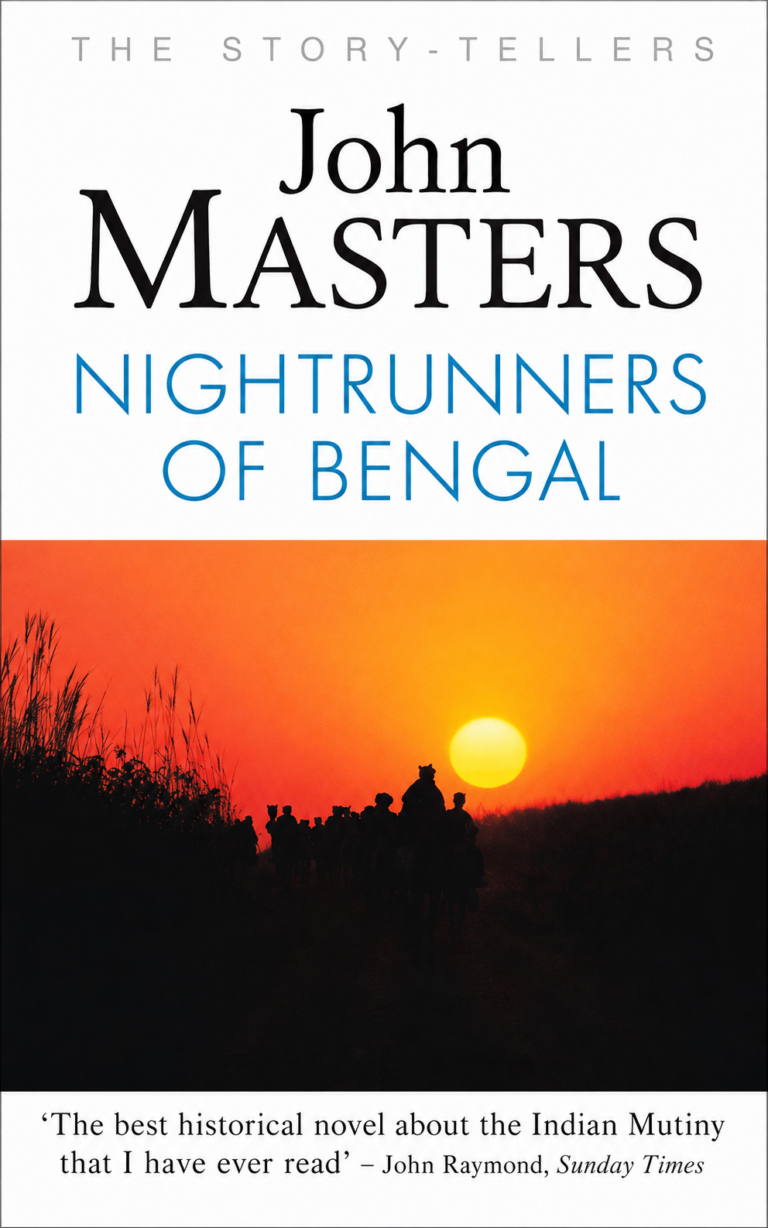
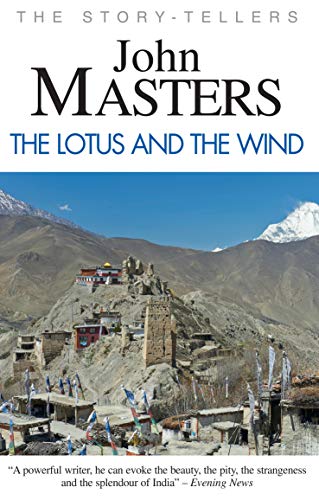
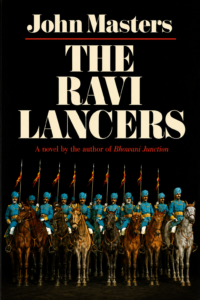
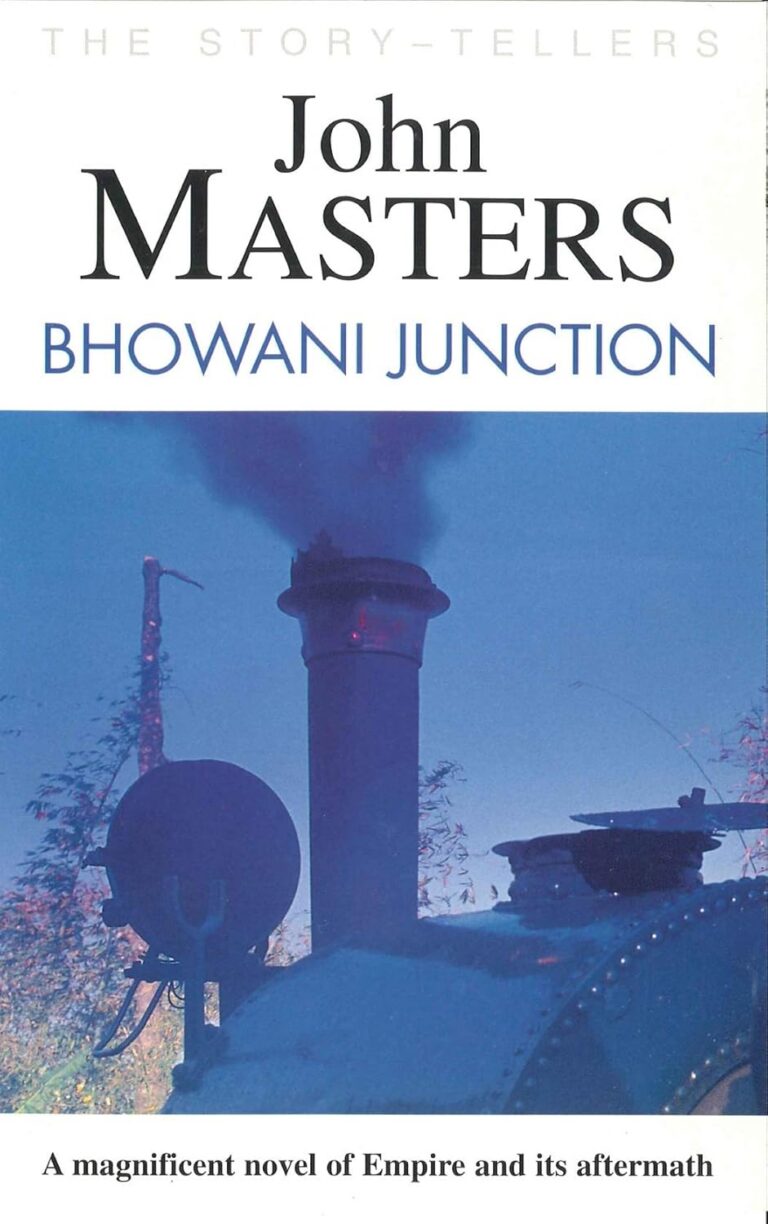
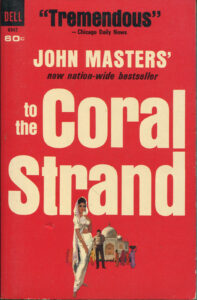
Masters is best known for a sequence of historical novels tracing several generations of the fictional Savage family through the history of British involvement in India. Coromandel! begins in the seventeenth century, while The Deceivers explores the campaign against Thuggee in the early nineteenth century. Nightrunners of Bengal is set during the Indian Rebellion of 1857, and The Lotus and the Wind moves to the Great Game and the Second Anglo-Afghan War. Far, Far the Mountain Peak carries the family into the early twentieth century, and The Ravi Lancers follows Indian cavalry serving on the Western Front during the First World War. His most famous novel, Bhowani Junction, depicts the tensions surrounding the final years of British rule and the approach of Indian independence, while To the Coral Strand considers the difficult aftermath of empire. Taken together, the novels form an unusually broad fictional panorama of India under British rule, combining military adventure with questions of race, loyalty, identity and the decline of empire.

 Gilbert Morris
104 books
Gilbert Morris
104 books
 M. M. Kaye
9 books
M. M. Kaye
9 books
 Malcolm Archibald
54 books
Malcolm Archibald
54 books
 Jacqueline Winspear
20 books
Jacqueline Winspear
20 books
 Evelyn James
55 books
Evelyn James
55 books