Honoré de Balzac was a French novelist and playwright born in Tours in 1799. After studying law in Paris, he abandoned a legal career to pursue writing and initially produced commercial fiction under pseudonyms. His early ventures brought financial difficulties, but he later established himself as one of the most important novelists of nineteenth-century France. Balzac became known for his energetic working habits, extensive revisions and close observation of social class, money, marriage, ambition and professional life.
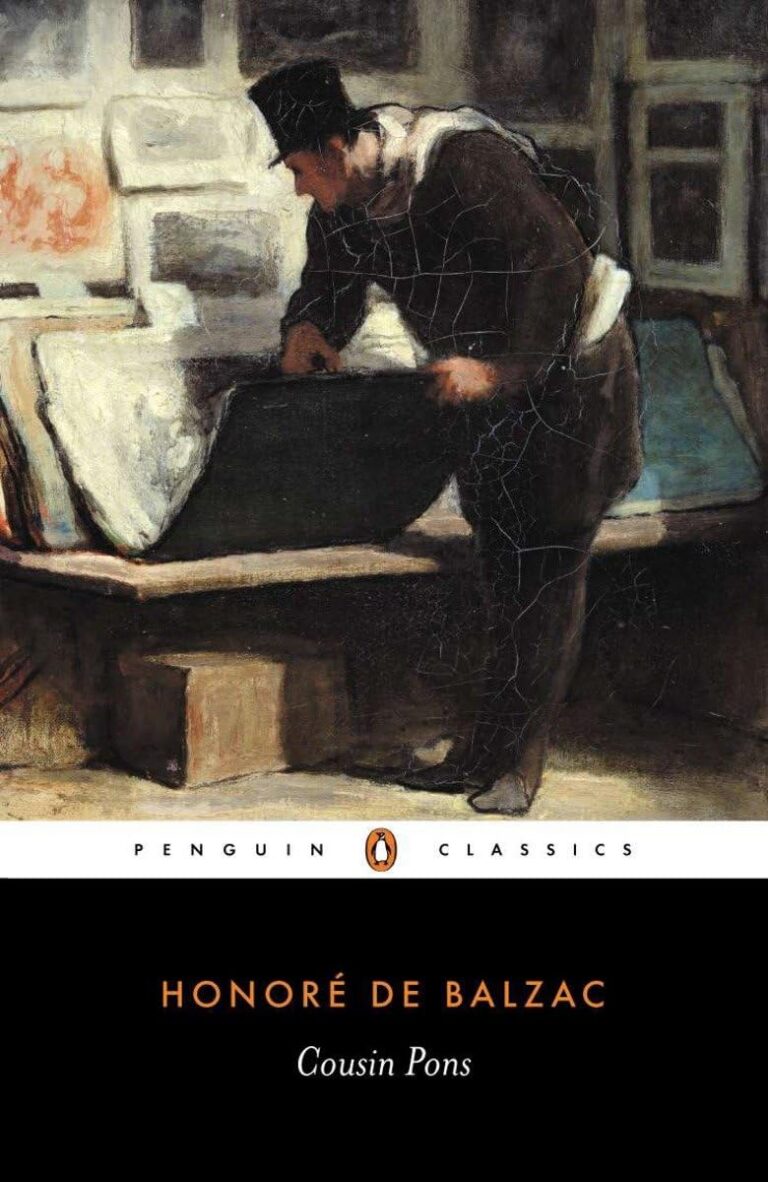
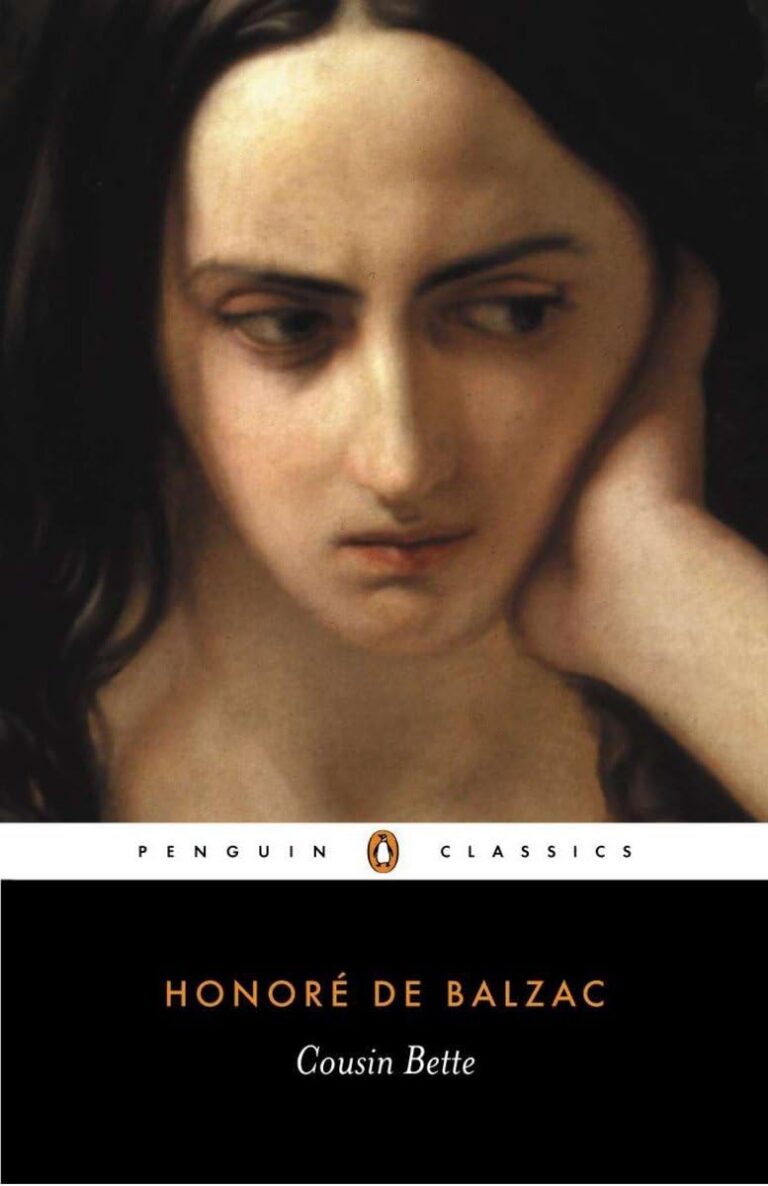
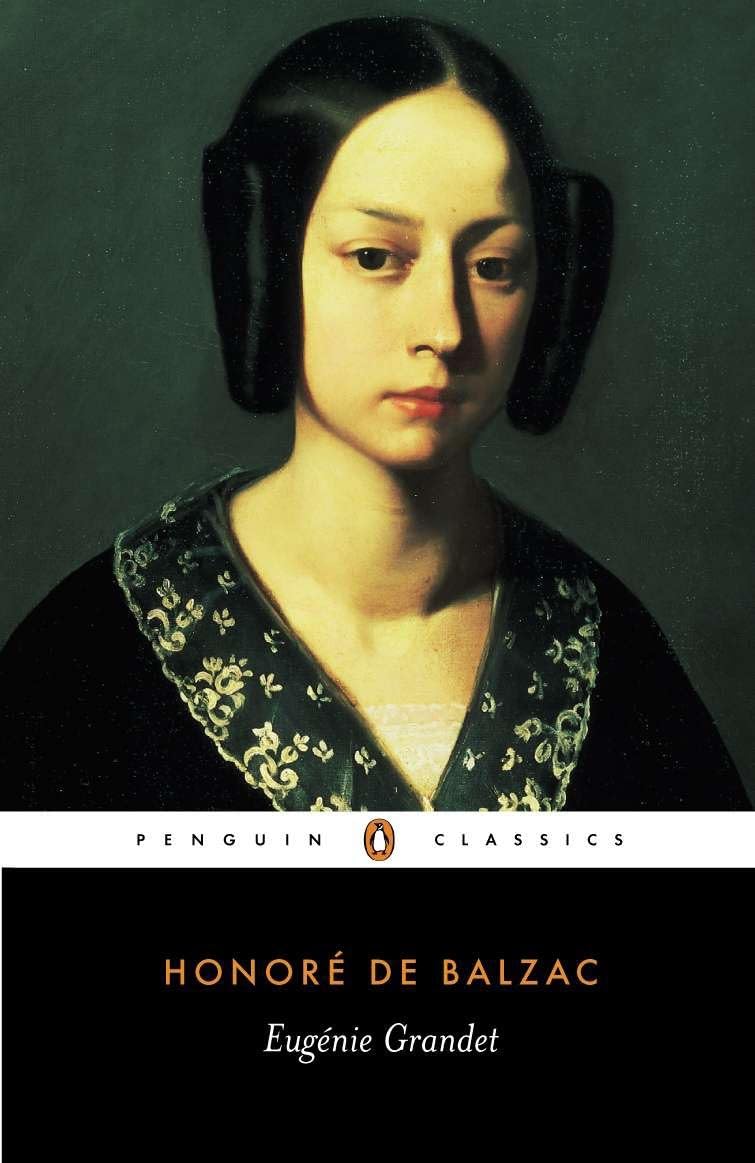
Most of Balzac’s fiction forms part of La Comédie humaine, a vast interconnected sequence portraying French society from the Napoleonic era through the Bourbon Restoration and July Monarchy. Recurring characters move between novels such as Père Goriot, Eugénie Grandet, Lost Illusions and Cousin Bette, creating a detailed fictional history of bankers, aristocrats, journalists, lawyers, criminals and provincial families. Although his books were contemporary rather than conventional historical novels, they provide an exceptionally rich record of post-revolutionary France and the social transformations produced by capitalism, urbanisation and political change.

 Tracy Chevalier
9 books
Tracy Chevalier
9 books