Books
2 Best Novels About the Ming–Qing transition
Bestselling authors first, then star rating.

As an Amazon Associate I earn from qualifying purchases. Affiliate disclosure.
Phase
1618–1662 CE
The transition began as Nurhaci and Hong Taiji built a Manchu state beyond the Great Wall and challenged the exhausted Ming dynasty. Fiscal crisis, peasant rebellion and frontier war weakened the Ming government while European firearms specialists and Jesuit advisers became involved in its defence.
In 1644 Li Zicheng captured Beijing, the Chongzhen Emperor died and the Ming general Wu Sangui admitted Dorgon’s Qing army through Shanhai Pass. The Qing occupied the capital but continued fighting Southern Ming courts, loyalist armies and regional resistance for nearly two decades.
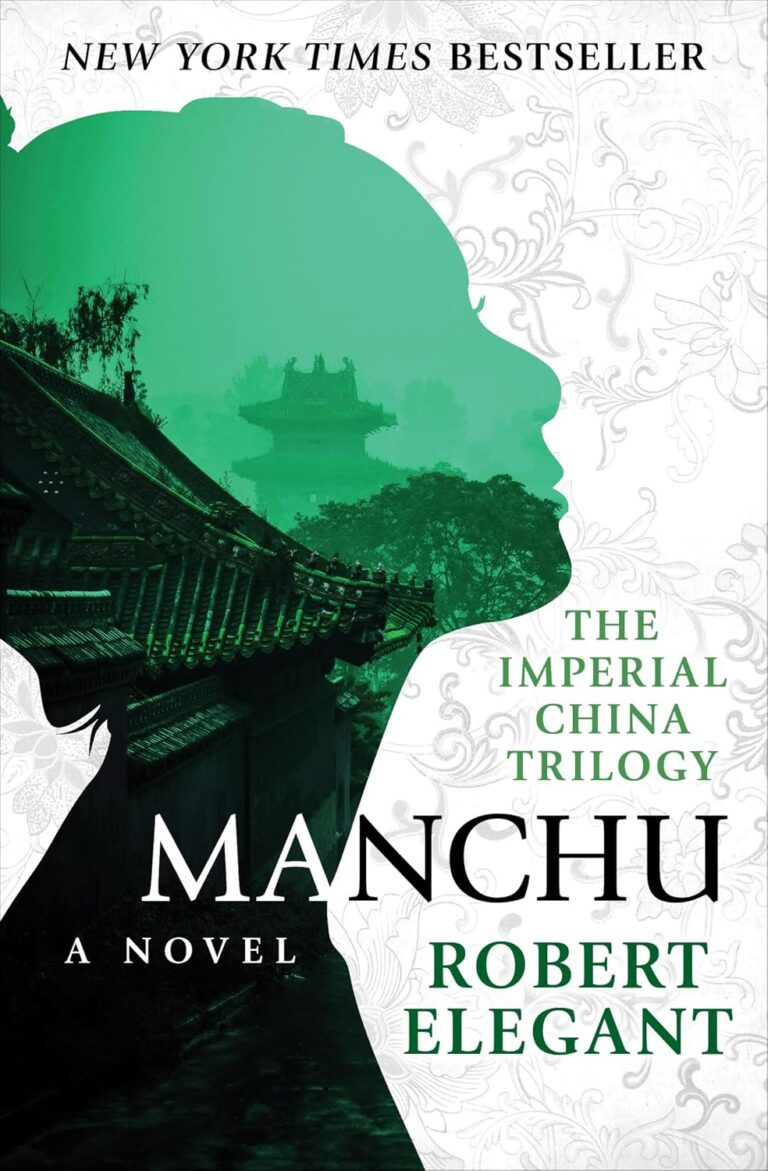
Robert Elegant’s Manchu places a fictional European artilleryman within this upheaval. The context is the most specific parent for fiction about the fall of the Ming, the Manchu conquest and the first consolidation of Qing government.
Books
Bestselling authors first, then star rating.