Minoan Crete was a Bronze Age civilisation centred on palace complexes such as Knossos, Phaistos, and Malia. It flourished through maritime trade, craft production, ritual display, and contacts across the eastern Mediterranean. Later Greeks transformed parts of this world into stories of King Minos, the Labyrinth, the Minotaur, and Theseus.
Minoan Crete matters because it shows that the Greek world did not begin with the classical polis. Its palaces, frescoes, religious imagery, and maritime networks suggest a sophisticated Aegean culture before the rise of Mycenaean power. The eventual weakening of Minoan dominance helped reshape the balance of power in the Bronze Age Aegean.
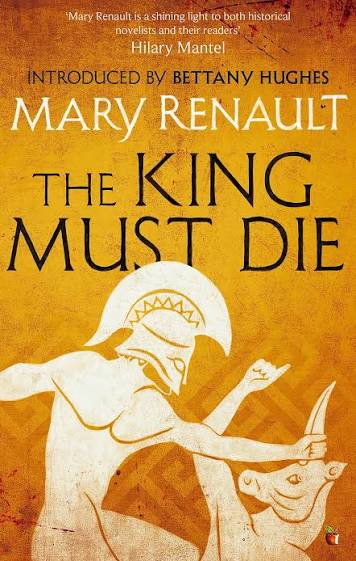
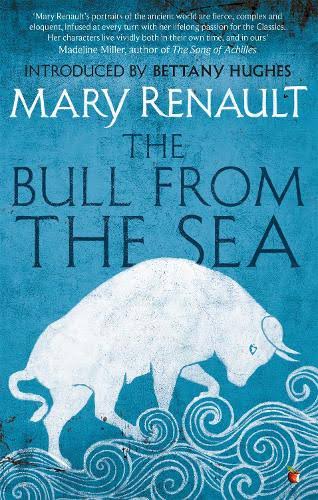
Minoan Crete is useful for novels that lean into archaeology, myth, ritual, and courtly mystery rather than formal classical history. Mary Renault’s The King Must Die and The Bull from the Sea turn the Theseus legend into a historically grounded Bronze Age narrative. This setting also works well for fiction about islands, priestesses, traders, palace politics, and the darker power of mythic memory.