Historical person
Pliny the Elder
23/24–79
Pliny the Elder, Gaius Plinius Secundus, was a Roman equestrian author and administrator born at Comum in northern Italy in 23 or 24 CE. He served as a cavalry officer in Germany, pursued legal and scholarly work at Rome and later held procuratorial posts under the Flavian emperors. A prodigiously disciplined reader and note-taker, Pliny wrote on military, grammatical and historical subjects, although only his thirty-seven-book Natural History survives complete. It attempted to gather the known world of astronomy, geography, zoology, botany, medicine, minerals and art into a single encyclopaedic survey.
By 79 CE Pliny commanded the Roman fleet at Misenum on the Bay of Naples. When Vesuvius erupted, he sailed across the bay, initially from scientific curiosity but then as part of an effort to assist people threatened along the coast. He reached Stabiae and died there, probably from the effects of the volcanic environment combined with underlying illness. His nephew Pliny the Younger later described the eruption and his uncle’s final journey in letters to Tacitus, providing one of antiquity’s most important eyewitness accounts of a natural disaster and securing Pliny’s image as both scholar and public servant.
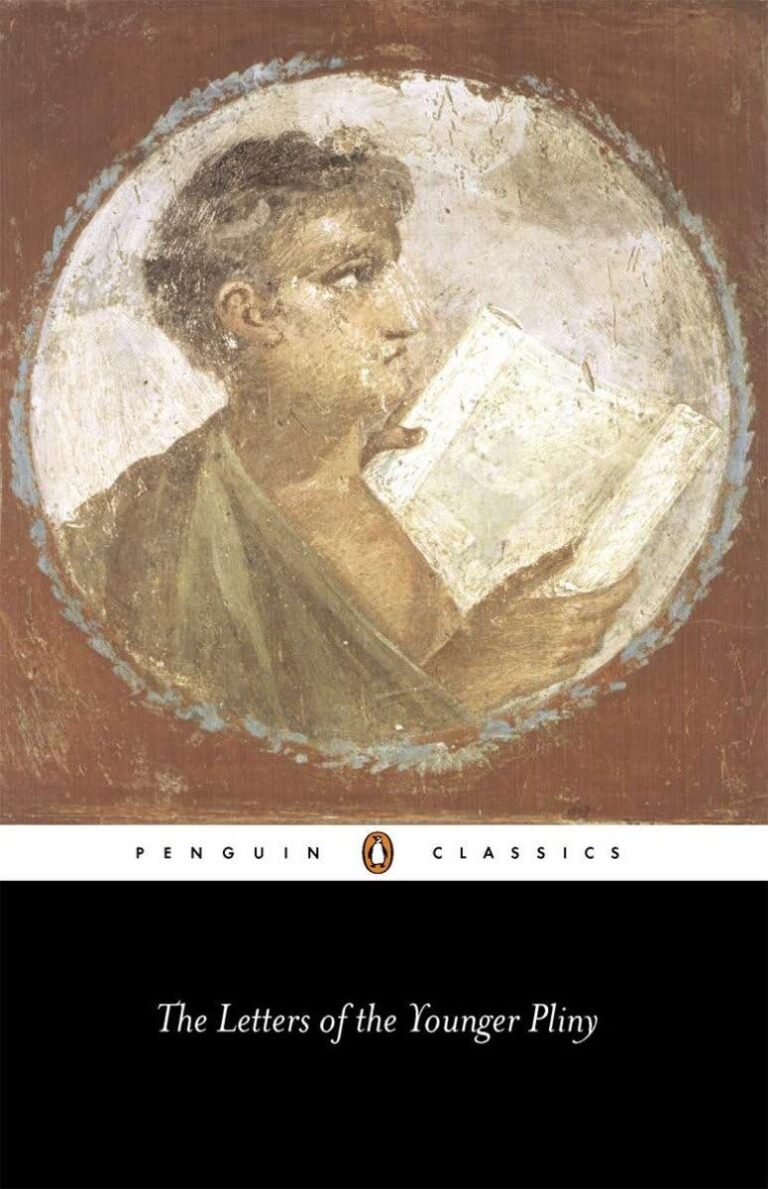
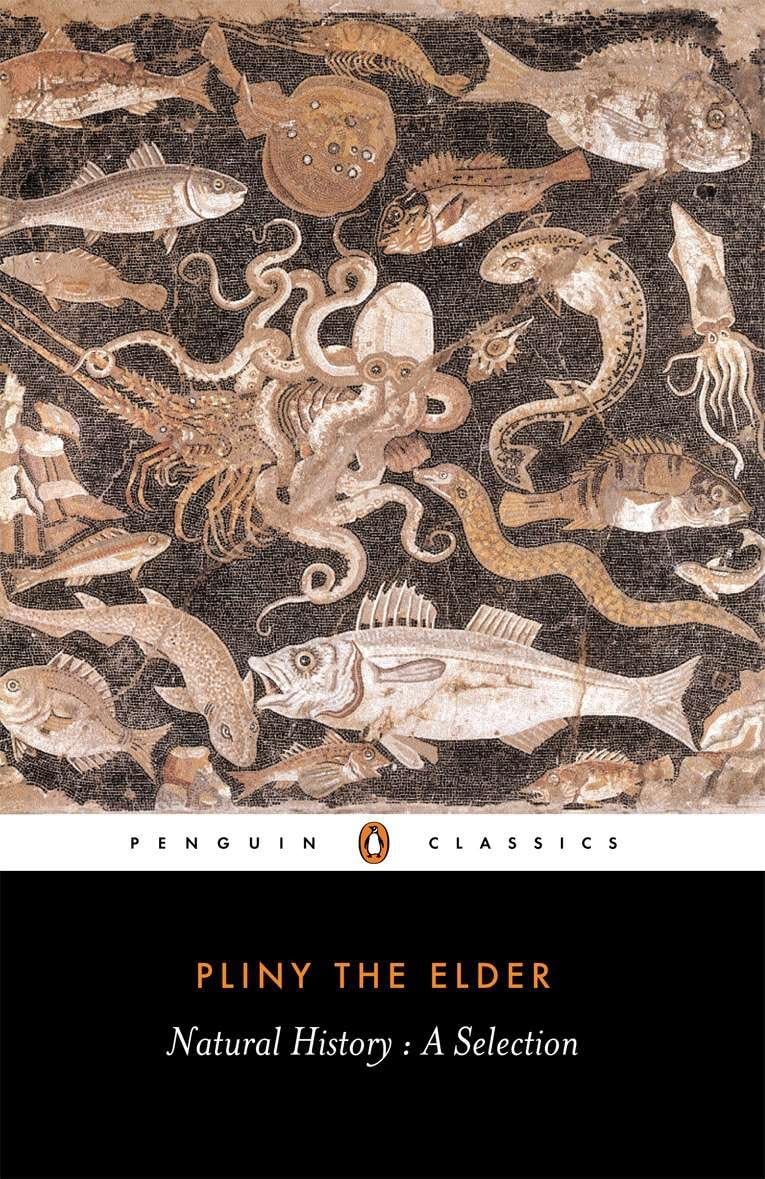
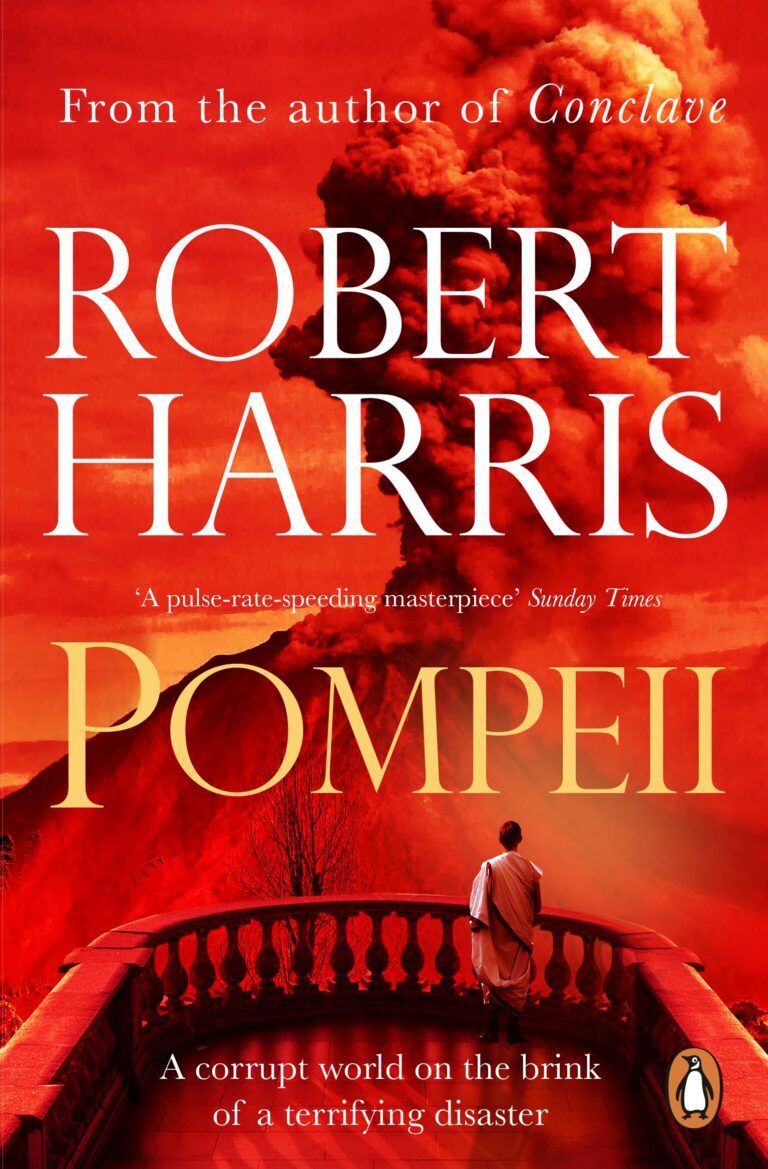
Pliny’s own Natural History is the central monument to his encyclopaedic curiosity, ranging across geography, zoology, medicine, art, minerals and the marvels of the Roman world. Robert Harris’s Pompeii makes Pliny a working historical character at Misenum, where his command of the fleet and scientific interest in Vesuvius draw him towards the eruption that kills him. The Letters of Pliny the Younger preserve the family testimony for those last hours, including the younger Pliny’s account of his uncle’s decision to cross the bay both to observe the phenomenon and to assist people trapped along the coast.
Standalone books
Standalone books featuring Pliny the Elder (1 book)
Non Fiction
Non Fiction featuring Pliny the Elder (3 books)
Biographies, histories and other non-fiction are listed separately from the historical novels above.