Historical person
Lysander
d. 395 BCE
Lysander was a Spartan naval commander whose victory brought the Peloponnesian War to an end. Backed by Persian money, he rebuilt Spartan sea power and destroyed the Athenian fleet at Aegospotami in 405 BC before imposing allied oligarchies across the Aegean.
After Aegospotami, Lysander oversaw the surrender of Athens and helped install oligarchic governments backed by Spartan power, including the Thirty at Athens. His influence became controversial even within Sparta, where other leaders sought to limit his personal network. He later supported the accession of Agesilaus II and returned to command during the Corinthian War, dying at Haliartus in 395 BC.
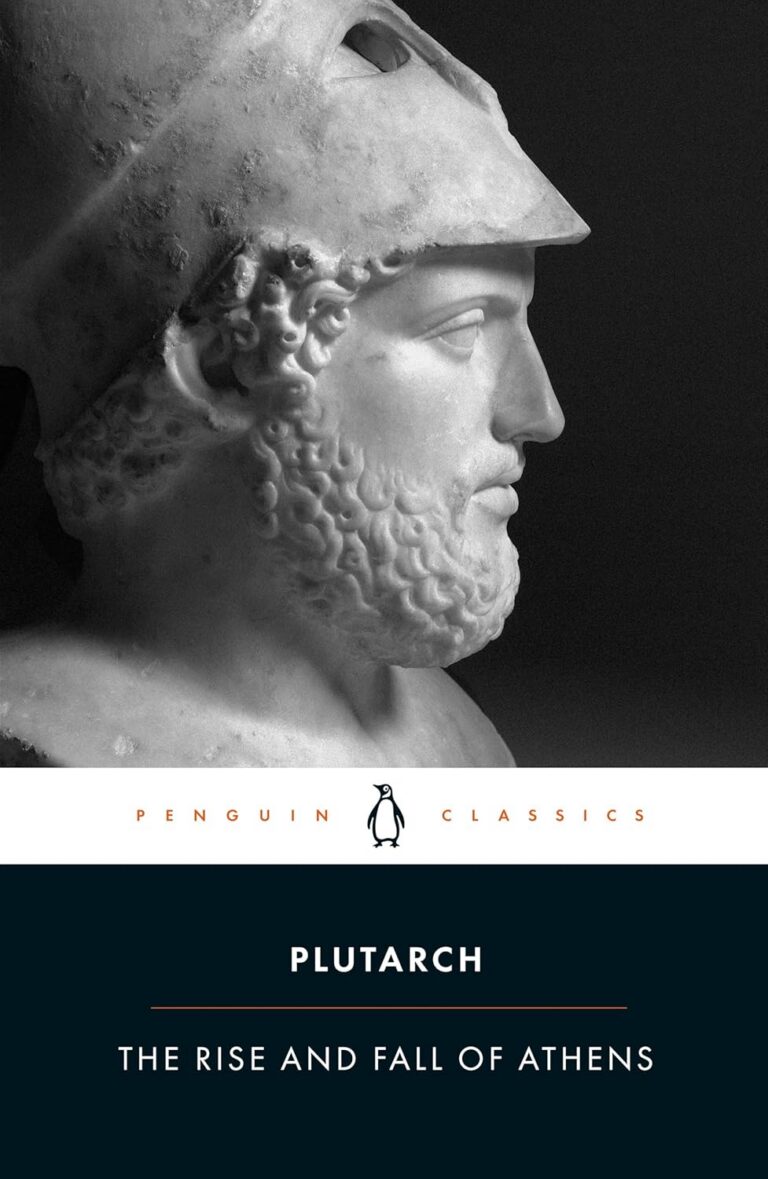
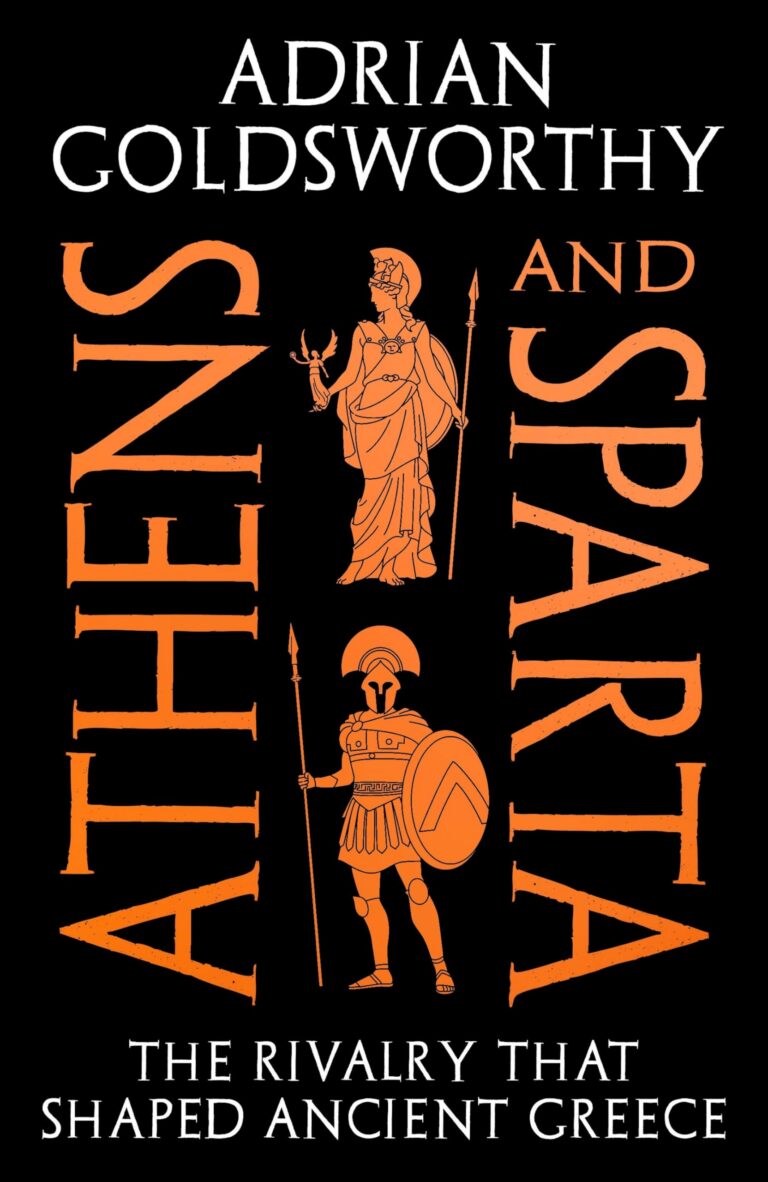
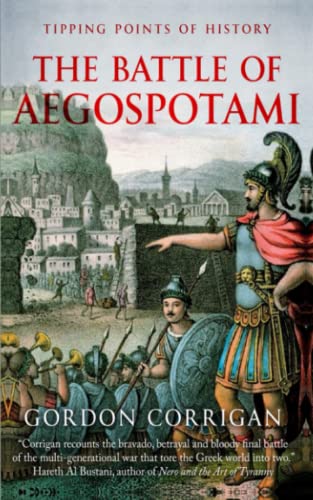
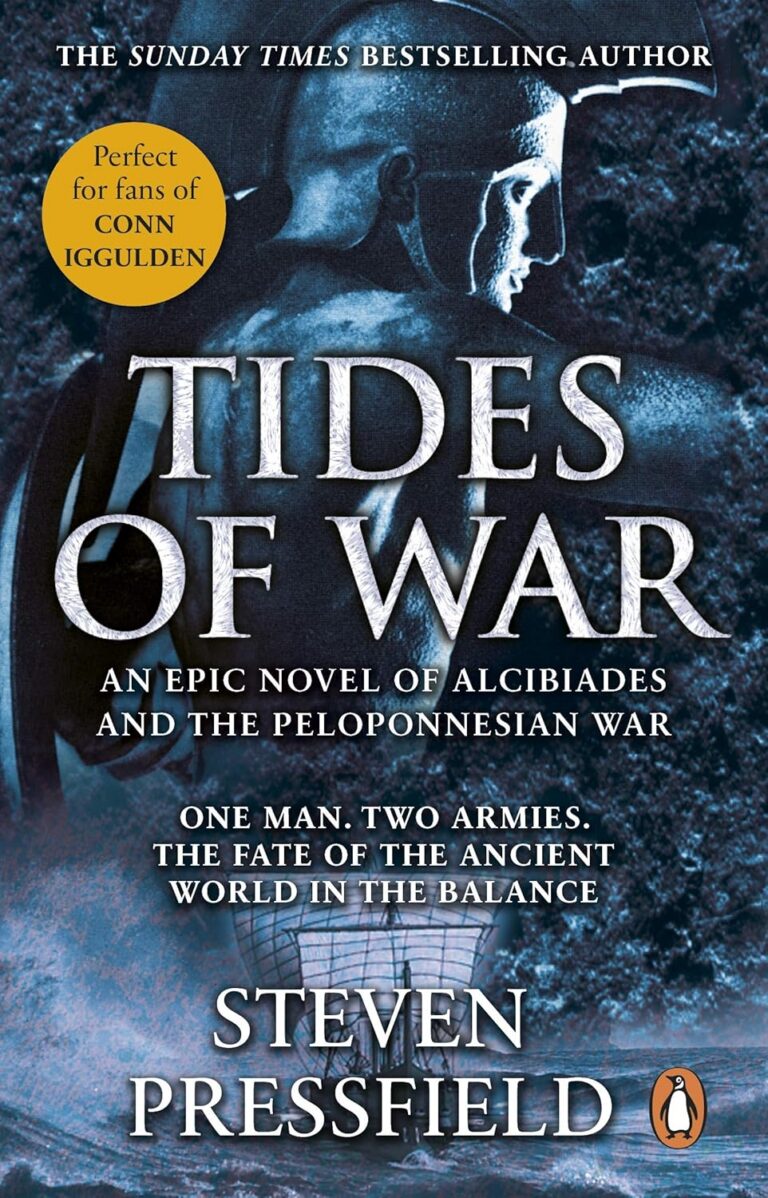
In Gordon Corrigan’s The Battle of Aegospotami, at Aegospotami the Spartan commander Lysander caught the Athenian navy in a vulnerable position and destroyed or captured almost the entire force. In Plutarch’s The Rise and Fall of Athens, this Plutarch collection gives biographical sources for Athens from legendary Theseus through Solon, Themistocles, Aristides, Cimon, Pericles, Nicias, Alcibiades and Lysander. Further fictional perspectives on Lysander can be found in Steven Pressfield’s Tides of War. For broader historical treatment of Lysander, see Adrian Goldsworthy’s Athens and Sparta.
Standalone books
Standalone books featuring Lysander (1 book)
Non Fiction
Non Fiction featuring Lysander (3 books)
Biographies, histories and other non-fiction are listed separately from the historical novels above.