Historical person
Plato
c. 420s BCE–c. 340s BCE
Plato was a Greek philosopher, student of Socrates and founder of the Academy in Athens. His dialogues shaped Western philosophy and political thought, and his links with Syracuse connect him to real attempts to influence rulers.
Plato founded the Academy at Athens, one of the ancient world's most influential centres of philosophical study. His dialogues use Socrates and other speakers to investigate ethics, politics, knowledge, rhetoric and metaphysics, while works such as the Republic and Laws examine competing forms of government and education. His thought profoundly influenced later Greek philosophy as well as Christian, Islamic and modern intellectual traditions.
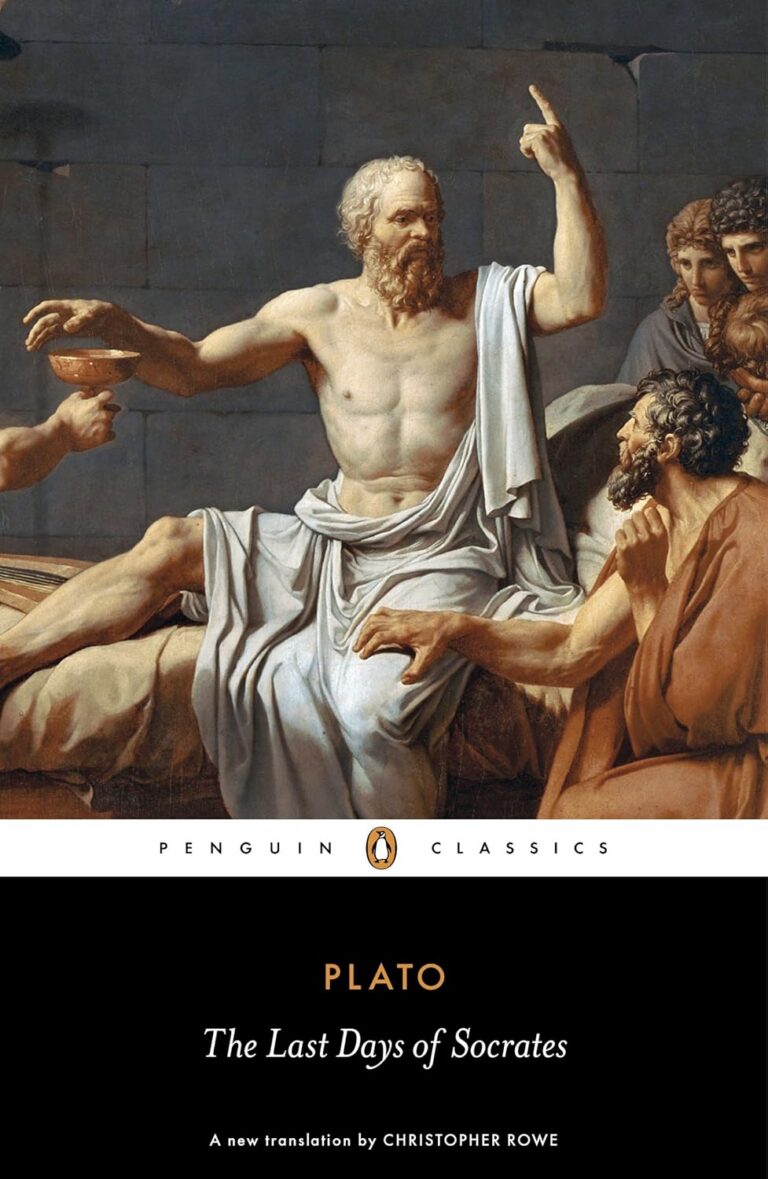
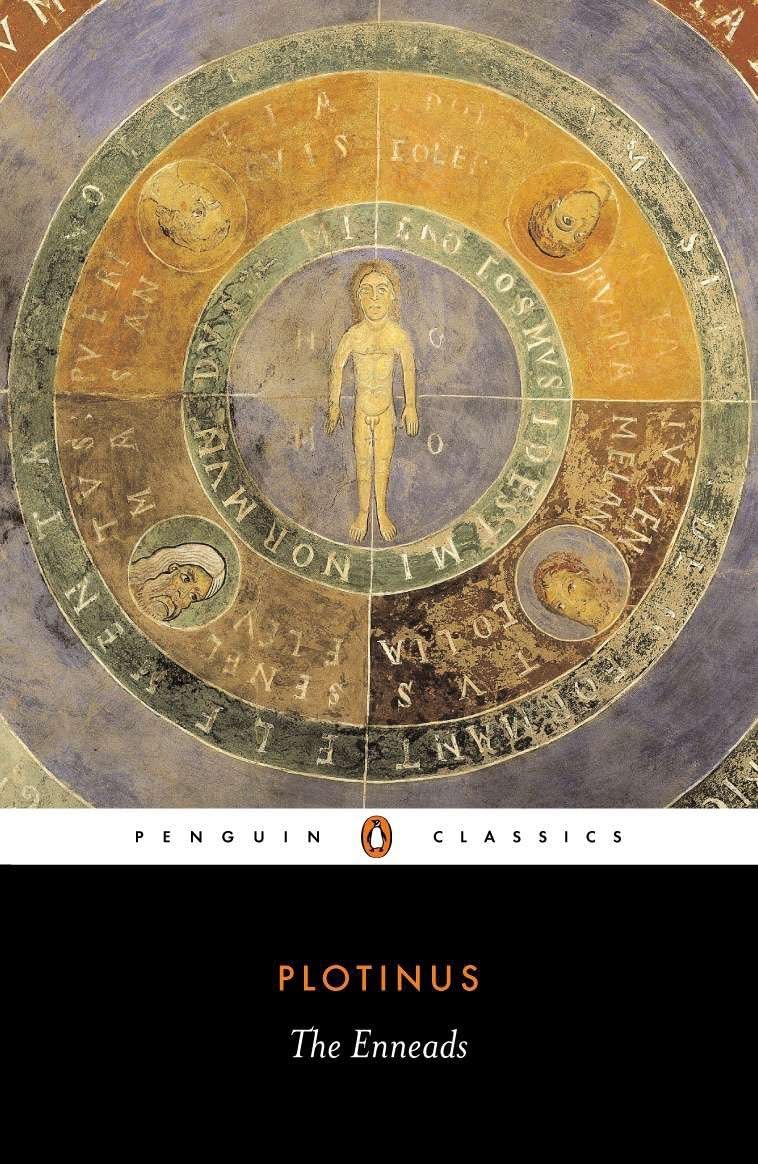
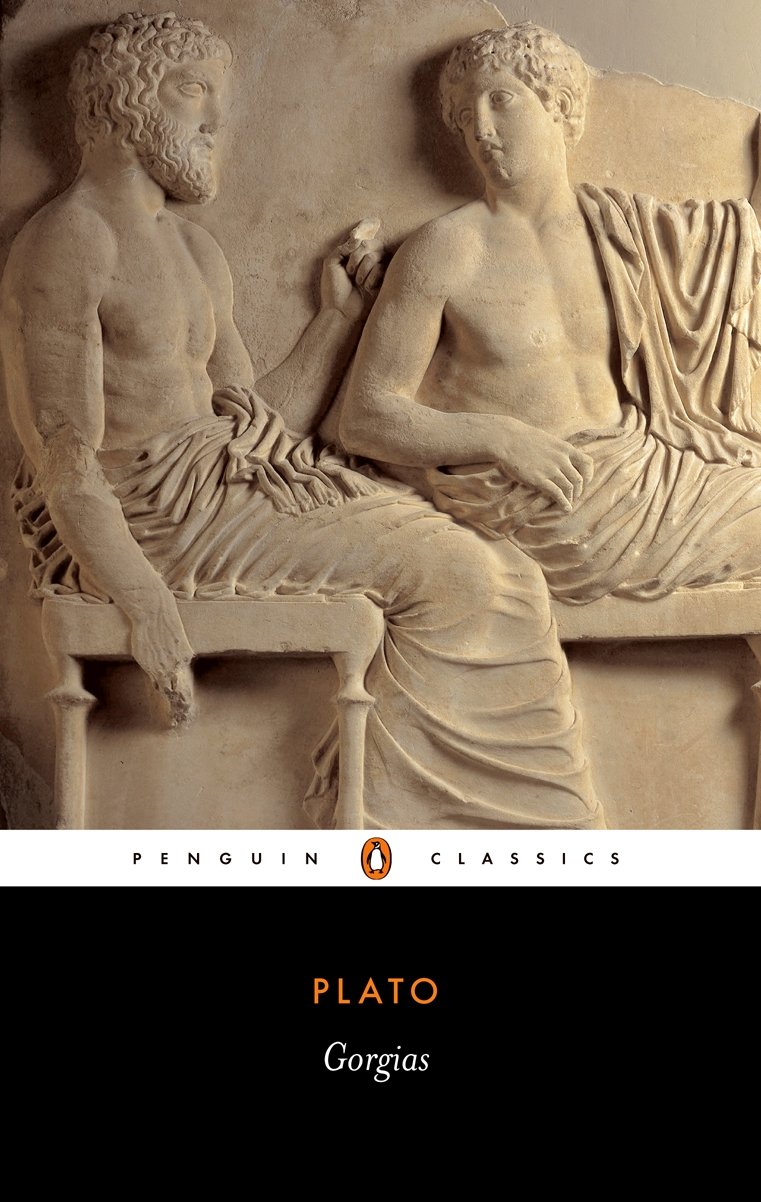
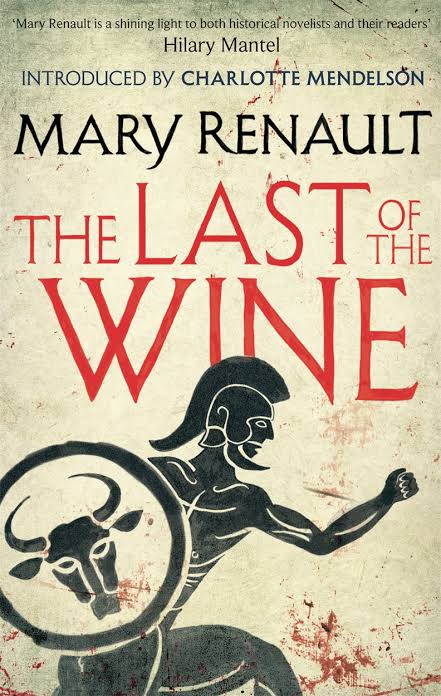
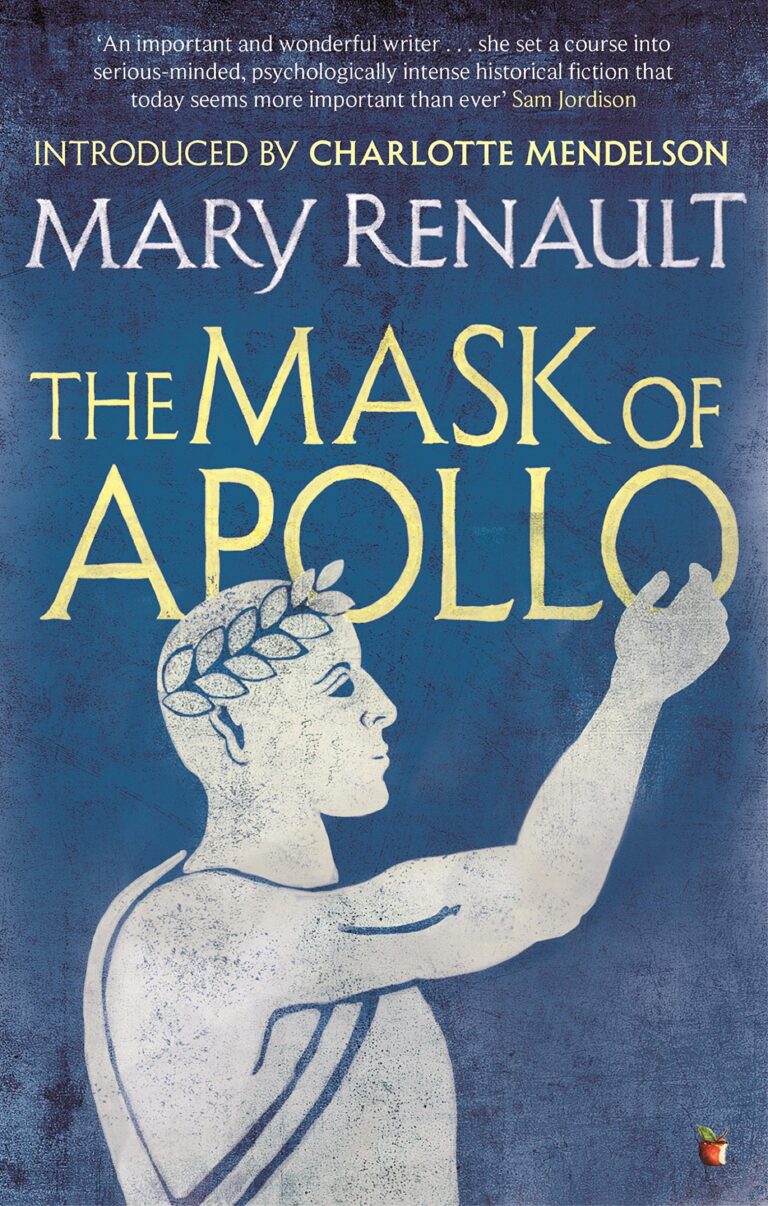
In Gorgias, Plato uses Socrates’ exchanges with rhetoricians and political men to test whether persuasion without justice can ever amount to genuine statesmanship. Symposium gives his philosophy of love and beauty dramatic form through a banquet conversation that culminates in Socrates’ account of Diotima and Alcibiades’ portrait of the philosopher. The Last Days of Socrates gathers the dialogues surrounding Socrates’ trial, imprisonment and death, preserving Plato’s most influential presentation of his teacher’s philosophical vocation. Mary Renault’s The Mask of Apollo turns Plato into a historical character whose attempt to educate Dionysius II at Syracuse exposes the limits of the philosopher-king ideal in practice. Plotinus’s The Enneads shows the later afterlife of Plato’s thought, developing Platonism into the metaphysical system now known as Neoplatonism.
Standalone books
Standalone books featuring Plato (2 books)
Non Fiction
Non Fiction featuring Plato (6 books)
Biographies, histories and other non-fiction are listed separately from the historical novels above.