Helen Fry is a British historian, biographer and author specialising in twentieth-century intelligence, espionage and the social history of the Second World War. She has written or edited more than twenty-five books and is particularly associated with research into the “secret listeners” who worked at British intelligence sites such as Trent Park, Latimer House and Wilton Park, where conversations between German prisoners of war were secretly recorded. She has also written extensively about the thousands of German and Austrian refugees who served with British forces, especially Jewish refugees who escaped Nazi persecution and later fought against Germany. Fry works closely with military-intelligence archives, appears regularly in documentaries and historical programmes, and serves as an ambassador for the National Centre for Military Intelligence and as a trustee of organisations concerned with intelligence history.
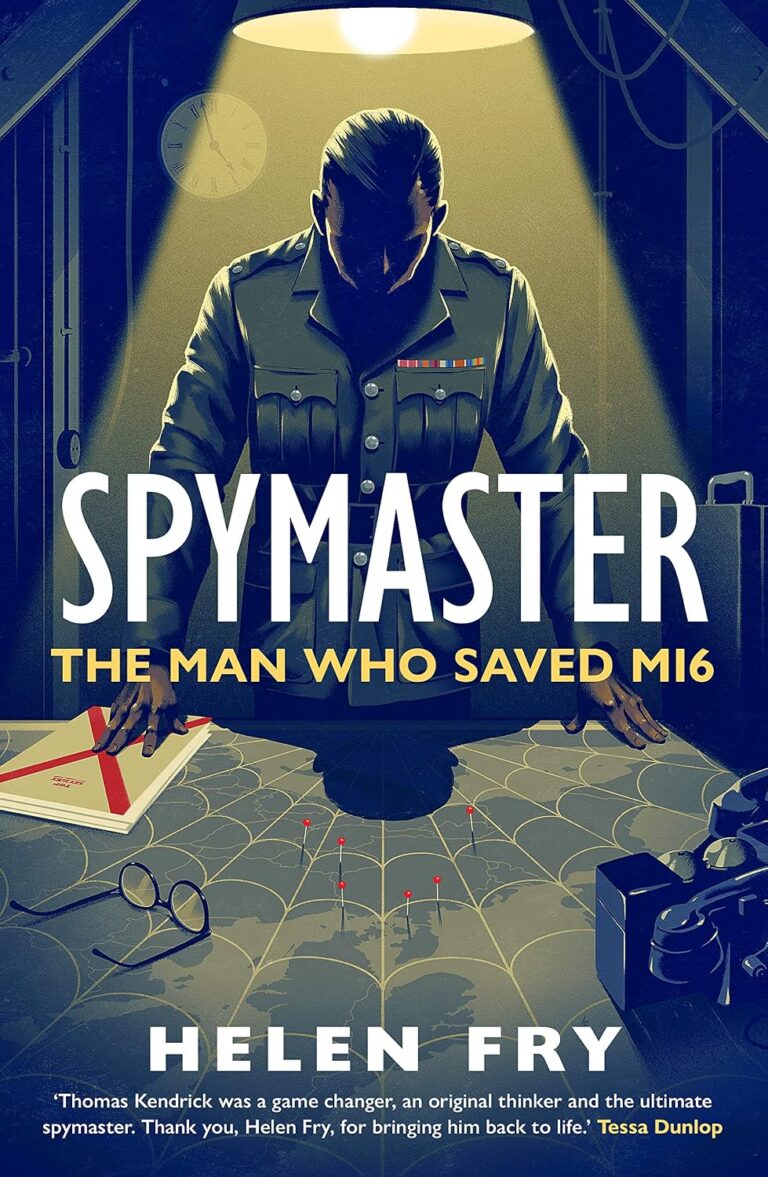
Her books concentrate strongly on the hidden intelligence war of the twentieth century. The Walls Have Ears reconstructs Britain’s wartime operation to bug German prisoners, while MI9: Escape and Evasion examines the organisation that helped Allied servicemen escape from occupied Europe. Spymaster: The Man Who Saved MI6 is a biography of intelligence officer Thomas Joseph Kendrick, and Women in Intelligence traces the frequently overlooked contribution of women to British intelligence across the two world wars. Other works include The London Cage, Churchill’s German Army, From Dachau to D-Day and Freuds’ War. More recently, The White Lady examines British intelligence networks operating in occupied Belgium during both world wars, while Nuremberg: The Translator’s Tale (2026) tells the story of German-Jewish refugee Howard Triest, who worked as a translator with psychiatrists interviewing leading Nazis imprisoned during the Nuremberg Trials. Fry’s books are historical non-fiction, particularly relevant to the Second World War, British intelligence, resistance networks, refugees and espionage.