Non-Fiction
1 Best Non-Fiction Book About Lambert Simnel Rebellion
Histories, biographies and reference works are listed separately from the historical novels above.

As an Amazon Associate I earn from qualifying purchases. Affiliate disclosure.
Phase
1486–1487
The Lambert Simnel Rebellion developed in the first years of Henry VII’s reign, when Yorkist opponents sought a figure around whom resistance to the new Tudor monarchy could gather. The boy later known as Lambert Simnel was trained to impersonate Edward Plantagenet, Earl of Warwick, a genuine Yorkist claimant who was actually imprisoned in the Tower of London. The scheme gained powerful backing from John de la Pole, Earl of Lincoln, Francis Lovell and Margaret of Burgundy, while leading Anglo-Irish nobles supported the cause in Ireland.
Simnel was crowned in Dublin as King Edward in May 1487. A rebel army containing Irish troops and continental mercenaries then landed in northern England and marched inland, but failed to attract enough English support. Henry VII’s forces defeated the invasion at the Battle of Stoke Field on 16 June 1487. Lincoln and other leaders were killed, while Simnel was captured and pardoned because of his youth.
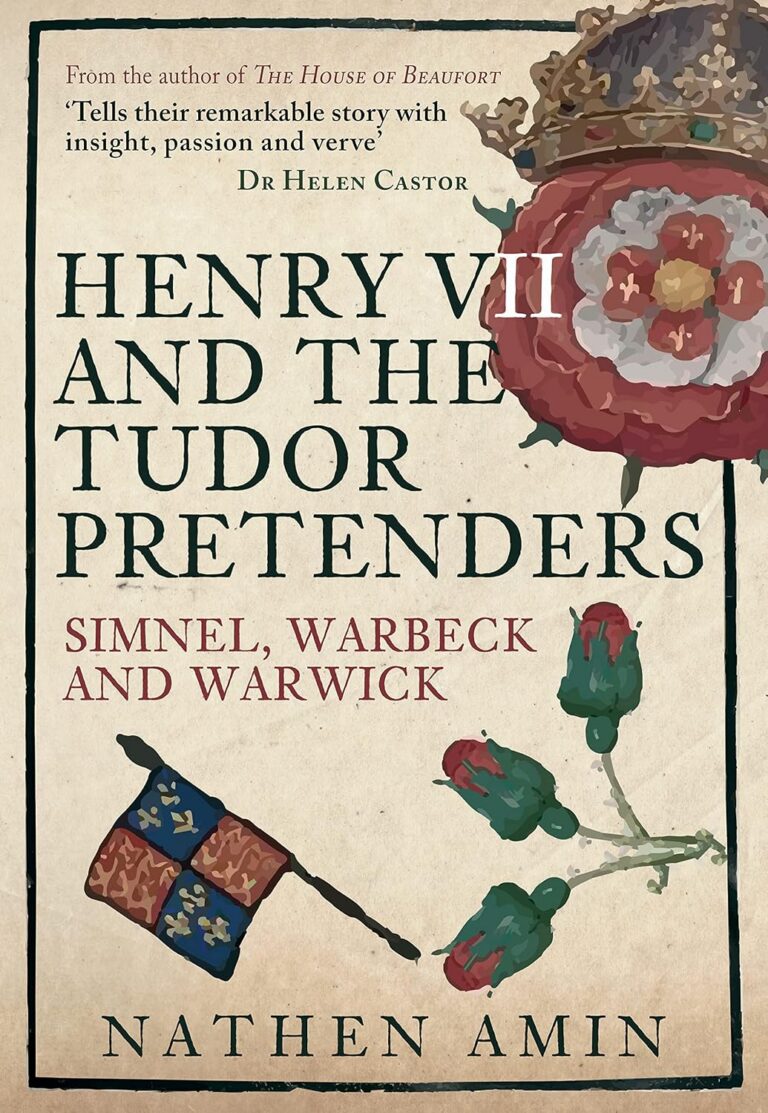
The rebellion was the first large-scale dynastic challenge to Henry VII and is often treated as the final major military episode of the Wars of the Roses. It is a useful context for books about Yorkist resistance, pretenders, early Tudor insecurity, Anglo-Irish politics and the Battle of Stoke Field. Nathen Amin’s Henry VII and the Tudor Pretenders examines the rebellion alongside the later Perkin Warbeck conspiracy.
Non-Fiction
Histories, biographies and reference works are listed separately from the historical novels above.