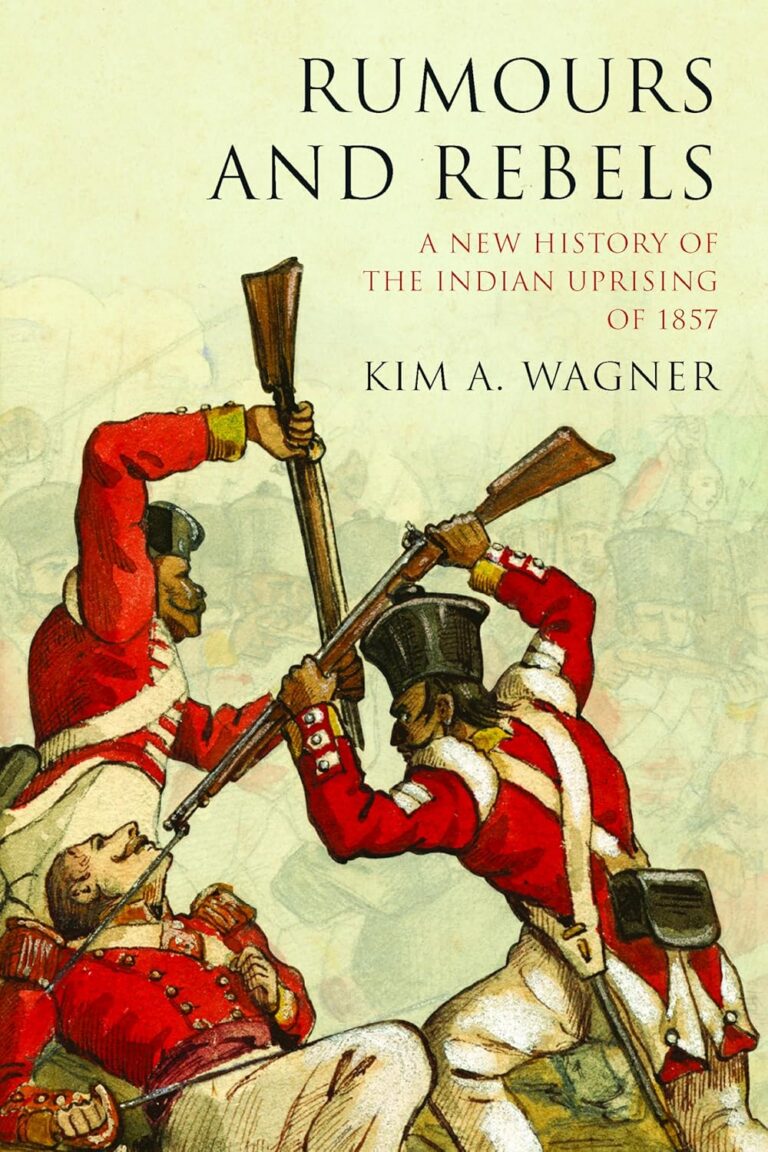
Kim A. Wagner is a historian of British imperialism and colonial India, specialising in resistance, violence, crime and the ways colonial authorities understood and responded to unrest. He is Professor of Global and Imperial History at Queen Mary University of London. His research focuses particularly on nineteenth- and early twentieth-century South Asia, examining subjects such as Thuggee, the Indian Rebellion of 1857, colonial counterinsurgency and the Amritsar Massacre. Wagner’s work often challenges simplified accounts of British rule by concentrating on fear, racial attitudes, rumours and the coercive methods used to maintain imperial authority.
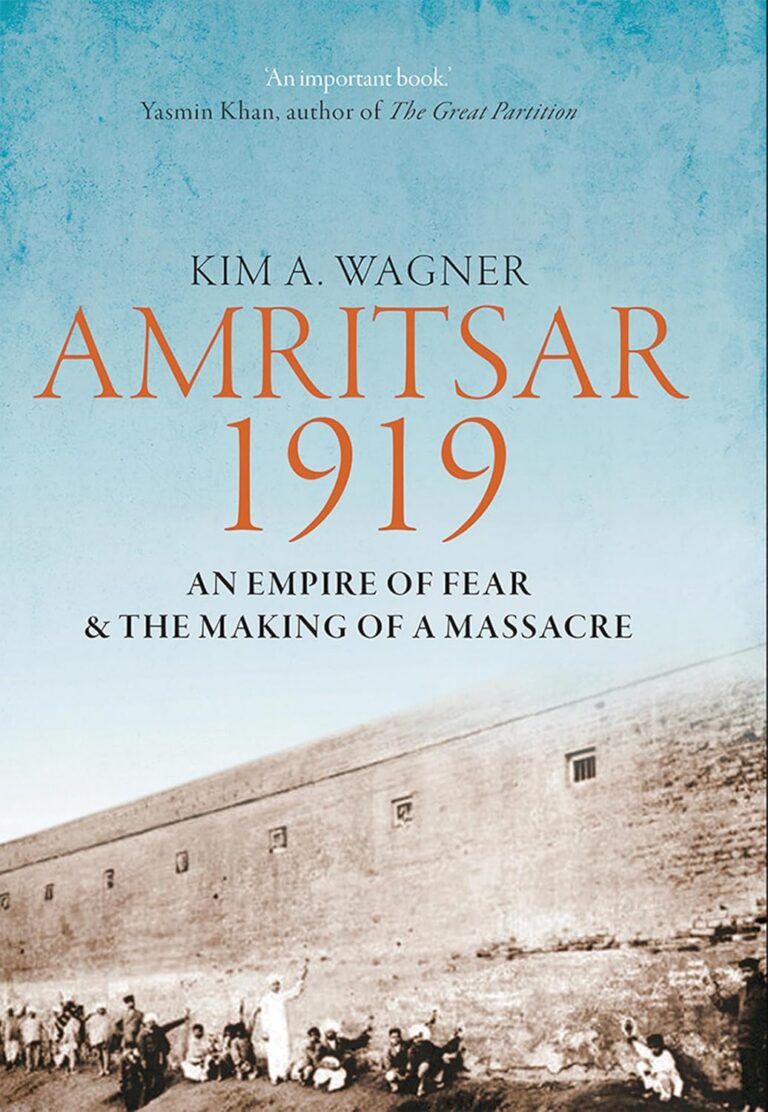
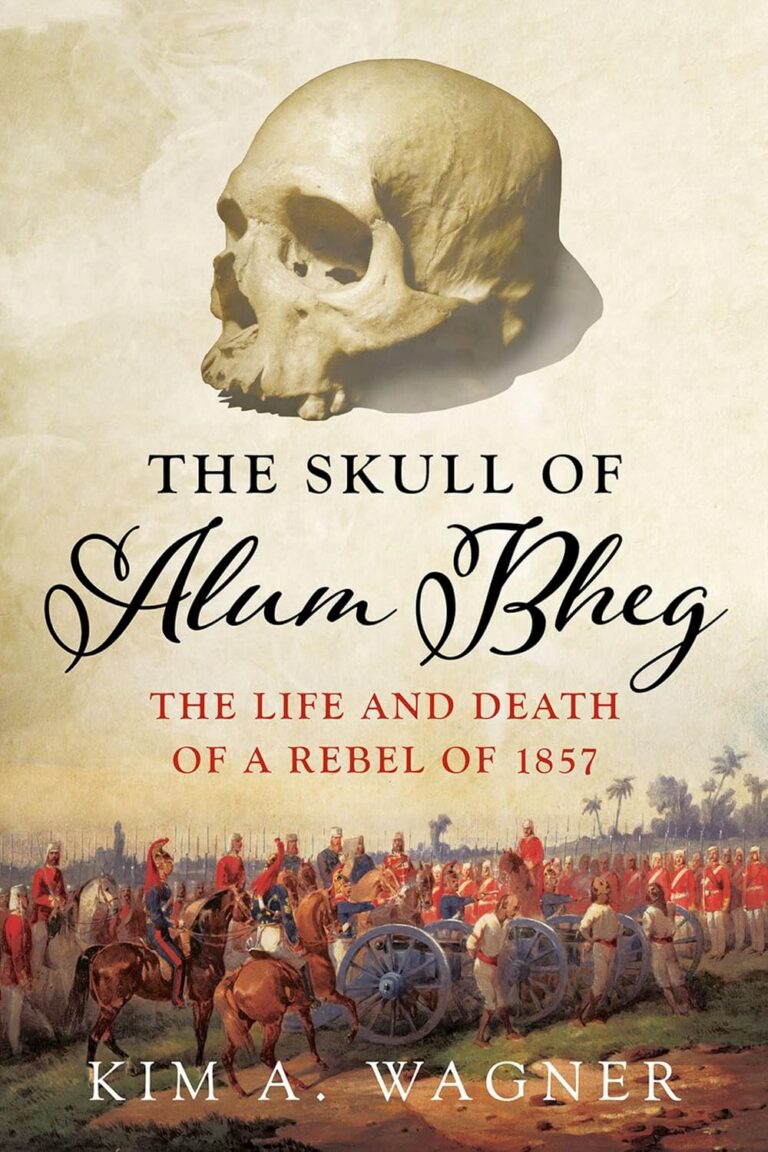
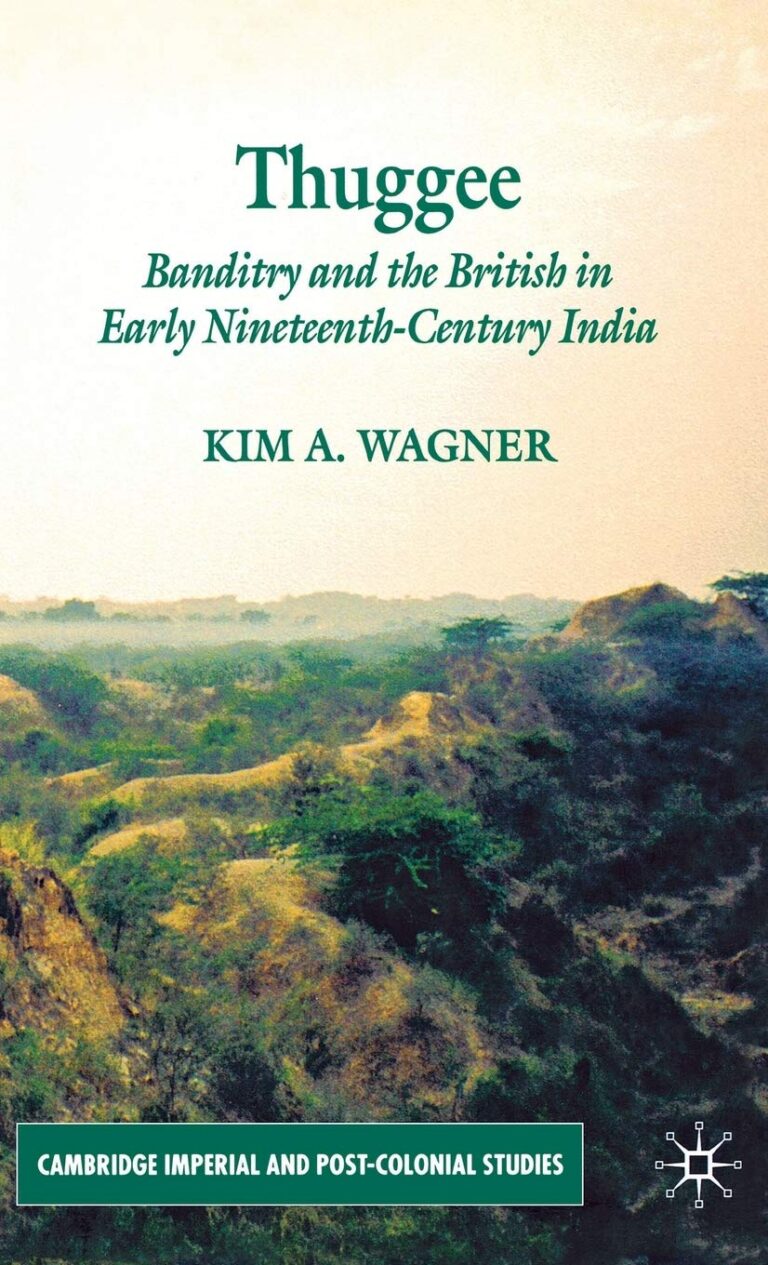
His books include Thuggee: Banditry and the British in Early Nineteenth-Century India, which examines the British campaign against supposedly organised networks of stranglers and robbers, and The Great Fear of 1857: Rumours, Conspiracies and the Making of the Indian Uprising, which explores how suspicion and circulating rumours helped turn military discontent into a major rebellion. The Skull of Alum Bheg reconstructs the life and execution of an Indian soldier involved in the 1857 uprising through the extraordinary survival of his skull as a British war trophy. Amritsar 1919: An Empire of Fear and the Making of a Massacre examines the political tensions and colonial anxieties that culminated in the Jallianwala Bagh massacre. Wagner has also edited Stranglers and Bandits, an anthology of sources on Thuggee, and an Oxford World’s Classics edition of Philip Meadows Taylor’s Confessions of a Thug.