c. 1815–1897
Henry Brown was born enslaved in Virginia and worked in Richmond. After his wife Nancy and their children were sold away, he planned an escape with assistance from James C. A. Smith and Samuel Smith. In March 1849 he was enclosed in a wooden crate and shipped by express freight to abolitionists in Philadelphia.
Brown emerged as a public abolitionist performer and speaker, adopting “Box” as part of his name. Concern after the passage of the Fugitive Slave Act led him to Britain, where he continued performing before later returning to North America.
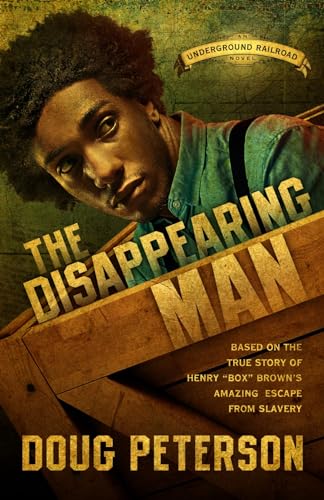
In Doug Peterson’s The Disappearing Man, Henry Brown endures urban slavery in Richmond and the destruction of his family when his wife and children are sold away. With conventional routes blocked, he agrees to an extraordinary plan: he will be sealed inside a wooden shipping crate and sent by express freight to abolitionists in Philadelphia. The journey subjects Brown to darkness, suffocation, pain and the possibility that rough handling will kill him before the box is opened.