William Craft was born enslaved in Macon, Georgia, and worked as a cabinetmaker. In 1848 he escaped with his wife Ellen, travelling as the servant of the white male identity she assumed. He managed tickets, luggage and practical arrangements while maintaining the outward behaviour expected of an enslaved attendant.
The Crafts settled first in Boston, where they spoke publicly against slavery, and then moved to Britain after passage of the Fugitive Slave Act. They published Running a Thousand Miles for Freedom and returned to the United States after the Civil War, where they attempted educational and agricultural work in Georgia.
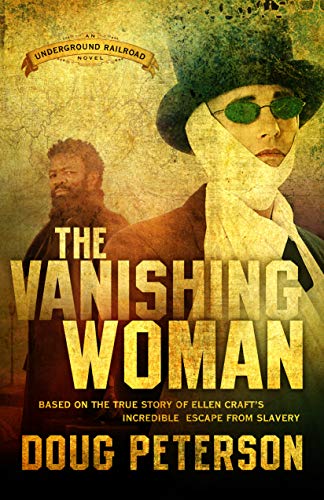
In Doug Peterson’s The Vanishing Woman, Ellen Craft disguises herself as a sickly white male planter and travels openly from Georgia with her husband William posing as the enslaved servant of his supposed master.