Miriam is a biblical figure presented in Exodus and Numbers as the sister of Aaron and Moses and as a prophet within Israel’s escape from Egypt. In Exodus 15 she leads the women with timbrels after the crossing of the sea and is associated with one of the oldest poetic passages in the Hebrew Bible. Numbers 12 describes Miriam and Aaron challenging Moses and recounts her temporary exclusion from the camp after she is struck with a skin disease; Numbers 20 places her death at Kadesh.
Miriam’s significance is therefore primarily textual and religious rather than biographically recoverable in the normal historical sense. No contemporary Egyptian or other independent evidence securely identifies her, and scholarly debate over the date, composition and historical background of the Exodus traditions prevents a defensible exact lifespan. Later Jewish interpretation greatly expanded her role, including traditions surrounding a life-giving well. A responsible historical entry should preserve the distinction between what the biblical texts say, later religious tradition and claims that can be independently verified.
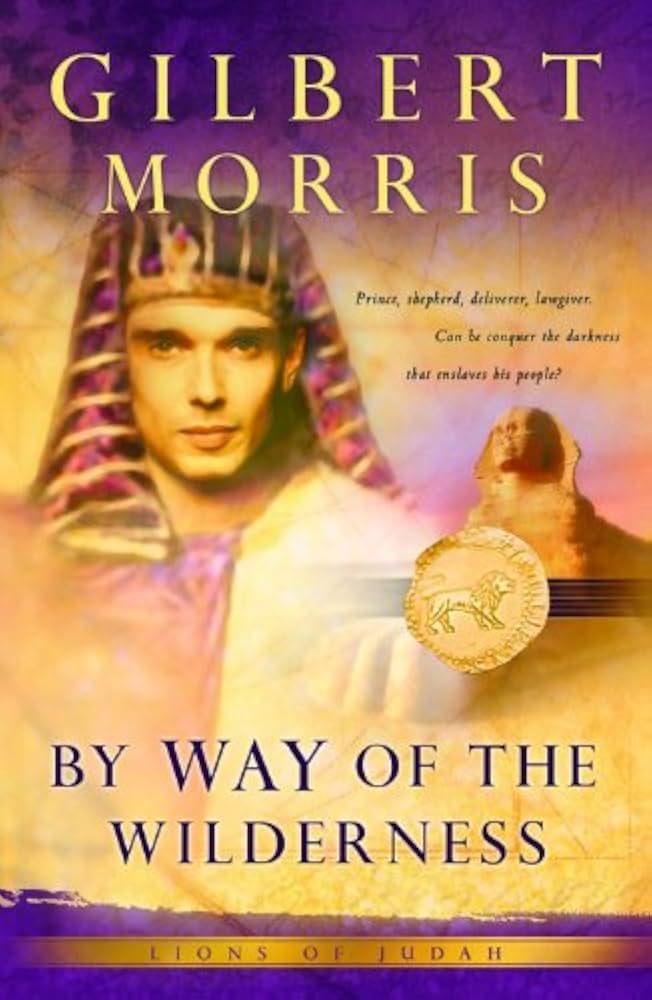
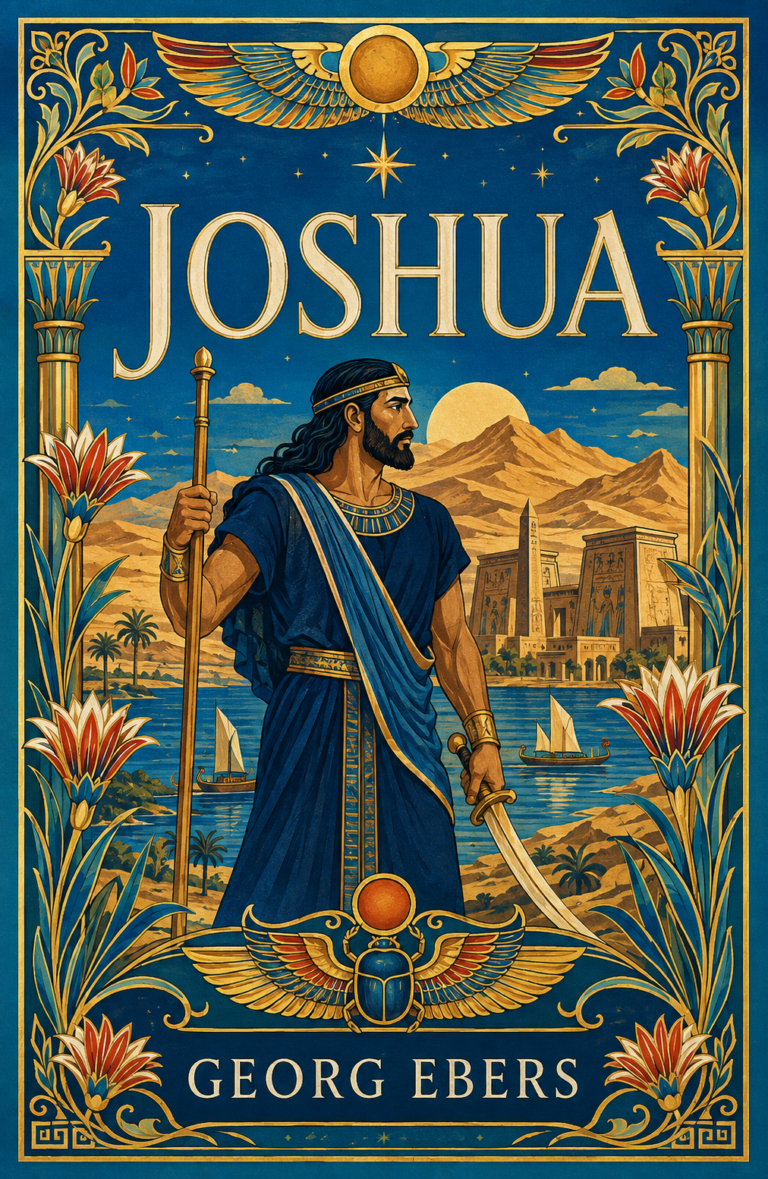
Gilbert Morris’ By Way of the Wilderness, Georg Ebers’ Joshua and Angela Hunt’s The Shadow Women all retell the Exodus world through historical or biblical fiction. Miriam appears as Moses’ sister, prophet and participant in Israel’s departure from Egypt, with Hunt giving particular attention to the women around Moses. These novels necessarily supply dialogue, psychology and chronology beyond the biblical text, so their portrayals belong to imaginative reception rather than independent evidence for Miriam’s life.