
Book
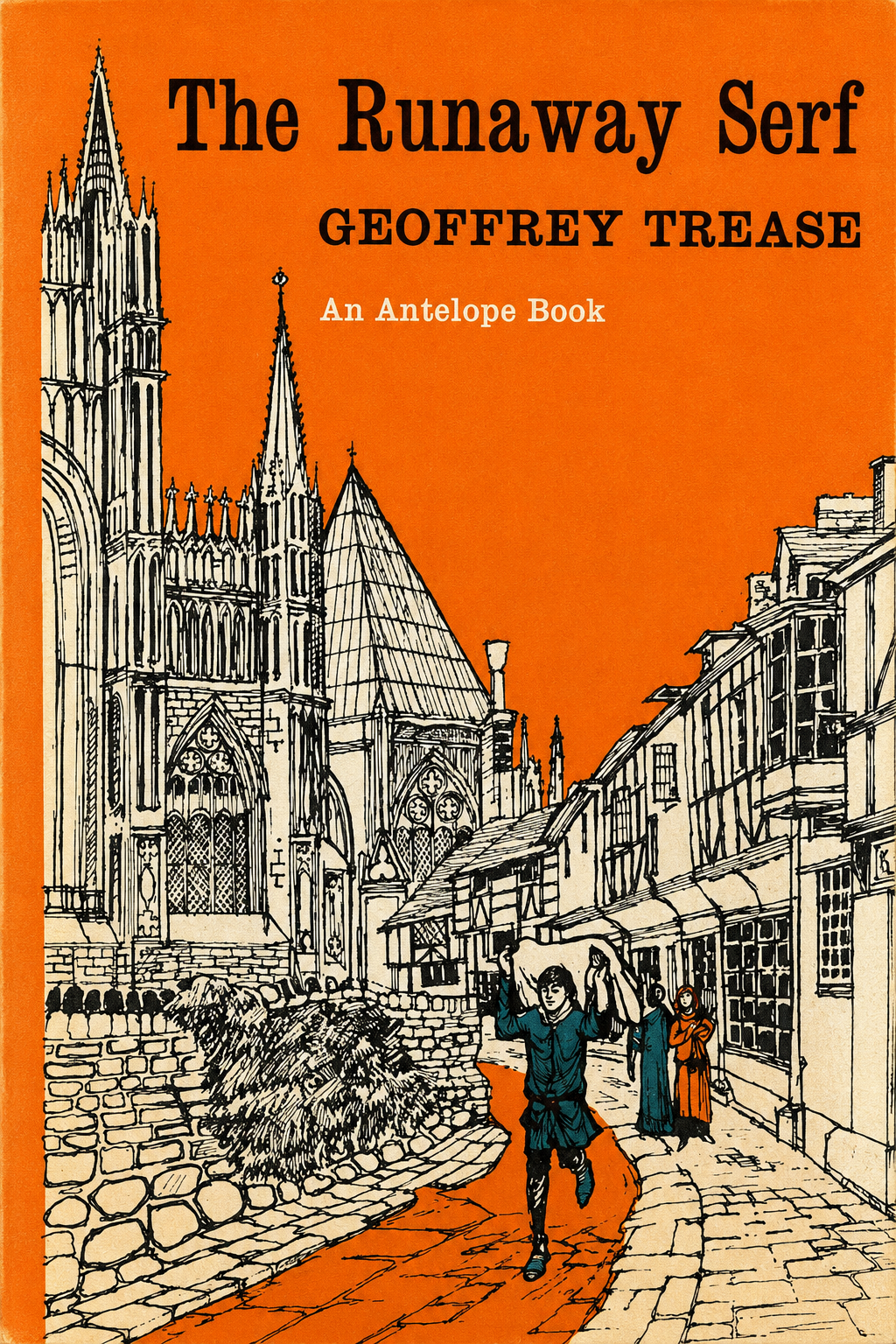
The Runaway Serf
First published 1968
A young serf flees a manor and tries to survive beyond the authority of the lord who claims his labour. Roads, markets and towns offer possible freedom but also the risk of recognition and capture.
Trease uses the pursuit to explain customary obligations, manorial justice and the limited opportunities available to the rural poor. The book makes medieval social structure visible through work, movement and the legal meaning of freedom.
The flight exposes the sharp distinction between movement and legal freedom. A serf may physically leave a manor, yet lordship, custom and local recognition can follow him into neighbouring communities. Markets and towns offer anonymity but also officials, employers and witnesses who may return him.
Through the pursuit, the novel explains how medieval dependence worked in practice rather than as an abstract social category. Work, tolls, shelter and the need for protection determine whether escape can become a new life or merely a temporary absence before capture.
More from this period
5 more top-rated novels about High Medieval
Ranked by rating and voting volume; books already shown on this page are omitted.



More by the author
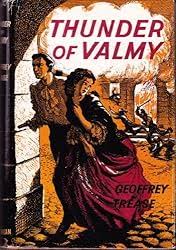
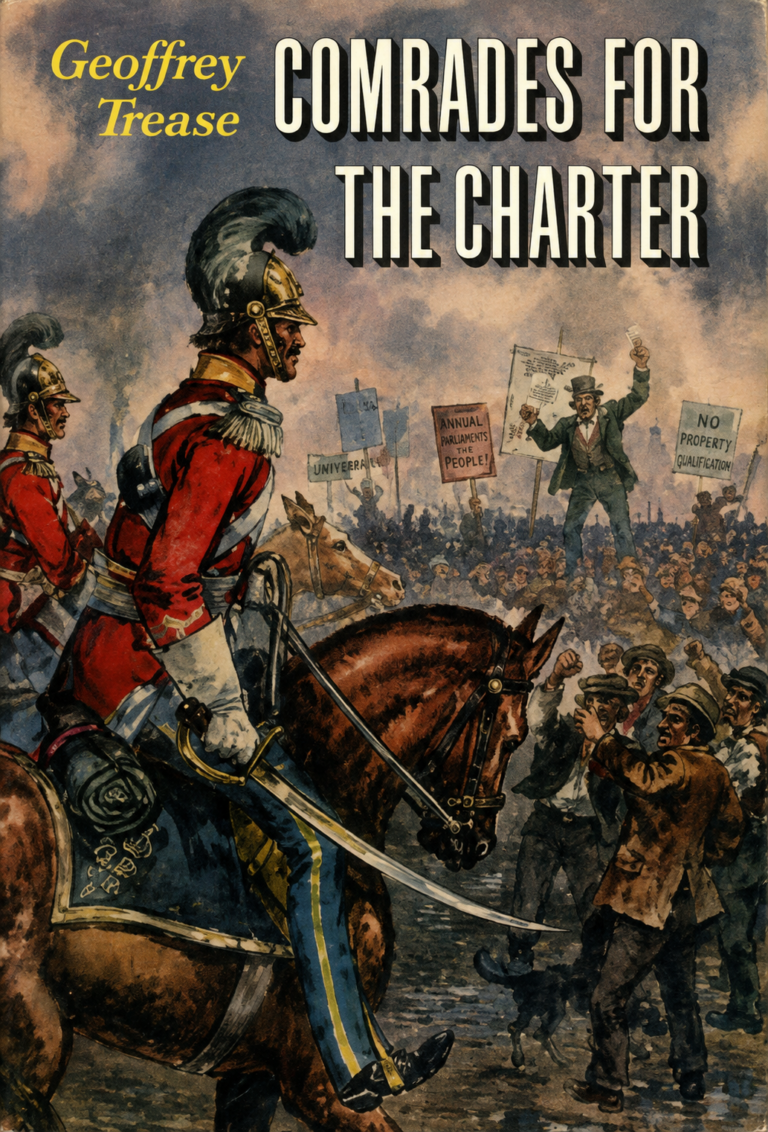
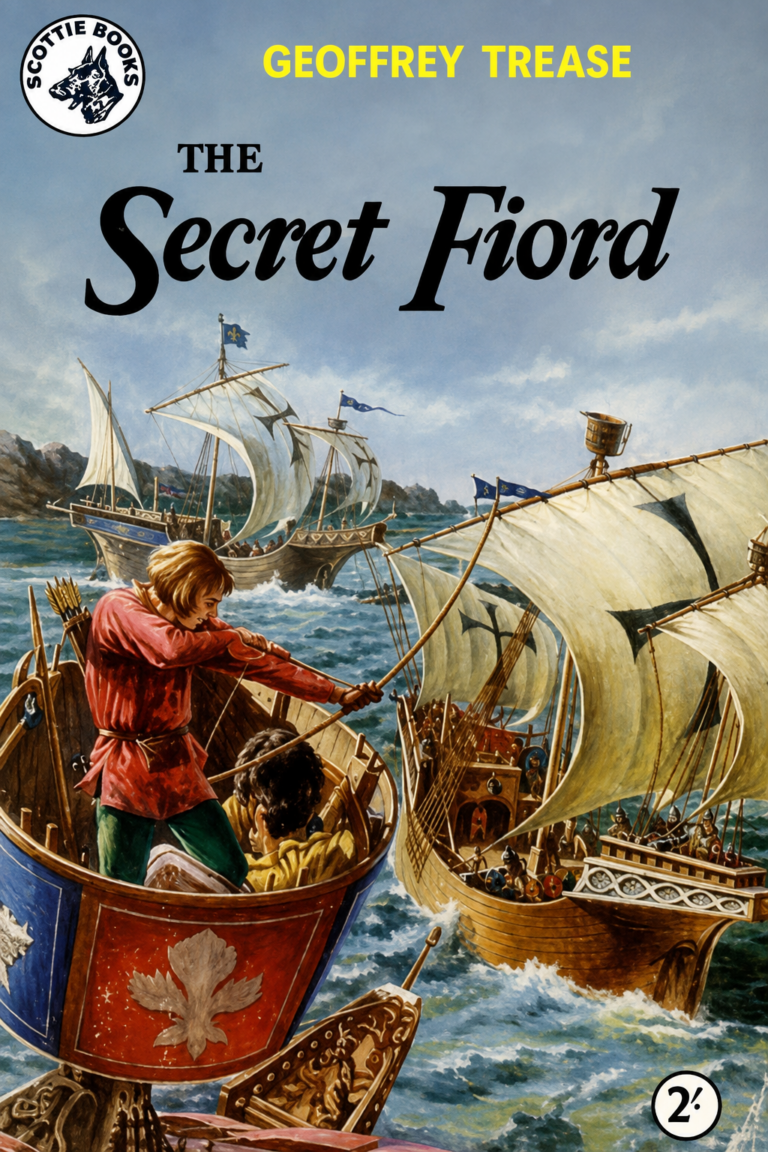
Other books by Geoffrey Trease
Discover more
Authors similar to Geoffrey Trease
Recommended from shared genres and periods.
 Gilbert Morris
104 books
Gilbert Morris
104 books
 Richard Woodman
37 books
Richard Woodman
37 books
 David Field
46 books
David Field
46 books
 Philippa Gregory
32 books
Philippa Gregory
32 books
 Ken Follett
16 books
Ken Follett
16 books