c. 1054–1111
Bohemond I was the eldest son of the Norman conqueror Robert Guiscard and an experienced commander in the wars of southern Italy and the Byzantine Empire. He joined the First Crusade with a Norman contingent and became one of its most capable and ambitious leaders.
During the siege of Antioch he negotiated with Firouz, whose cooperation allowed crusaders to enter the city in June 1098. Bohemond claimed Antioch and remained there rather than continuing with the main army to Jerusalem. His principality became a major crusader state but also brought conflict with Byzantium and neighbouring powers.
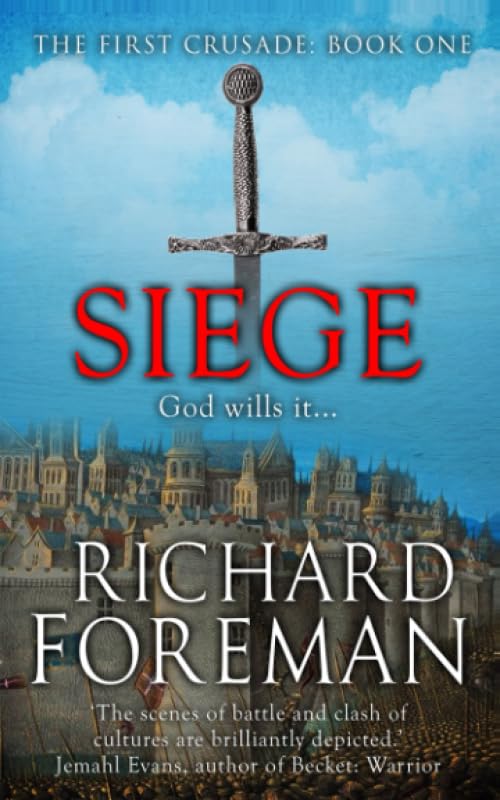
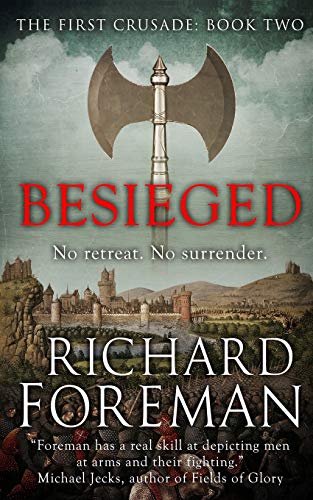
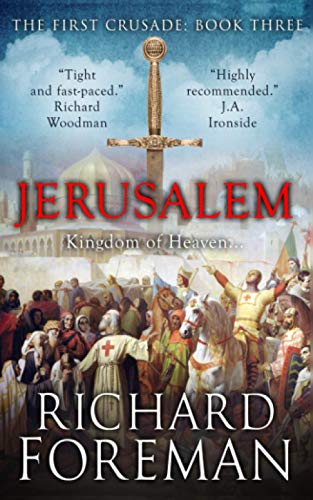
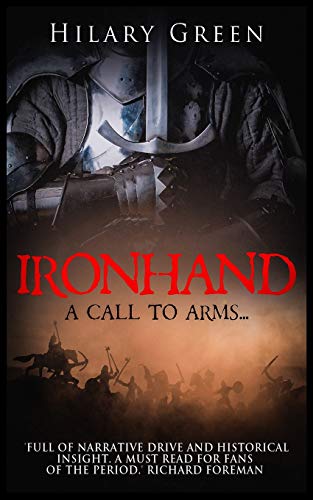
Richard Foreman’s Siege makes Bohemond of Taranto the crusader leader who learns that Antioch may be taken through an insider and sends Edward Kemp to arrange the betrayal, while rival princes already calculate who will control the city after victory. Besieged follows him after that success, when Kerbogha’s relief army traps the starving crusaders inside Antioch and Bohemond argues that they must risk battle before the army disintegrates. Foreman’s Fight or Die returns to Bohemond on the eve of the First Crusade through one of its Edward Kemp stories, showing the relationship before Antioch becomes the prize. Hilary Green’s Ironhand places Bohemond within the Mediterranean world of crusaders, merchants, mercenaries and captives through which Ranulph of Erbistock’s fortunes repeatedly rise and collapse.