
Historical person
John Locke
1632–1704
John Locke was an English philosopher and physician whose writings became foundational to modern debates about knowledge, government, toleration and individual rights. Born in Somerset in 1632 and educated at Westminster and Oxford, he became associated with the politician Anthony Ashley Cooper, later Earl of Shaftesbury. Locke worked as physician, adviser and administrator within Shaftesbury’s circle and became involved in the political conflicts of Restoration England, eventually spending several years in exile in the Dutch Republic.
Locke’s Essay Concerning Human Understanding argued that human knowledge develops from experience rather than innate ideas, while the Two Treatises of Government defended political authority as grounded in consent and natural rights rather than absolute monarchy. His Letter Concerning Toleration made a powerful case for broad religious toleration, although with limits typical of his period. Locke returned to England after the Glorious Revolution of 1688. His ideas profoundly influenced Enlightenment political thought and later constitutional traditions, while his involvement with colonial administration and investment has prompted renewed scrutiny of the relationship between liberal theory and empire.
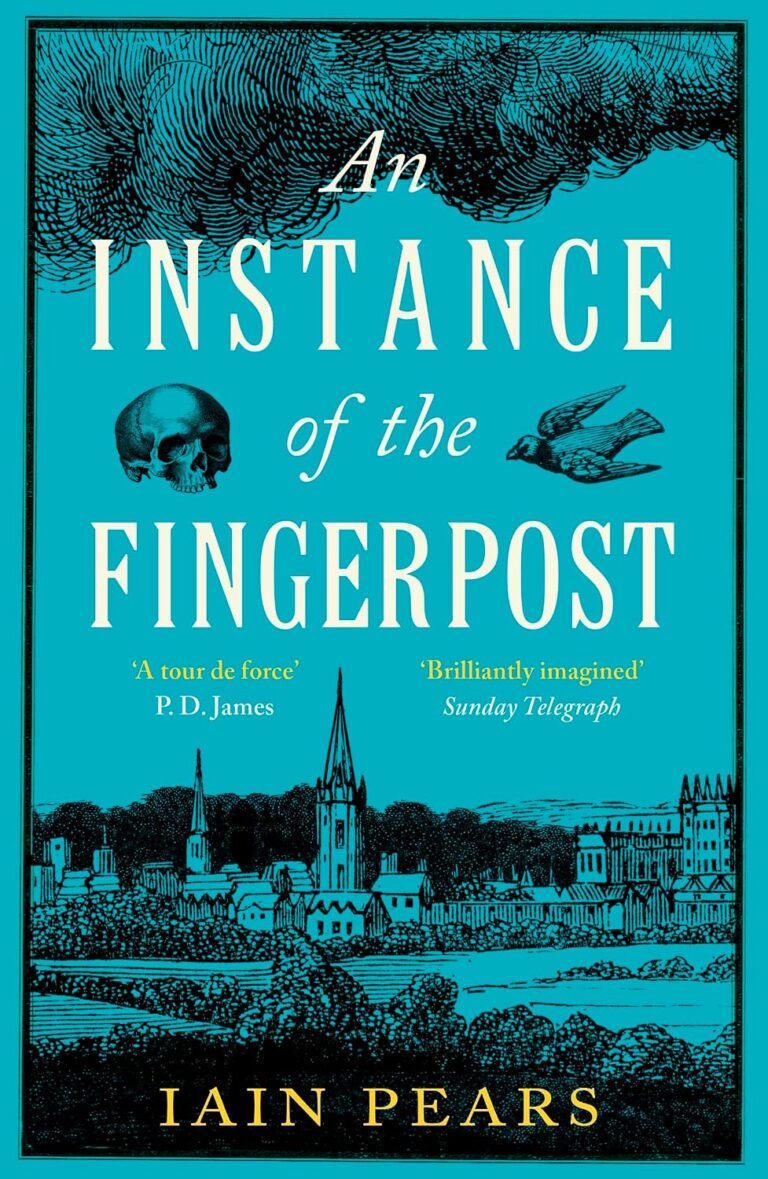
In Iain Pears’ An Instance of the Fingerpost, Pears places the murder mystery among real Restoration scholars and scientists, including John Locke, Robert Boyle and Richard Lower, while showing how experimental knowledge, political surveillance and religious belief could all be used to establish authority.
Standalone books
Standalone books featuring John Locke (1 book)