
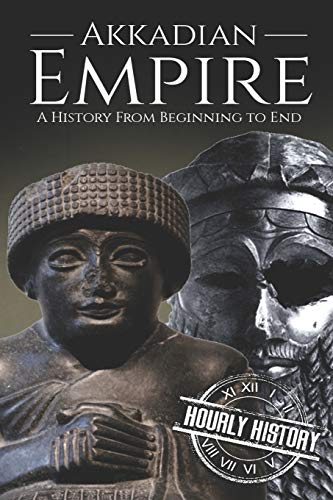
1. Akkadian Empire
The Akkadian Empire examines the state created by Sargon of Akkad in the third millennium BCE, often described as the first known empire in Mesopotamian history. It follows the conquest of Sumerian cities and the effort to govern territories linked by warfare, tribute and royal administration.…
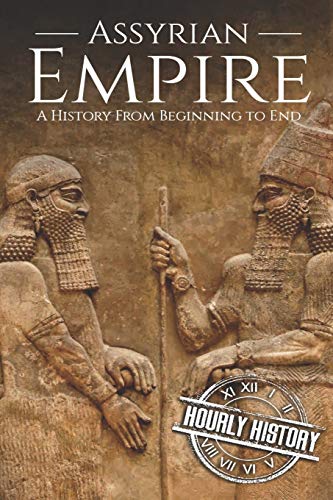
2. Assyrian Empire
The Assyrian Empire surveys the rise of the northern Mesopotamian state that dominated much of the Near East during the first millennium BCE. It follows military expansion under rulers such as Tiglath-pileser III, Sargon II, Sennacherib and Ashurbanipal. The book examines provincial administration, deportation, siege warfare,…
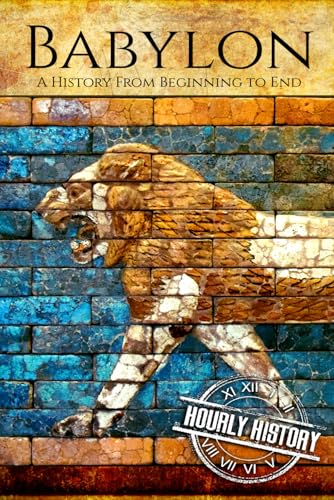
3. Babylon
Babylon traces the history of the Mesopotamian city and the kingdoms that made its name synonymous with imperial wealth and power. It follows Hammurabi and the Old Babylonian kingdom, later periods of foreign rule and the revival of Babylon under Nabopolassar and Nebuchadnezzar II. The book…
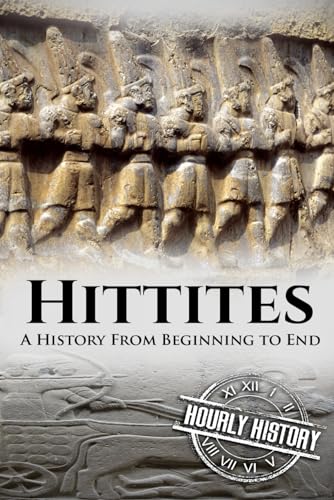
4. Hittites
The Hittites examines the Bronze Age kingdom centred in Anatolia that became a major rival of Egypt and other Near Eastern powers. It follows the growth of the state from Hattusa, its military campaigns and the dynastic politics recorded in an unusually rich archive of clay…
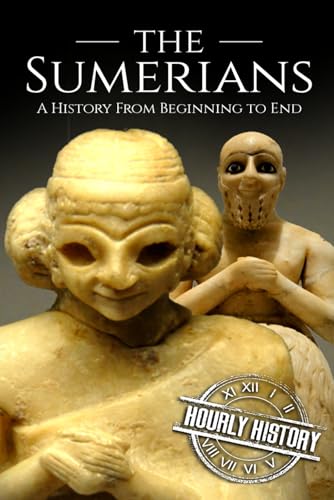
5. The Sumerians
The Sumerians introduces the city-states that developed in southern Mesopotamia during the fourth and third millennia BCE. It examines irrigation, urban growth, temples and the emergence of cuneiform writing in centres such as Uruk, Ur and Lagash. The book follows changing forms of kingship, trade, warfare…