Li Hongzhang was a Chinese statesman, general and diplomat of the late Qing dynasty who became one of the most powerful officials of the nineteenth century. He helped suppress the Taiping Rebellion, led the Huai Army, promoted arsenals, shipping and other Self-Strengthening projects, and represented the Qing government in major negotiations with foreign powers.
Li helped suppress the Taiping Rebellion, led the Huai Army and served in senior provincial and central offices. He promoted military and industrial self-strengthening, negotiated with foreign governments and represented the Qing during crises including war with Japan and the Boxer settlement.
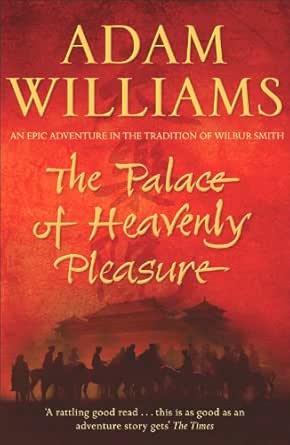
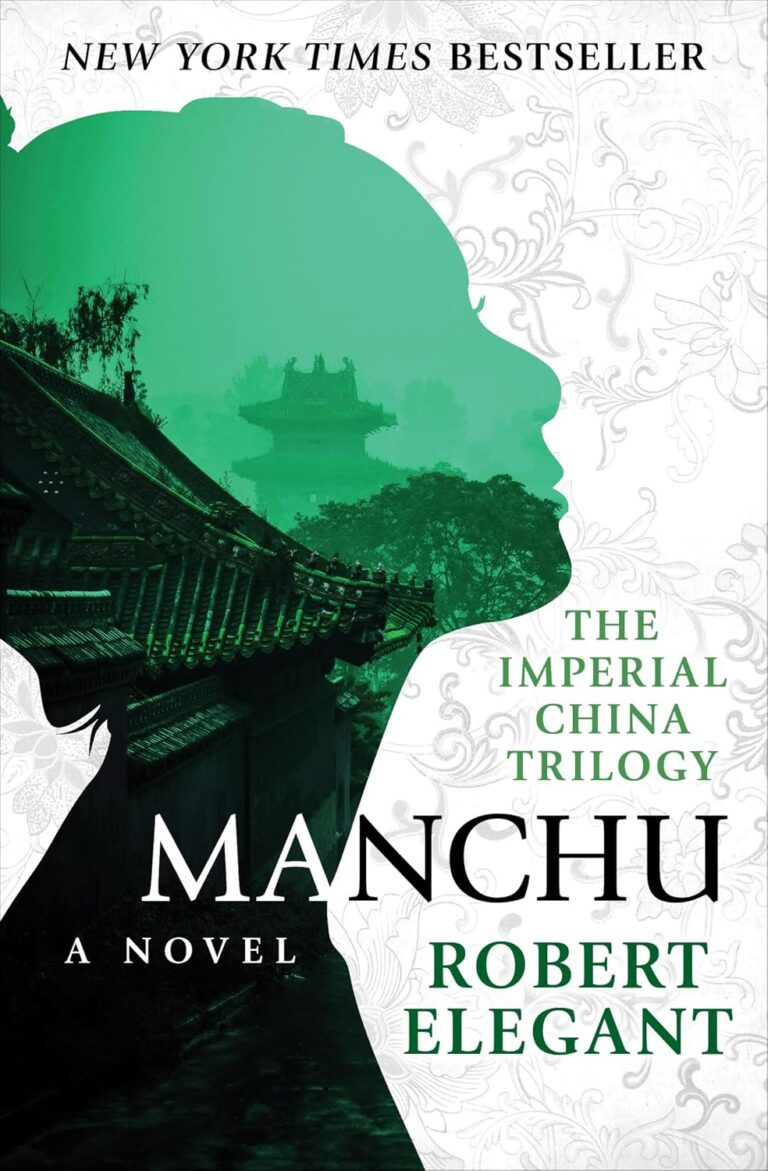
Robert Elegant’s Mandarin places Li Hongzhang within the late-Qing world of officials trying to preserve imperial authority while foreign pressure, rebellion and commercial change strain the dynasty. Adam Williams’ The Palace of Heavenly Pleasure uses the same era to bring Li into the politics surrounding foreign communities and the crisis that culminates in the Boxer uprising. Robert Bickers’ Britain and China, 1840–1970 examines Li as a major Qing statesman and negotiator in the unequal relationship created by the Opium Wars. The Boxers, China, and the World places his diplomacy within the international dimensions of the Boxer crisis, when provincial governors and foreign powers shaped the fate of the dynasty. Bickers’ The Scramble for China sets Li’s self-strengthening diplomacy, war and treaty negotiations within the accelerating foreign competition for concessions and influence in late nineteenth-century China.