c. 240–after 274
Zenobia was queen of Palmyra and the dominant political figure of a short-lived eastern empire that challenged Roman authority during the third-century crisis. She was the wife of Odaenathus, ruler of Palmyra and an important Roman ally against Persia. After his assassination around 267, Zenobia governed on behalf of her young son Vaballathus. Palmyrene forces expanded into Egypt and much of the Roman East, while royal titles and coinage increasingly expressed claims that went beyond ordinary client rule.
Emperor Aurelian moved against Palmyra in 272, defeating Zenobia’s armies at Immae and Emesa before taking the city. Zenobia was captured while attempting to escape toward the Euphrates. Roman sources agree that she was taken prisoner, but accounts of her later fate differ: the famous story that Aurelian spared her and allowed her to live near Rome may preserve a historical tradition, but her exact death date is unknown. Later literature transformed her into an emblem of learned queenship, resistance and imperial ambition.
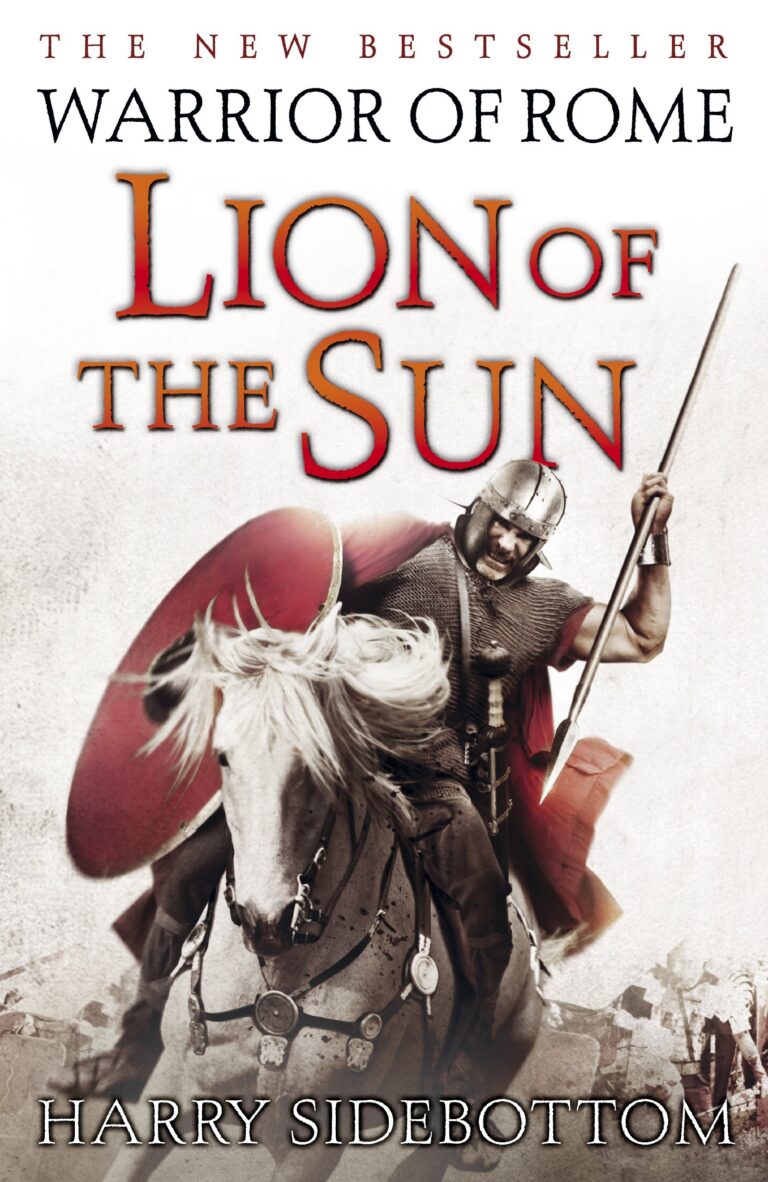
In Harry Sidebottom’s Lion of the Sun, Ballista’s search for safety and revenge unfolds alongside the creation of a new military order, with Zenobia and the Palmyrene court positioned between loyalty to Rome and their own ambitions.