William Falconer Medieval Mysteries in Order
The William Falconer mysteries follow a Regent Master at the early University of Oxford between 1261 and 1275. Falconer approaches murder through observation, logic and experiment at a time when natural philosophy, Aristotelian teaching and church authority are contested. His cases involve students, clerics, royal officials, theatrical companies,…
All books in this series
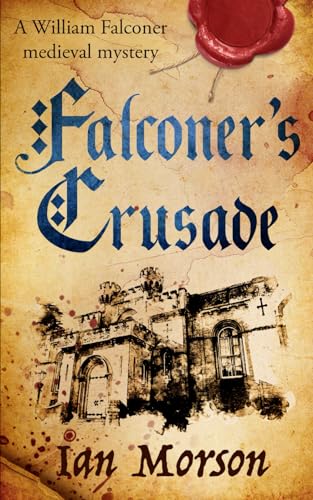
1. Falconer’s Crusade
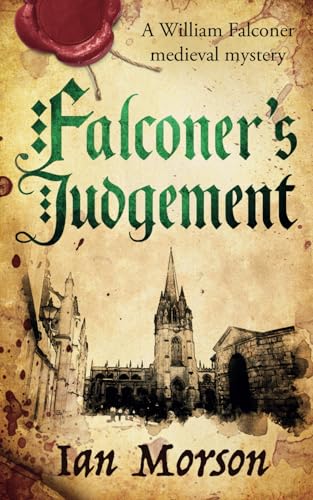
2. Falconer’s Judgement
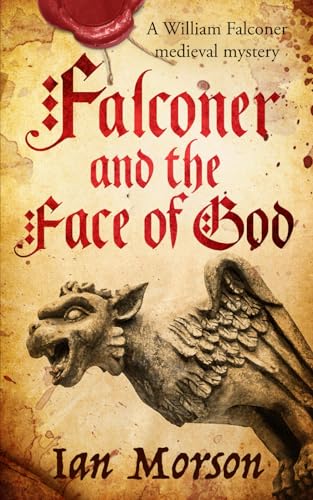
3. Falconer and the Face of God

4. A Psalm for Falconer

5. Falconer and the Great Beast
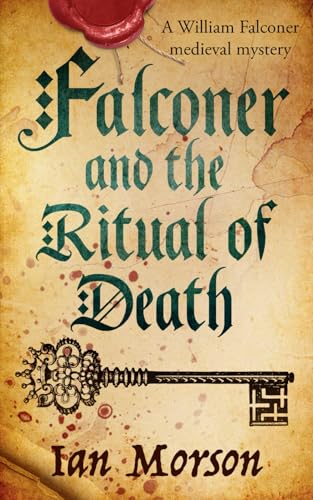
6. Falconer and the Ritual of Death

7. Falconer’s Trial
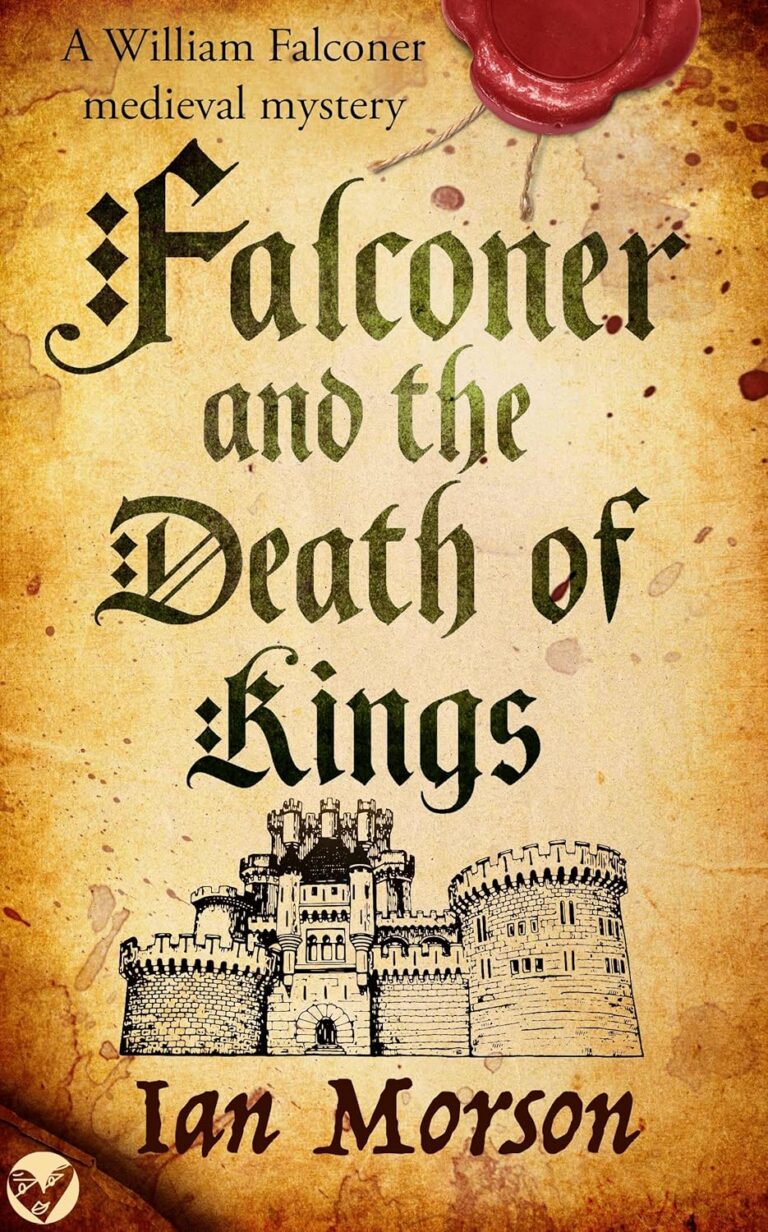
8. Falconer and the Death of Kings