Books
Period
British Cape Colony
1806–1910 CE
Britain took permanent control of the Cape Colony in 1806, securing a strategic route between the Atlantic and Indian Oceans. During the nineteenth century the colony expanded eastward and northward through migration, land seizure and repeated frontier wars. Cape Town, rural settler districts and mission communities were connected to a wider imperial economy while retaining Dutch, enslaved, Khoekhoe, San and African cultural traditions.
The abolition of slavery in the 1830s transformed labour without ending racial inequality. The Great Trek, conflicts with Xhosa polities, mineral discoveries and debates over representative government altered the colony’s political geography. Law, property and mobility remained sharply unequal, and the colonial frontier exposed families to violence, displacement and contested identities.
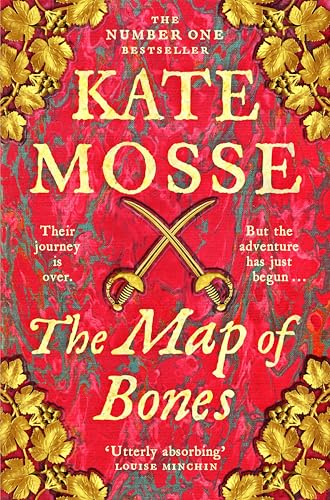
The 1862 strand of Kate Mosse’s The Map of Bones follows Isabelle Joubert Lepard to Franschhoek as she investigates the silenced women of her family. The setting connects genealogical mystery with the colonial archive and with the question of whose lives were preserved, omitted or deliberately buried.