J. P. Morgan was an American financier who organised major corporations and exercised exceptional influence over banking and industry during the Gilded Age. His firm helped consolidate railroads, create United States Steel and stabilise markets during financial crises.
Morgan’s power made him both a symbol of modern corporate organisation and a target of criticism over concentrated private control. He was also a major collector and patron whose holdings contributed to museums and libraries. Morgan comes from the connection between this individual life and the larger political, social or cultural changes of the period, rather than from the headline episode alone.
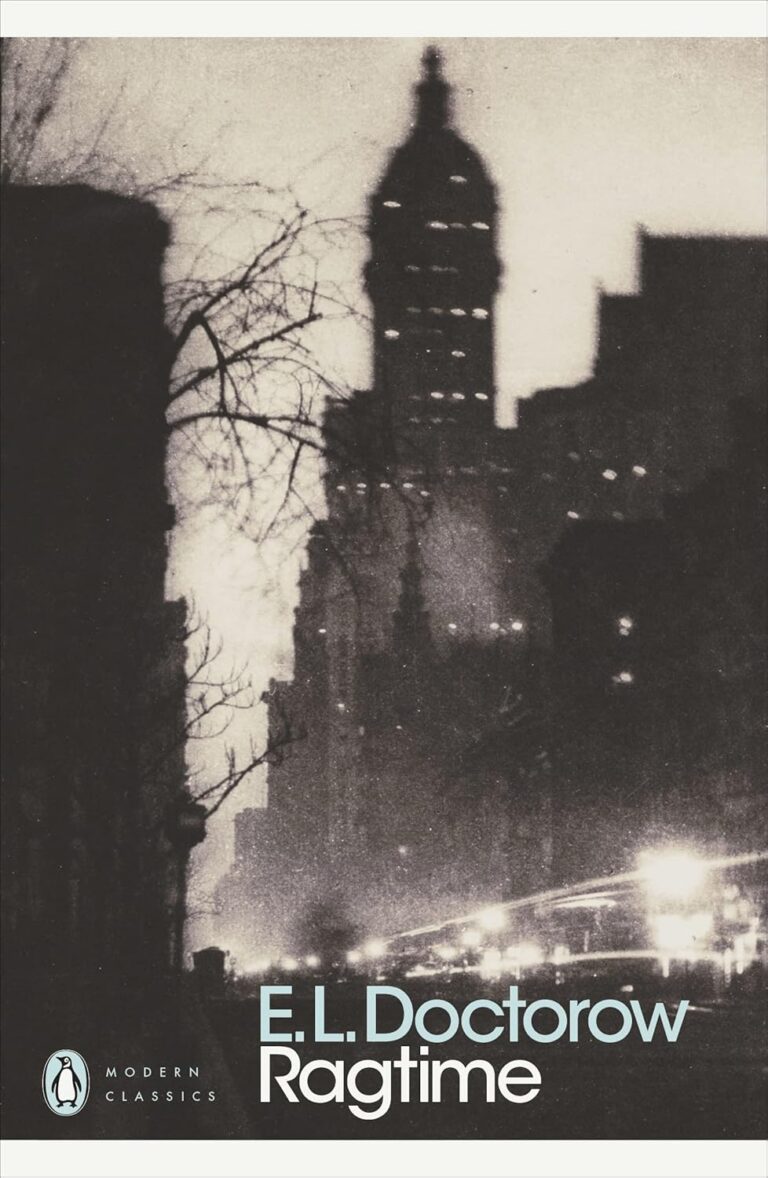
In E. L. Doctorow’s Ragtime, Historical figures including Harry Houdini, Emma Goldman, Henry Ford, J. P. Morgan and Evelyn Nesbit move through the fictional story. Tateh’s reinvention in the emerging film industry contrasts with Coalhouse’s increasingly desperate demand for justice after racist humiliation and official indifference. In Edward Marston’s Murder on the Oceanic, But it must make one very important stop first: at Cherbourg, France to pick up internationally renowned financier and art collector J. Morgan, fresh from a continental buying spree.