Henry Ford (1863–1947) was an American engineer, industrialist and founder of the Ford Motor Company. Fascinated by machinery from an early age, he built his first experimental automobile during the 1890s and helped establish the Ford Motor Company in 1903. The introduction of the Model T in 1908 brought relatively simple, durable and affordable motoring to a mass market. Ford’s adoption of the moving assembly line at the Highland Park plant dramatically increased production and reduced manufacturing costs, influencing industrial methods far beyond the motor industry. His achievements transformed transport, factory work and everyday American life, although his legacy is complicated by his paternalistic control of employees, virulent antisemitism and political controversies.
Ford transformed automobile manufacturing through large-scale production methods, standardisation and the moving assembly line, making the Model T affordable to a mass market. He also introduced the famous five-dollar day, partly to reduce labour turnover, while vigorously opposing union organisation for many years. His legacy is further complicated by his publication and promotion of antisemitic material through the Dearborn Independent.
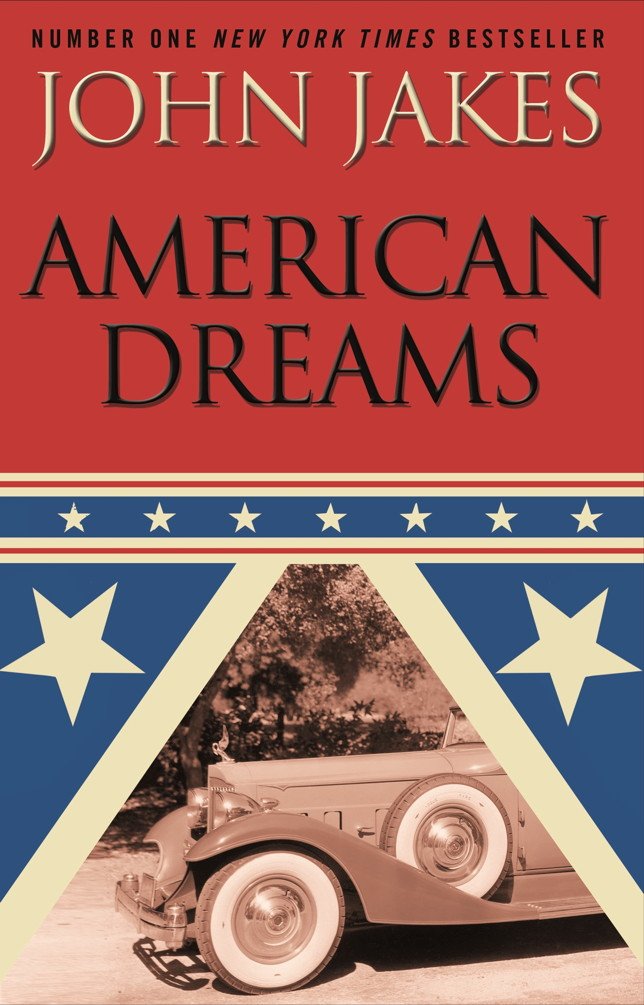
E. L. Doctorow’s Ragtime brings Henry Ford into its collage of famous Americans, using his mass-production methods and industrial confidence as one expression of the technological and social upheaval surrounding the fictional families. John Jakes’ American Dreams moves into the same early twentieth-century world of automobiles, mass business and celebrity, with Ford appearing as one of the industrial figures whose new scale of production helps define the age through which the Crown family advances.