Deng Xiaoping was a Chinese Communist revolutionary and the dominant political figure behind China’s reform era after Mao Zedong. From the late 1970s he promoted market-oriented economic changes, greater international engagement and a pragmatic approach to development.
Deng did not always hold the highest formal state office, but he exercised decisive influence over policy and leadership succession. His legacy combines rapid economic transformation with continued one-party rule and responsibility for the violent suppression of the 1989 protest movement.
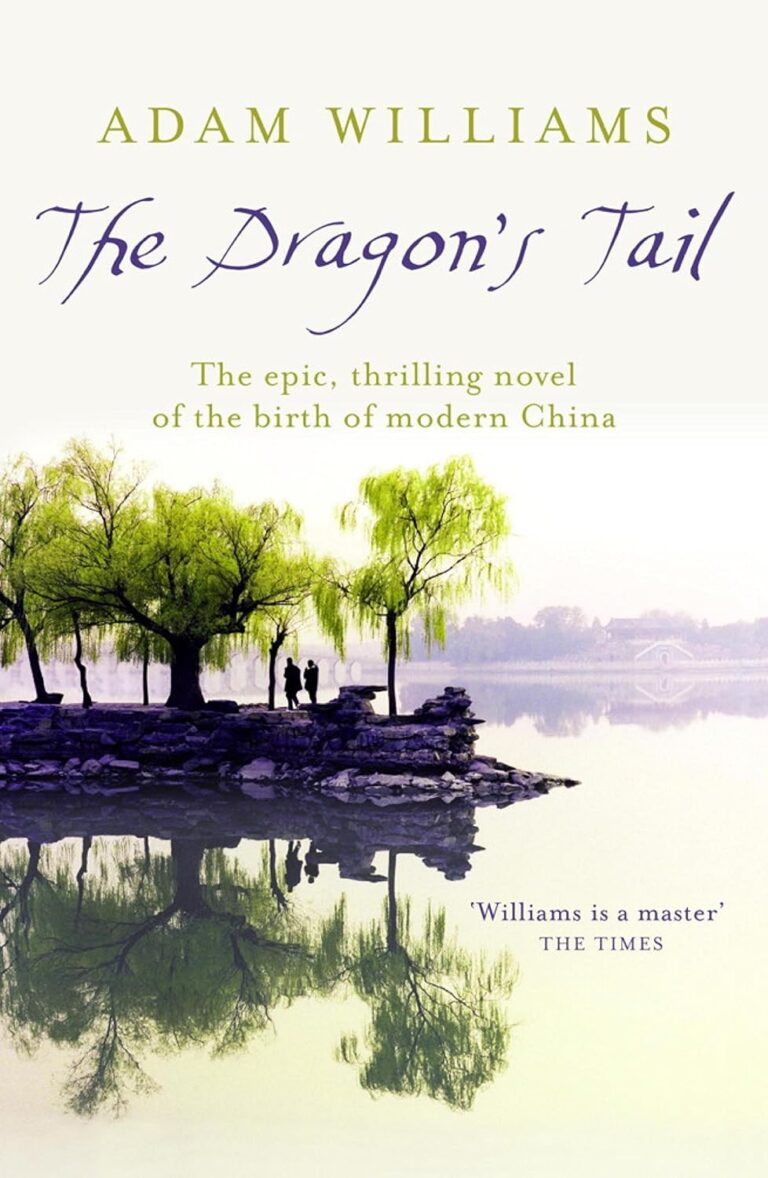
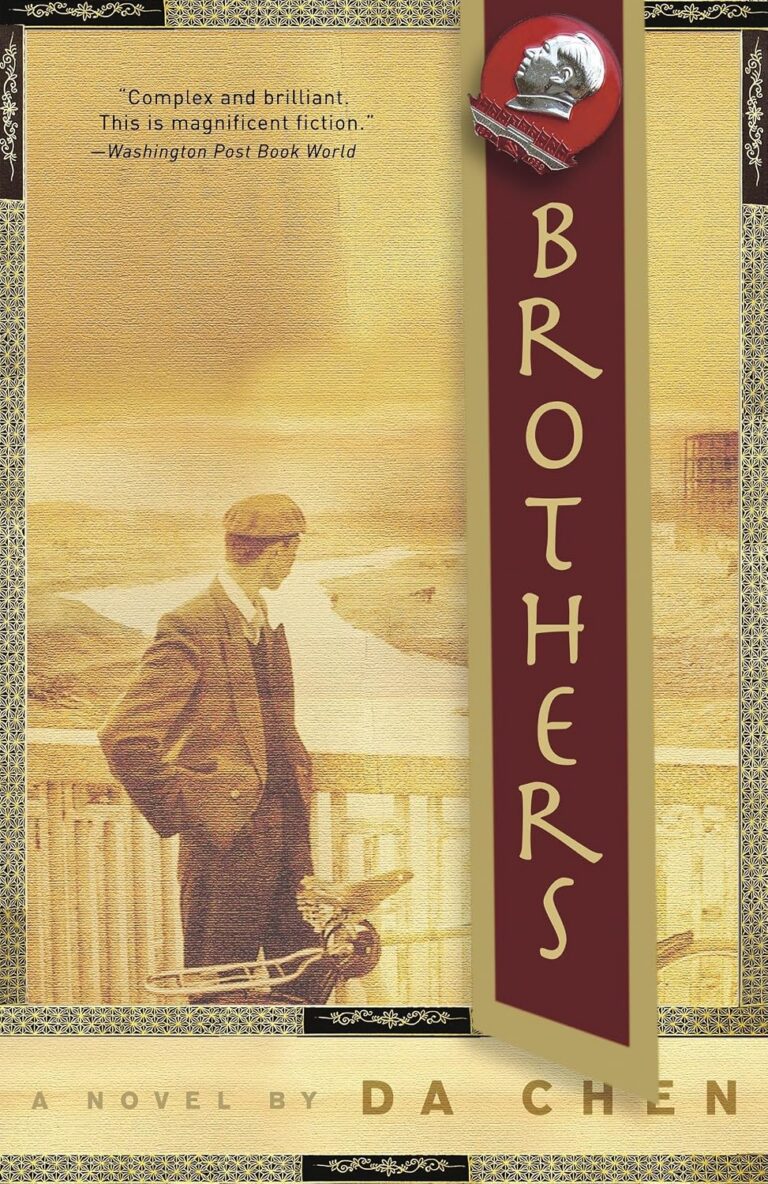
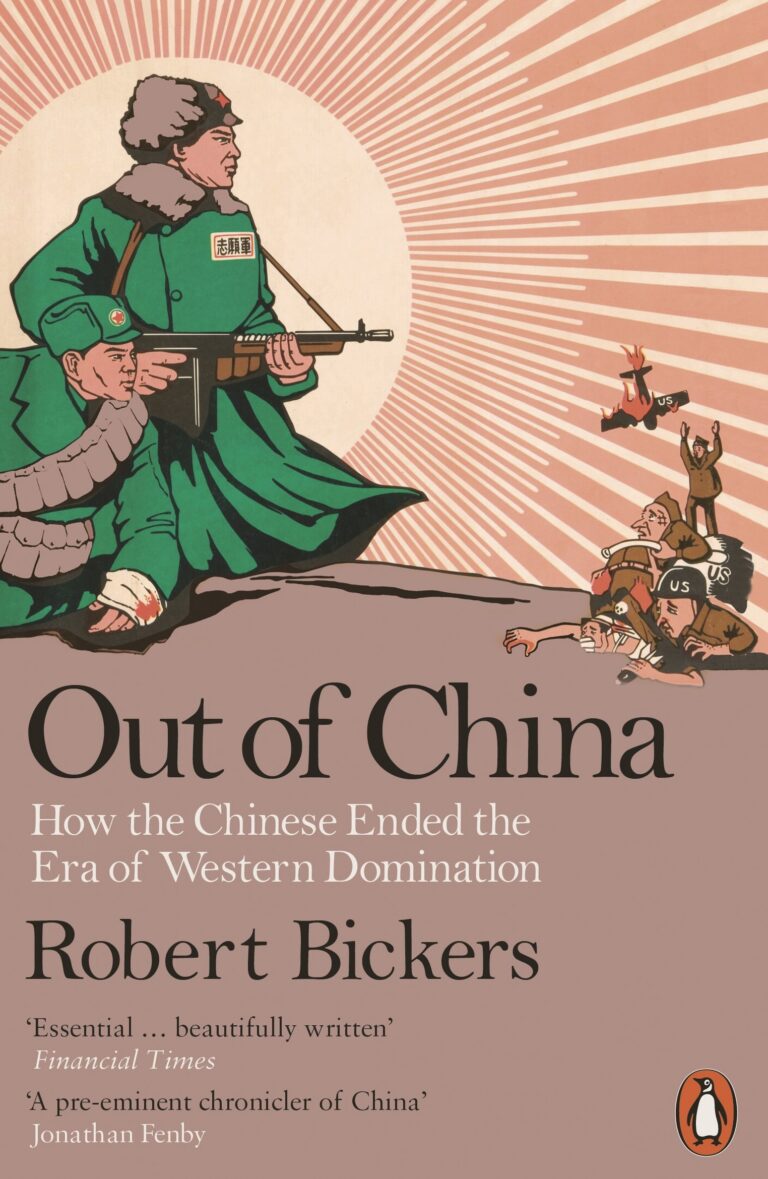
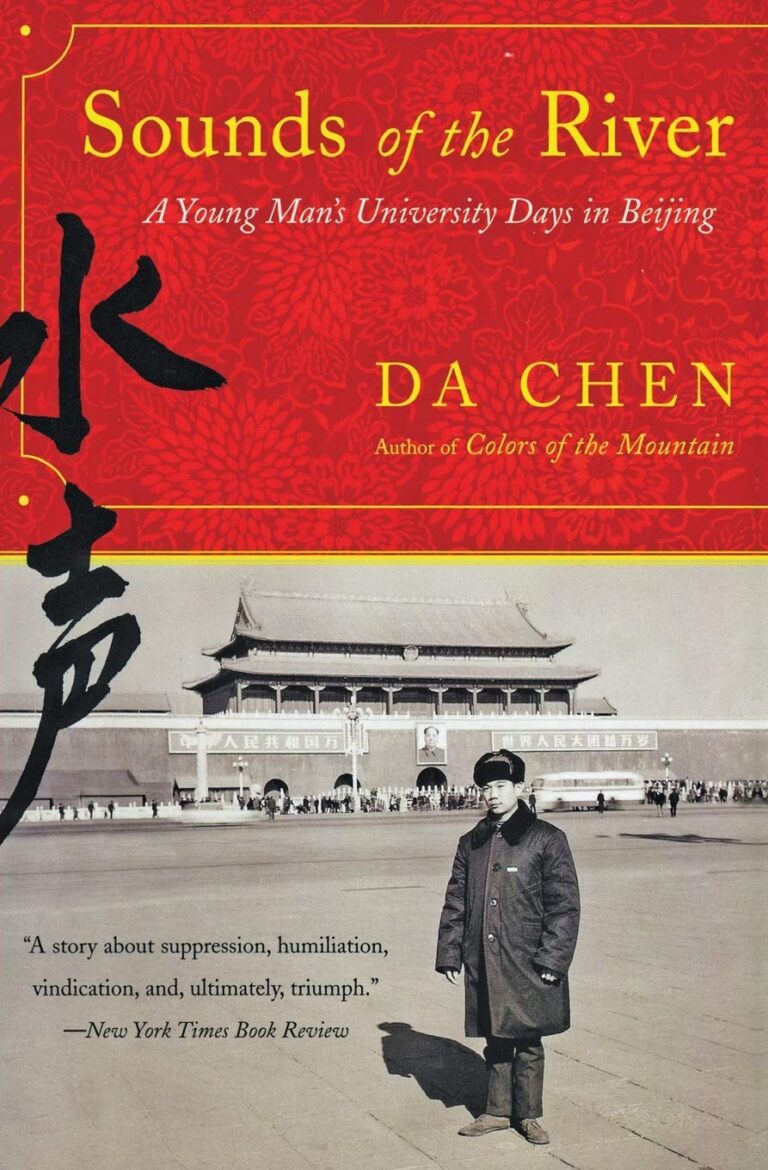
Da Chen’s Brothers moves from the Cultural Revolution into the post-Mao decades, using the diverging fortunes of two half-brothers to dramatise the new routes to military, political and commercial power opened during Deng Xiaoping’s reform era. Adam Williams’s The Dragon’s Tail stretches from Maoist campaigns to the violence of June 1989, making the state transformed under Deng the later arena for its espionage story. Robert Bickers’s China Bound follows foreign business through the Communist victory and the reopening of China to international commerce, the economic turn with which Deng became identified. Jung Chang’s Fly, Wild Swans: My Mother, Myself and China contrasts the upheavals of Mao’s rule with the greater mobility and economic expansion of the reform-and-opening period. Bickers’s Out of China traces the destruction of the treaty-port order and the recovery of Chinese sovereignty, providing the longer historical background to the nationalism and modernisation Deng inherited.