Ernest Hemingway (1899–1961) was an American novelist, short-story writer and journalist whose economical prose and restrained treatment of emotion exerted a major influence on twentieth-century writing. Born in Oak Park, Illinois, he worked briefly as a newspaper reporter before serving as a Red Cross ambulance driver in Italy during the First World War, where he was seriously wounded. His experiences of war, expatriate life, hunting, fishing and journalism shaped works including The Sun Also Rises, A Farewell to Arms, For Whom the Bell Tolls and The Old Man and the Sea. The last of these received the Pulitzer Prize, and Hemingway was awarded the Nobel Prize in Literature in 1954 for his narrative technique and influence on modern prose.
War and its psychological consequences recur throughout Hemingway’s fiction. A Farewell to Arms follows an American ambulance officer on the Italian Front during the First World War, while For Whom the Bell Tolls concerns an American volunteer fighting with Republican guerrillas during the Spanish Civil War. The Sun Also Rises portrays the postwar “Lost Generation” in France and Spain, and Across the River and into the Trees centres on an ageing American officer living with memories of both world wars. These books now provide vivid portrayals of twentieth-century history, although most are not historical novels in the strict sense because Hemingway wrote about events he had personally witnessed or that had occurred only shortly before publication.



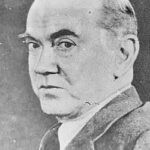 Graham Greene
17 books
Graham Greene
17 books
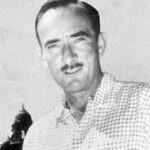 John Masters
12 books
John Masters
12 books
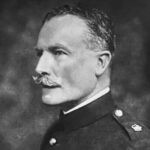 P. C. Wren
26 books
P. C. Wren
26 books
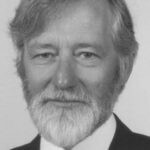 Richard Woodman
37 books
Richard Woodman
37 books