Books
Phase
Thames Frost Fairs of 1789 and 1814
1789 and 1814 CE
Severe winters could freeze the tidal Thames in early modern and Georgian London. The colder climate of the Little Ice Age, the river’s shallower course and the closely spaced piers of old London Bridge slowed the water and allowed ice to form above the bridge. When navigation stopped, traders and watermen converted the frozen surface into a temporary street and fairground.
The fairs offered food, drink, skating, games, shows and souvenir printing. The winter of 1813–1814 produced the last major Frost Fair, after which the replacement of old London Bridge, dredging and embankment works made the river deeper and faster-flowing. The contrast between festival and physical danger made the frozen Thames both a commercial opportunity and a reminder of the city’s dependence on weather.
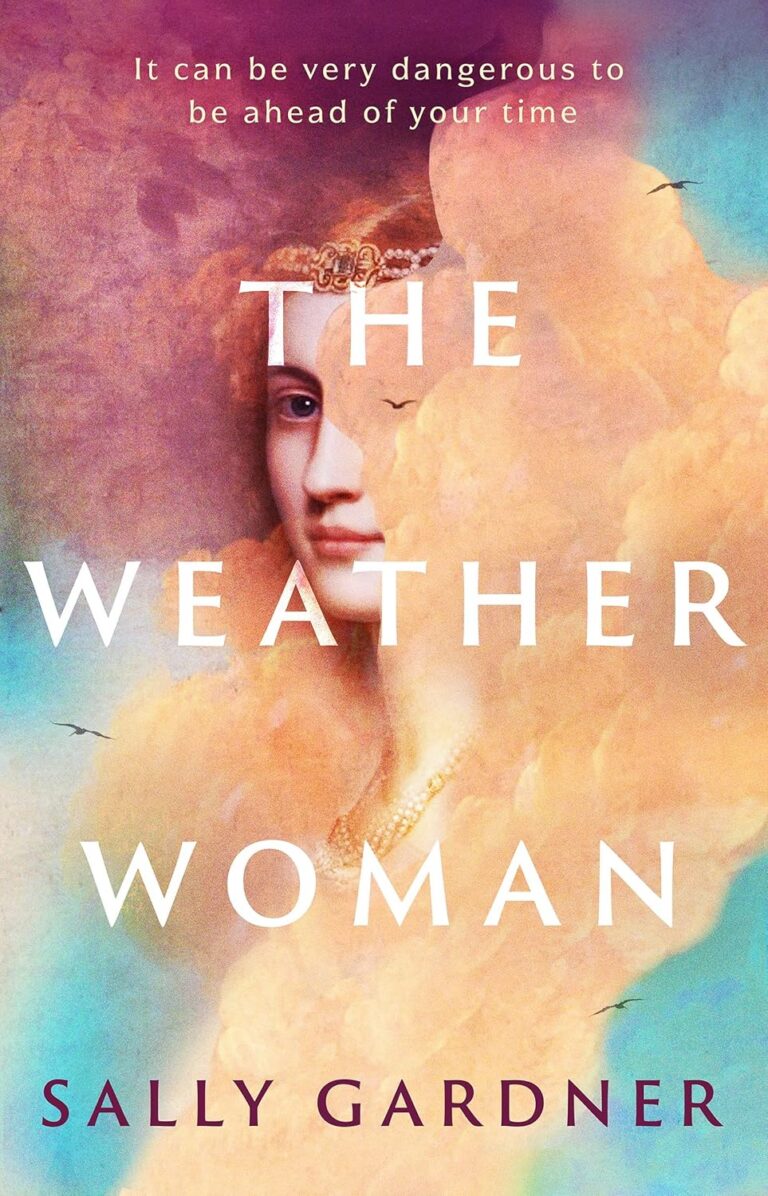
The Weather Woman is framed by the Frost Fairs of 1789 and 1814. Neva’s childhood loss on the ice and her later career as a forecaster connect popular entertainment, mechanical spectacle and emerging meteorological observation to the social restrictions placed on a woman who claims scientific authority.