Books
Phase
Rangaku and Dutch Learning in Tokugawa Japan
c. 1720–1859 CE
Rangaku, usually translated as Dutch studies, developed after Tokugawa Yoshimune relaxed restrictions on non-Christian Western books in 1720. Japanese scholars learned through imported texts, Nagasaki interpreters and the physicians attached to the Dutch factory, gradually creating specialist vocabularies for medicine, astronomy, botany, geography and other fields.
A landmark was Kaitai Shinsho, the 1774 Japanese translation of a Dutch anatomy book produced through the work of Maeno Ryōtaku, Sugita Genpaku and their collaborators. The difficulty of matching European anatomical terms to Japanese concepts made translation itself a form of investigation, and schools of Dutch learning later spread beyond Nagasaki and Edo.
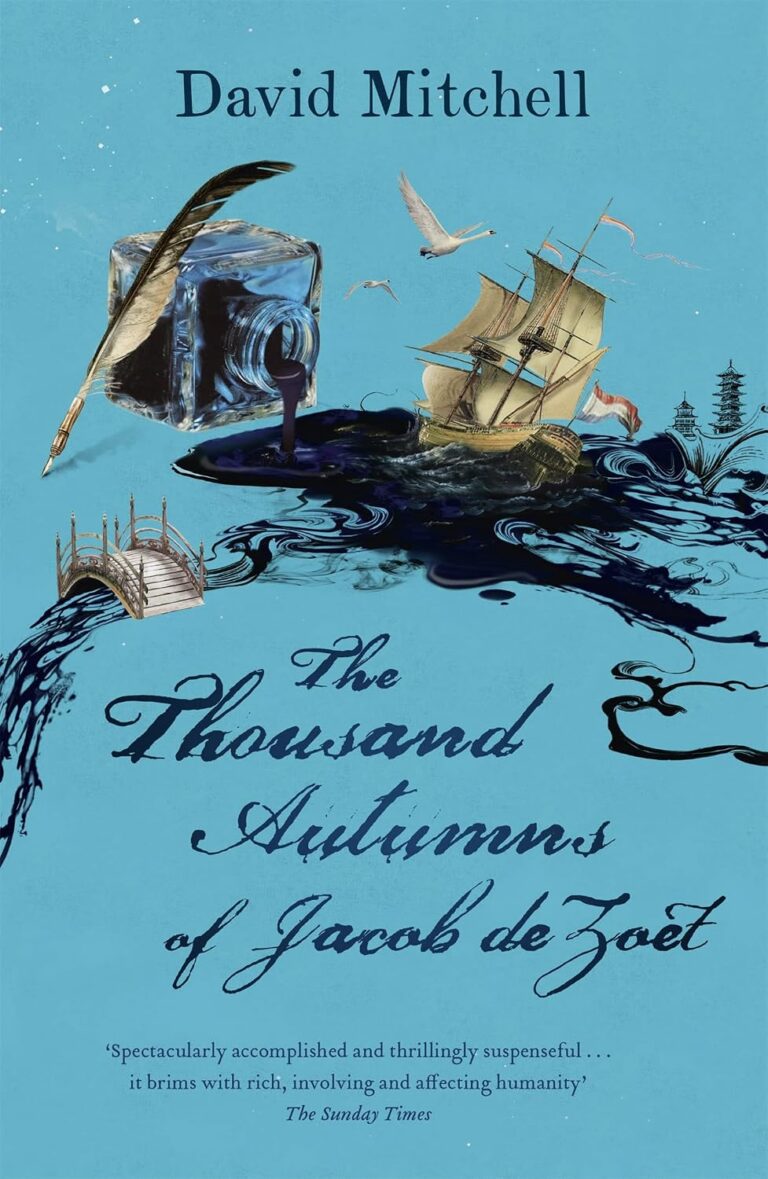
The Thousand Autumns of Jacob de Zoet makes medical translation central to the relationship between Dejima and Nagasaki. Orito’s work as a midwife and student of Dutch medicine, together with appearances by Maeno and Sugita, places the fictional plot within the historical movement by which controlled foreign contact generated new scientific communities.